


Transmission oil change cost depends on the service type, car, and location. A basic drain and fill is cheaper, while a transmission flush with a machine-assisted flush costs more because it cleans the full transmission system.
The cost range changes with vehicle make, vehicle model, and whether you have luxury vehicles or European models with specialized transmissions. Labor cost is higher at dealerships than at independent shops. Extra parts costs, like filter replacement and gasket replacement, can also increase the transmission service cost.
A DIY fluid change has a lower DIY cost, but you must follow the owner’s manual and use the correct fluid to avoid transmission damage.
Real-life example: My friend chose a drain and fill at a local shop, so his fluid change cost was low. Another person with a luxury car went for a transmission flush at a dealership, and the flush cost was much higher due to repair cost factors and service pricing.
In short, the change oil transmission cost variation depends on your car and service choice, and regular automotive maintenance helps avoid bigger expenses.
What Is A Transmission Fluid?
Transmission fluid is a special lubricant used in automobiles to protect the vehicle transmission system. It helps the transmission gears and clutch packs move easily for smooth shifting. It also gives heat protection by working like a cooling system, moving heat away through heat transfer. This keeps all internal components safe and reduces damage. You should always check the fluid level to avoid problems.
Types Of Transmission Fluids
There are different types of transmission fluid based on the transmission type:
- Automatic transmission uses ATF like Dexron or Mercon
- Manual transmission uses thicker fluid (fluid thickness matters)
- Continuously variable transmission (CVT) needs special CVT fluid
- An automated manual transmission also uses specific fluids
- Multi-vehicle synthetic fluid works in many cars
- Type F fluid is used in some older systems
Using the right type improves fuel economy and overall performance.
Choosing The Right Transmission Fluid
Choosing the correct fluid is very important for vehicle compatibility and transmission protection.
- Always check your owner’s manual for fluid recommendations
- Pick a fluid based on your transmission type
- Think about climate conditions (cold climate or warm climate)
- Choose high fluid quality from trusted automotive products
- You can also ask for mechanic recommendations or visit an automotive supply store
How Does Transmission Fluid Work?
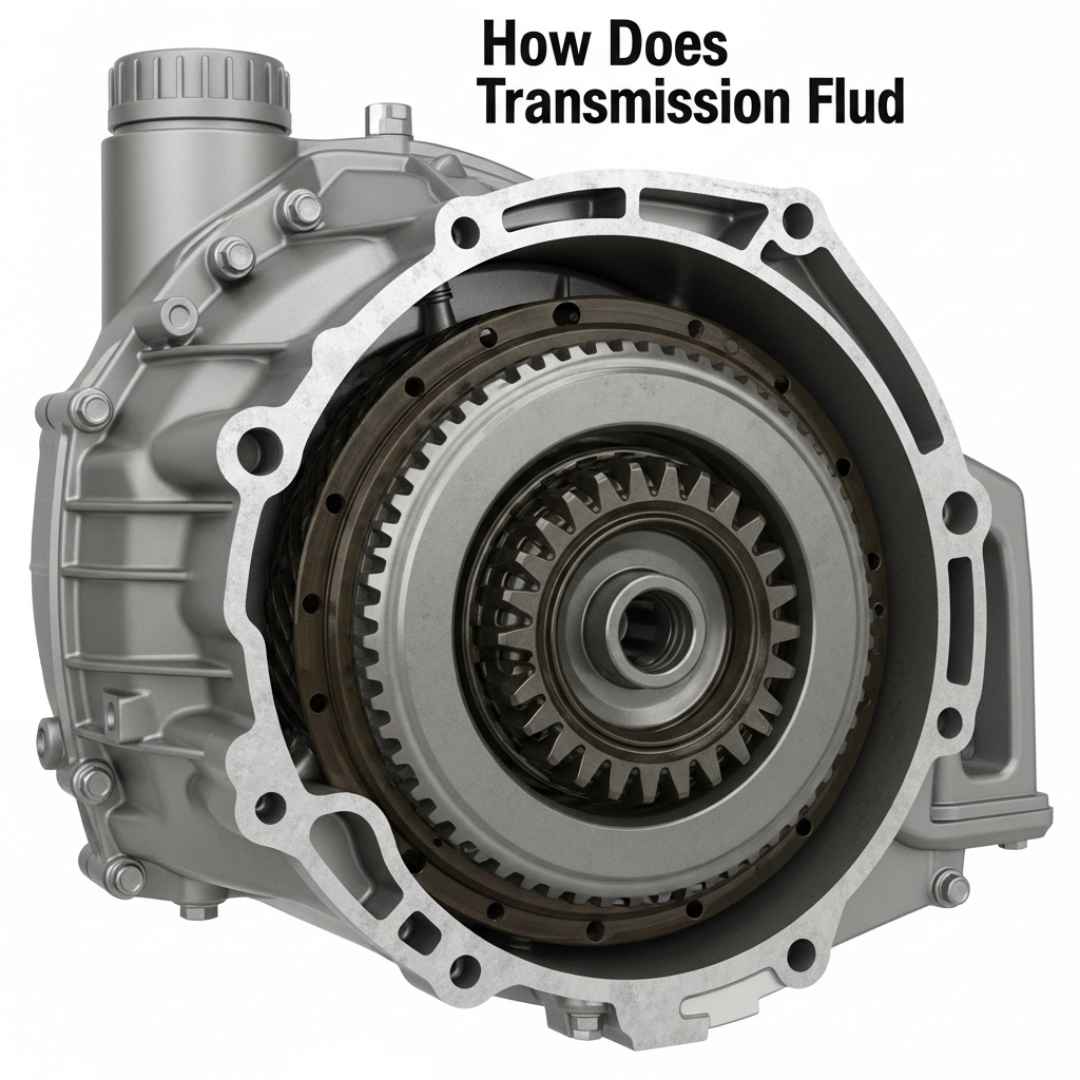
Transmission fluid helps in the lubrication process of the gear operation and shifting components. It reduces friction (friction reduction) and protects parts from wear and tear.
Over time, due to high pressure, heat, and usage, the fluid faces fluid degradation and fluid breakdown. When this happens, it cannot protect parts properly, and regular maintenance, such as a fluid change, is needed.
Real-Life Experience:
One customer came to Shahsspaandtirelube in Bolton, Ontario, Canada. His car had rough shifting because he had ignored his transmission fluid for a long time. The fluid was dirty and damaged. After we replaced it with the correct fluid, his car started shifting smoothly again. This shows how important proper transmission care is.
👉 Don’t wait for damage. Keep your car running smoothly and safely.
📞 Book now at Shahs Spa and Tirelube: +1 (905) 805-1414
Transmission Fluid Change
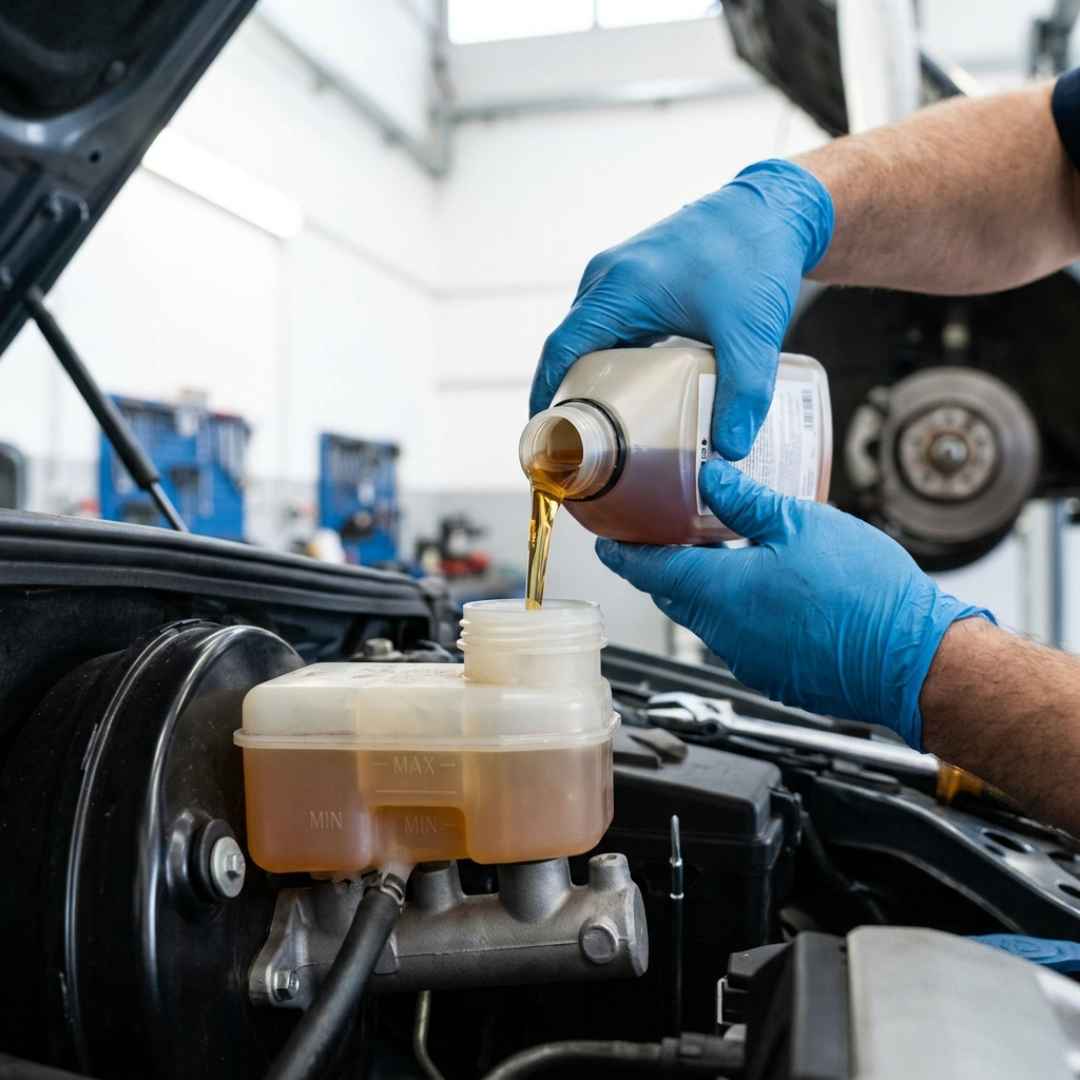
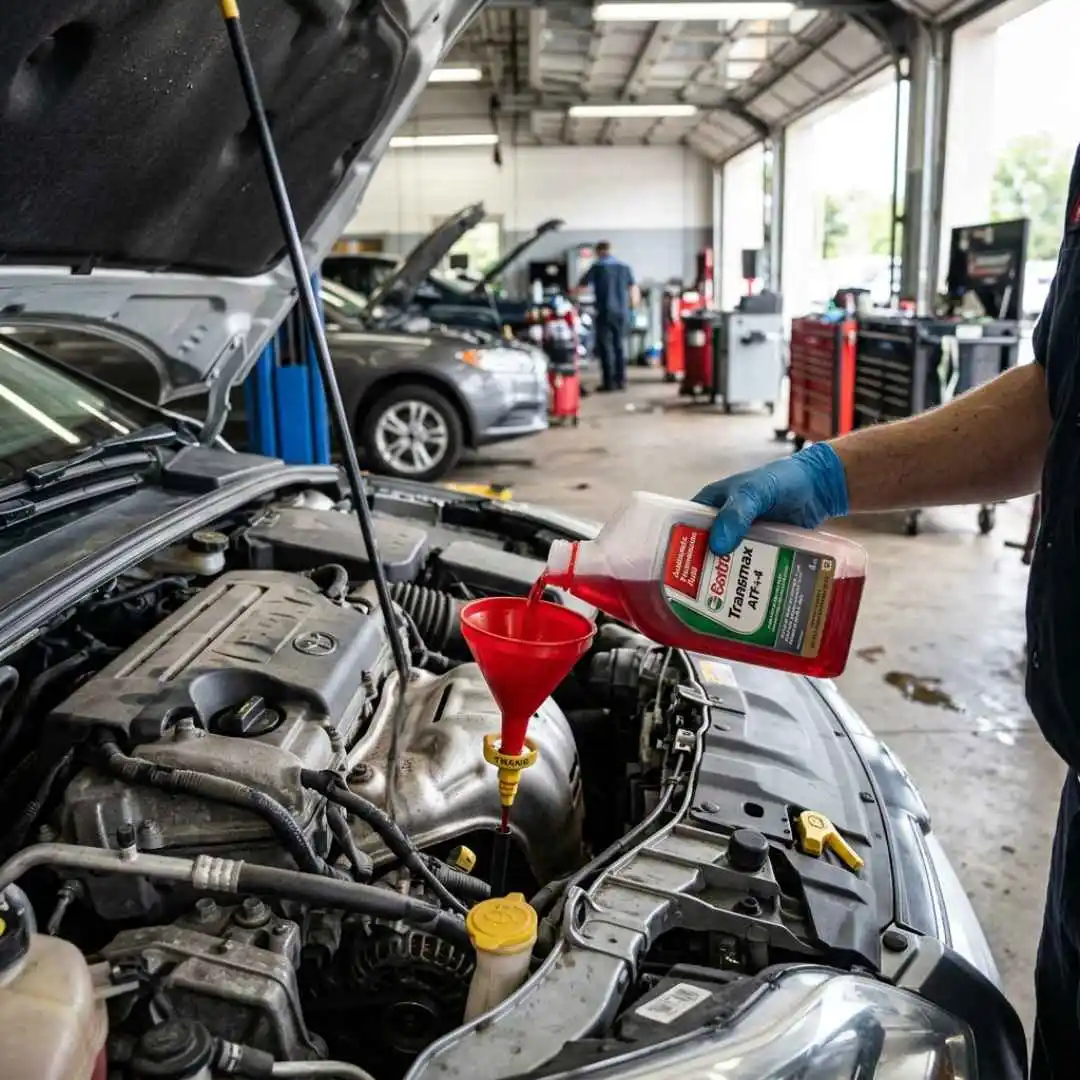
A transmission fluid change is a basic maintenance service that keeps your car running smoothly. It involves removing old fluid and adding new fluid to protect the internal parts of the transmission. This helps prevent wear, overheating, and shifting problems.
How Are Transmission Fluid Issues Diagnosed?
Most of the time, transmission fluid issues are not formally diagnosed during a routine service. They are usually found during regular maintenance or when another repair is being done. If needed, the mechanic may check the fluid condition or replace it as part of the inspection.
How Is Transmission Fluid Replaced?
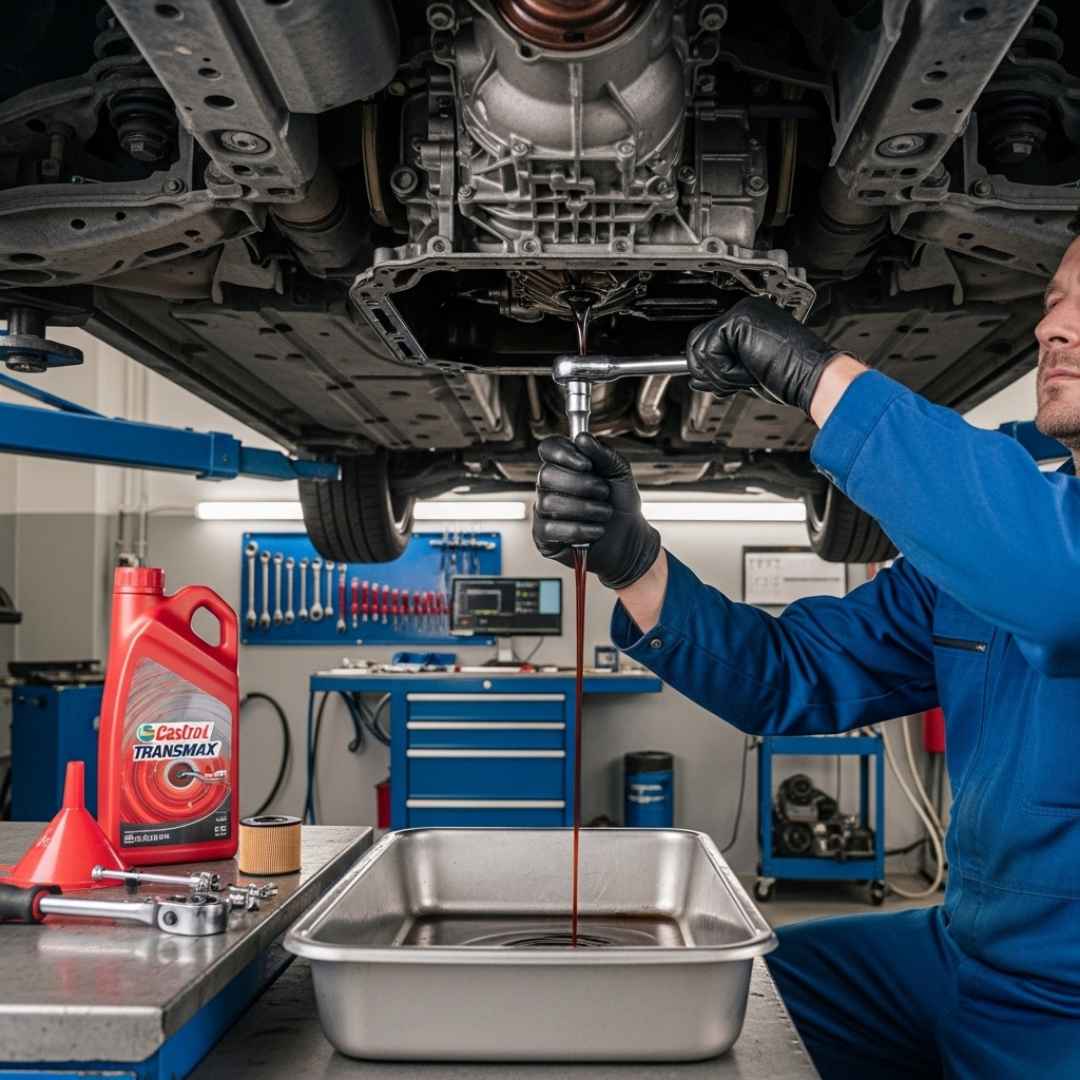
To replace transmission fluid, the transmission oil pan is removed. Old fluid is drained out, and the filter is replaced. The pan gasket is also changed to prevent leaks. After everything is cleaned and fixed, fresh fluid is added to complete the service.
What To Look Out For When Dealing With Transmission Fluid Issues
Always use high-quality filters and the correct fluid type from your owner’s manual. Wrong or low-quality parts can damage the transmission. Make sure there are no leaks and that all parts are installed properly to avoid future problems.
Can I Replace The Transmission Fluid Myself?
Yes, a do-it-yourselfer can change transmission fluid, but it requires the right tools and knowledge. Some vehicles are harder to work on, especially European models. Mistakes like over-tightening bolts or using the wrong fluid can cause serious damage, so professional help is often safer.
What a Transmission Fluid Change Includes
A transmission fluid change is a simple transmission service done at a Preferred Shop or by a DIYer using a vehicle hoist and basic specialty equipment.
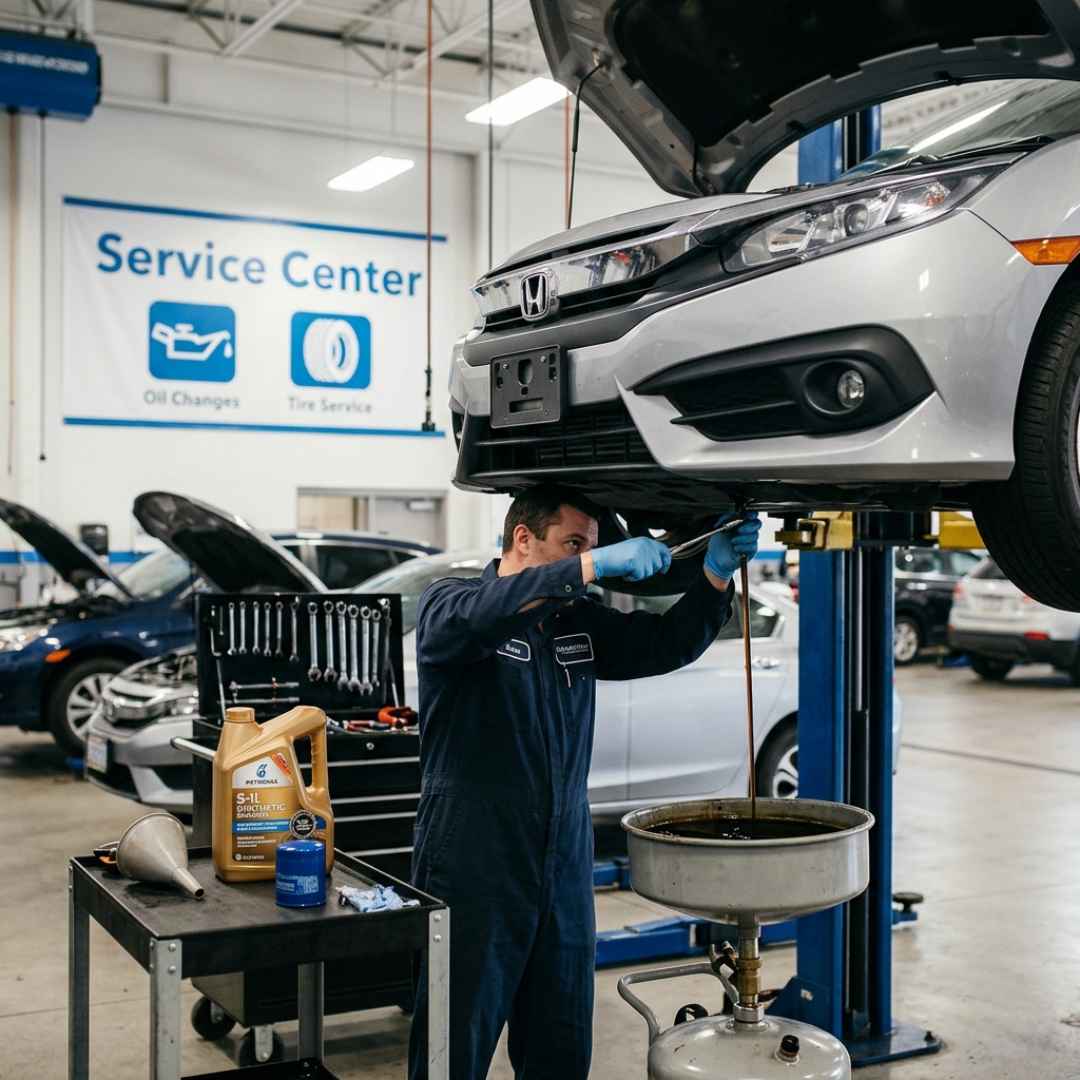
First, the mechanic removes the transmission oil pan and places a drain pan to collect the old fluid (fluid removal / old fluid removal). The gasket removal is done, and any old silicone sealant is cleaned from the mounting surfaces using brake cleaner and lint-free shop towels.
Next, the transmission filter is taken out for filter inspection. The mechanic checks for metal shavings, large particles, and steel particles using the oil pan magnet. This contamination check helps protect the transmission system and its internal components.
After cleaning, a new filter installation is done, followed by gasket installation or sealant application. Then the pan reinstallation is completed.
Finally, fresh fluid is added through the dipstick or fill hole. The correct fluid level is checked according to the owner’s manual. This full maintenance procedure improves transmission performance, reduces friction, and ensures transmission protection by preventing overheating and wear.
Transmission Fluid Change Cost Estimates / Transmission Fluid Replacement Cost
The transmission fluid change cost estimate depends on vehicle make, vehicle location, and service pricing. On average, the cost includes:[How much does a transmission oil change cost]
- Labor cost (work done by professionals)
- Parts cost (new fluid, filter, gasket)
- Possible taxes and fees
- Type of transmission system (sealed transmission, CVT transmission, pan drop service, etc.)
Different vehicles like the Toyota Corolla, Subaru vehicle / Subaru CVT, Ford Mercon LV systems, or Nissan transmission setups can have different pricing because of fluid type and complexity.
A small sedan with a normal drain and fill service is cheaper, while a full transmission flushing or sealed system work costs more. High-mileage cars may need extra inspection due to fluid breakdown, affecting transmission lifespan.
Dealers may give a maintenance recommendation for scheduled maintenance, while a service advisor may suggest replacement even during the normal maintenance schedule.
What is the cost of replacing transmission fluid?
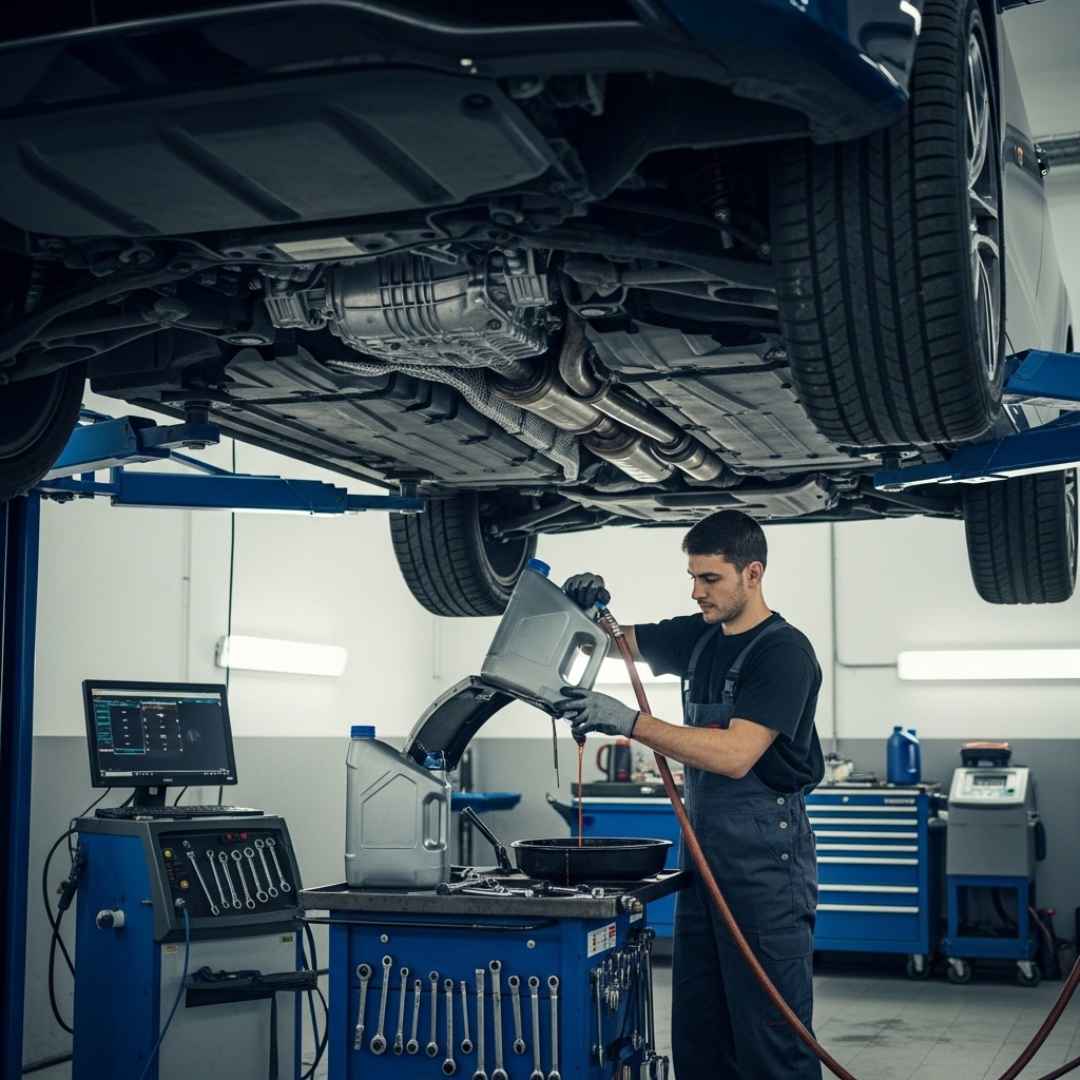
The transmission fluid replacement cost usually depends on the variation and the necessity of transmission service.
Most customers pay a range that includes normal maintenance or preventive maintenance. Costs change based on service interval, driving performance, and whether the job is simple or includes a deeper inspection of the gearbox system and internal components.
There is often a change oil transmission cost discussion between customers and workshops, as seen in many Reddit discussion threads. Some users say dealerships are expensive, while others prefer professional work for better transmission health and long-term wear prevention.
Real-Life Experience
We checked the transmission inspection, replaced the filter, used OEM fluid, and completed the fluid refill properly. After the service, the car’s driving performance improved, and overheating stopped.
Regular automotive repair and timely fluid changes help protect your transmission and avoid expensive repairs.
👉 Book now at Shahs Spa and Tirelube
📞 +1 (905) 805-1414
4 Factors That Can Affect Transmission Fluid Change Cost
[How much does it cost to change transmission oil?]The transmission fluid change cost can vary a lot, usually in a cost range depending on different situations.
- Where do you get the service?
A DIY job is cheaper, but if you go to an independent shop, dealership, or a quick lube like Jiffy Lube, you will pay labor costs for a professional service. - Vehicle type and model
The make and model of your car and vehicle type affect the price. Some cars need special ATF (automatic transmission fluid) for the transmission system, which increases cost. - Fluid amount and parts needed
The fluid capacity and ATF volume also matter. If you replace the transmission filter and pan gasket, or other replacement parts, the service pricing becomes higher. - Service complexity
A simple maintenance procedure is cheaper than complex work that involves transmission flush, fluid exchange, or deeper transmission servicing.
Transmission Flush vs Change: What is the Difference?
A flush vs change is mainly about how much old fluid is removed and how deeply the system is cleaned.
- A transmission fluid change uses a drain process or gravity drainage. Only part of the old ATF (automatic transmission fluid) is removed and replaced with new fluid (fluid refill / partial fluid removal). It is a basic routine maintenance step.
- A transmission flush uses a flush machine and professional-grade equipment. It removes almost all old fluid (full fluid removal) from the transmission system, including the torque converter and cooler lines. It helps remove grime and contaminants, improving transmission protection, lubrication, cooling efficiency, and friction reduction.
In simple words:
- Change = cheaper, partial cleaning
- Flush = expensive, full deep cleaning
TRANSMISSION FLUSH VS. EXCHANGE: AT A GLANCE
Transmission Flush:
- Uses professional-grade equipment/flush machine
- Removes all ATF (automatic transmission fluid)
- Cleans the cooler lines and the torque converter
- Removes grime and contaminants
- Done by a trained professional
- Better for deep transmission health and performance
Transmission Fluid Exchange:
- Uses gravity drainage
- Only drains fluid from the pan (partial fluid removal)
- Does not fully clean contaminants
- Simpler DIY service option
- Lower cost but less complete cleaning
Both are transmission service types, but the level of cleaning and service complexity is different.
Real-Life Experience
A customer visited Shahsspaandtirelube in Bolton, Ontario, Canada with a Toyota Corolla (vehicle make/model). The shop explained that a full flush was not needed for normal maintenance, so they recommended a simple transmission fluid change instead.
The car only needed a small amount of OEM specification ATF, and the job was done quickly with low repair cost. The customer noticed better driving performance and smoother shifting after service.
Regular automotive maintenance, correct fluid requirements, and proper service intervals help protect your transmission system and avoid costly repairs.
👉 Book now at Shahs Spa and Tirelube
📍 Bolton, Ontario, Canada
📞 +1 (905) 805-1414
Transmission Fluid Exchange: A Closer Look
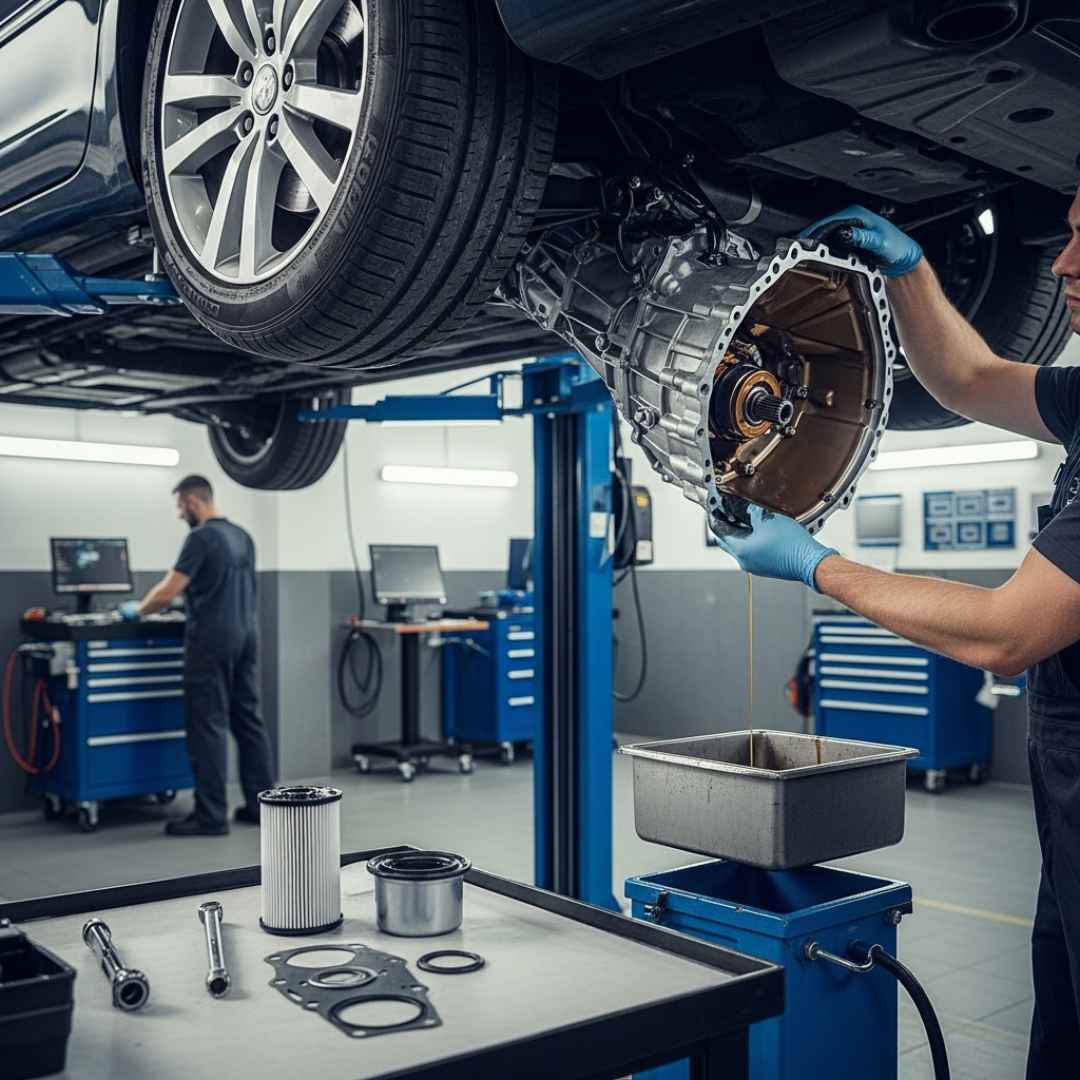
A transmission fluid exchange is a type of maintenance service where old ATF (automatic transmission fluid) is removed and replaced to protect the transmission system. It is different from a full transmission flush because it does not always clean every part of the gearbox or torque converter.
Before starting, a test drive is done to reach operating temperature, so the fluid flows properly through the system. Then the vehicle is lifted in a professional shop using proper tools.
The technician may remove the transmission pan or use the drain plug. Inside, they check for sludge, debris, or signs of transmission issues. During this step, filter replacement and gasket replacement are often done to prevent future transmission leaks.
Fresh fluid is then added based on the correct fluid type and fluid amount from the owner’s manual. A transmission fluid refill is completed carefully to avoid overfilling.
After service, a second diagnostic test drive is done to check transmission performance, ensure smooth shifting, and confirm there are no dashboard warning lights, noise, or grinding.
What is a Transmission Flush?
A transmission flush is a deeper transmission fluid flush service that replaces almost all old ATF in the system. It uses a flush machine/fluid exchanger connected through transmission cooler lines and a transmission hose.
Unlike a basic exchange, it cleans the gearbox, cooler, and torque converter more completely. The process removes used fluid and replaces it with clean fluid, helping with contaminant removal and impurity removal for better transmission protection and friction reduction.
This service is done in a professional shop and includes controlled fluid circulation using pressure circulation from the transmission pump.
There are two main methods:
- Cooler flush method (uses cooler lines and fluid flow)
- Pump inlet flush method (more complete, but higher labor time and service complexity)
Both methods improve fluid replacement efficiency, but the pump method uses more quarts and can increase repair pricing and cost range.
How a Transmission Flush is Done
A Jiffy Lube technician or trained mechanic starts by warming the transmission through a test drive. Then, a flush machine is connected to the cooler lines or system.
The machine pushes clean fluid into the system while removing used fluid into a drainage pan for safe fluid disposal and recycling. This helps remove sludge and debris and improves wear protection inside the internal components.
New fluid is added based on the correct fluid type and fluid amount, ensuring proper lubrication system function and better transmission performance.
What Happens During a Transmission Fluid Flush Service?
During a full transmission fluid exchange or flush, the process includes:
- Maintenance inspection for leaks or damage
- Diagnostic test drive to check shifting behavior
- Connection of the flush machine/fluid exchanger
- Controlled flow through the transmission system using a fluid cycle
- Removal of old ATF and replacement with new fluid
- Cleaning of the cooler flush method or the pump inlet flush method, depending on the vehicle
- Final refill and pressure check
This helps prevent transmission noise, grinding noise and improves long-term vehicle transmission maintenance.
However, due to higher service cost, more quarts, and extra fluid cycle work, a flush usually costs more than a simple transmission fluid change, which makes the transmission service difference important when choosing a service.
Real-Life Experience: [How much does it cost to change transmission oil]
A customer visited Shahsspaandtirelube in Bolton, Ontario, Canada, with a vehicle showing rough shifting. After a maintenance inspection and test drive, we found old fluid contamination.
We recommended a safe transmission fluid exchange instead of a full flush to reduce cost and protect the system. After replacing the fluid and doing proper filter replacement, the car’s shifting became smooth again, and the noise disappeared.
Regular maintenance helps avoid expensive repairs and keeps your transmission safe.
👉 Book now at Shahs Spa and Tirelube
📍 Bolton, Ontario, Canada
📞 +1 (905) 805-1414
WHY ARE TRANSMISSION FLUSH SERVICES NECESSARY?
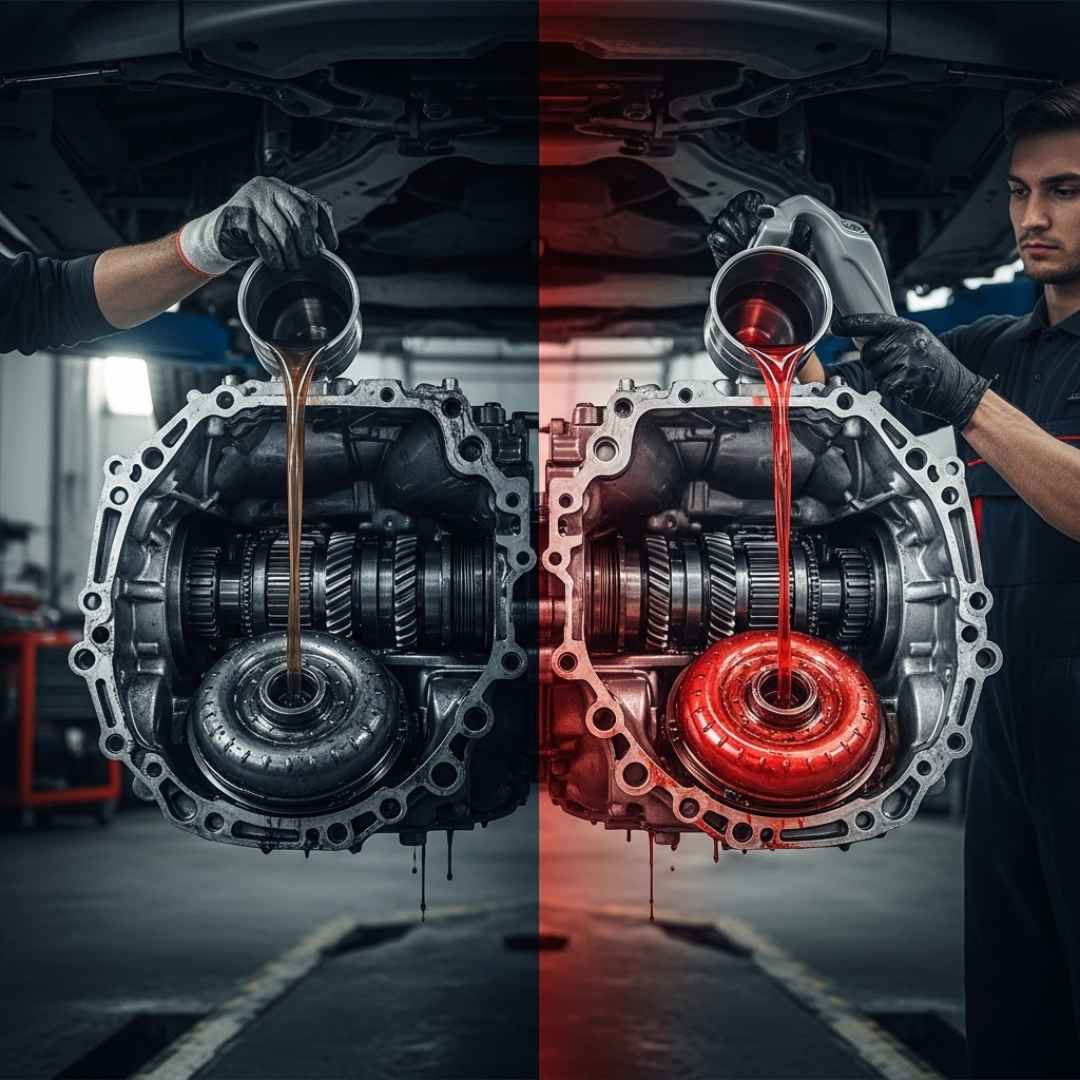
A Transmission Flush or Transmission Fluid Exchange is important because your Automatic Transmission Fluid (ATF) works hard inside the Transmission System. It helps with Lubrication, Cooling, Cleaning, Heat Dissipation, and Friction Reduction of all Transmission Components like the Torque Converter and Transmission Cooler.
Over time, ATF faces Fluid Degradation and Fluid Contamination. This means it becomes dirty and loses Fluid Quality, which can cause High Operating Temperature, poor Hydraulic Pressure, and more Transmission Wear. If not changed, it can reduce Transmission Efficiency, hurt Vehicle Performance, and shorten Transmission Life.
Doing regular Fluid Replacement supports Preventive Maintenance, improves System Cleaning, keeps smooth Fluid Circulation, ensures System Pressure Stability, and helps with Mechanical Wear Prevention.
It also keeps your car closer to OEM Specifications, protects your Vehicle Warranty, and improves Transmission Durability. Using the right Synthetic Transmission Fluid or Full Synthetic ATF also adds better Heat Resistance and Component Compatibility.
7 FACTORS THAT CAN AFFECT TRANSMISSION FLUSH COST
The price of a Transmission Flush depends on different Service Cost Factors:[How much does a transmission oil change cost]
- Vehicle Year, Vehicle Make, Vehicle Model – A High-End Vehicle may cost more
- Service Location – Urban Area Pricing can increase Labor Cost
- Service Center – Whether it’s a Dealership Service, Independent Mechanic, or Automotive Maintenance Provider
- Service Method – Pump Inlet Flush may cost more than a Cooler Flush
- Fluid Type – Full Synthetic ATF costs more than regular fluid
- Fluid Quantity & Fluid Capacity – More fluid means higher cost
- Additional Services – Like Filter Replacement Service, Pan Removal Service, and Gasket Replacement
Choosing a good Automotive Repair Facility with a Professional Technician or Certified Technician ensures better Automotive Service Quality and proper Fluid Standards.
HOW OFTEN SHOULD TRANSMISSION FLUSHES BE PERFORMED?
The best Service Interval depends on your car’s Manufacturer Recommendation in the Owner’s Manual. Most cars need a Transmission Fluid Exchange every 30,000 to 60,000 miles, but always follow your Maintenance Schedule. Regular Vehicle Maintenance keeps your transmission healthy and avoids costly repairs.
FOR AUTOMATIC TRANSMISSIONS
There are different types of services:
- Drain and Fill – Removes old fluid using the Fill/Drain Plug and adds new fluid, but only part of the fluid is replaced
- Transmission Pan & Filter Service – The Transmission Pan is opened, the Transmission Filter is replaced, and a new Pan Gasket is installed
- Full Transmission Flush – Replaces almost all fluid in the system, including inside the Torque Converter and Transmission Cooler
A full service improves Performance Optimization, better System Cleaning, and longer Transmission Life.
REAL LIFE EXPERIENCE
One customer came to Shahs Spa and Tire Lube in Bolton, Ontario. His car was shaking and not changing gears properly. He never did a Transmission Flush before. When we checked, the ATF was very dirty and burned.
We did a full Transmission Fluid Exchange with Filter Replacement Service. After that, the car started running smoothly again. The customer said it felt like a new car. This shows how important regular Preventive Maintenance is.
Keep your car safe and smooth. Visit Shahsspaandtirelube in Bolton, Ontario, Canada today.
📞 Book Now: +1 (905) 805-1414
WILL A FLUSH OR FLUID CHANGE FIX TRANSMISSION ISSUES?
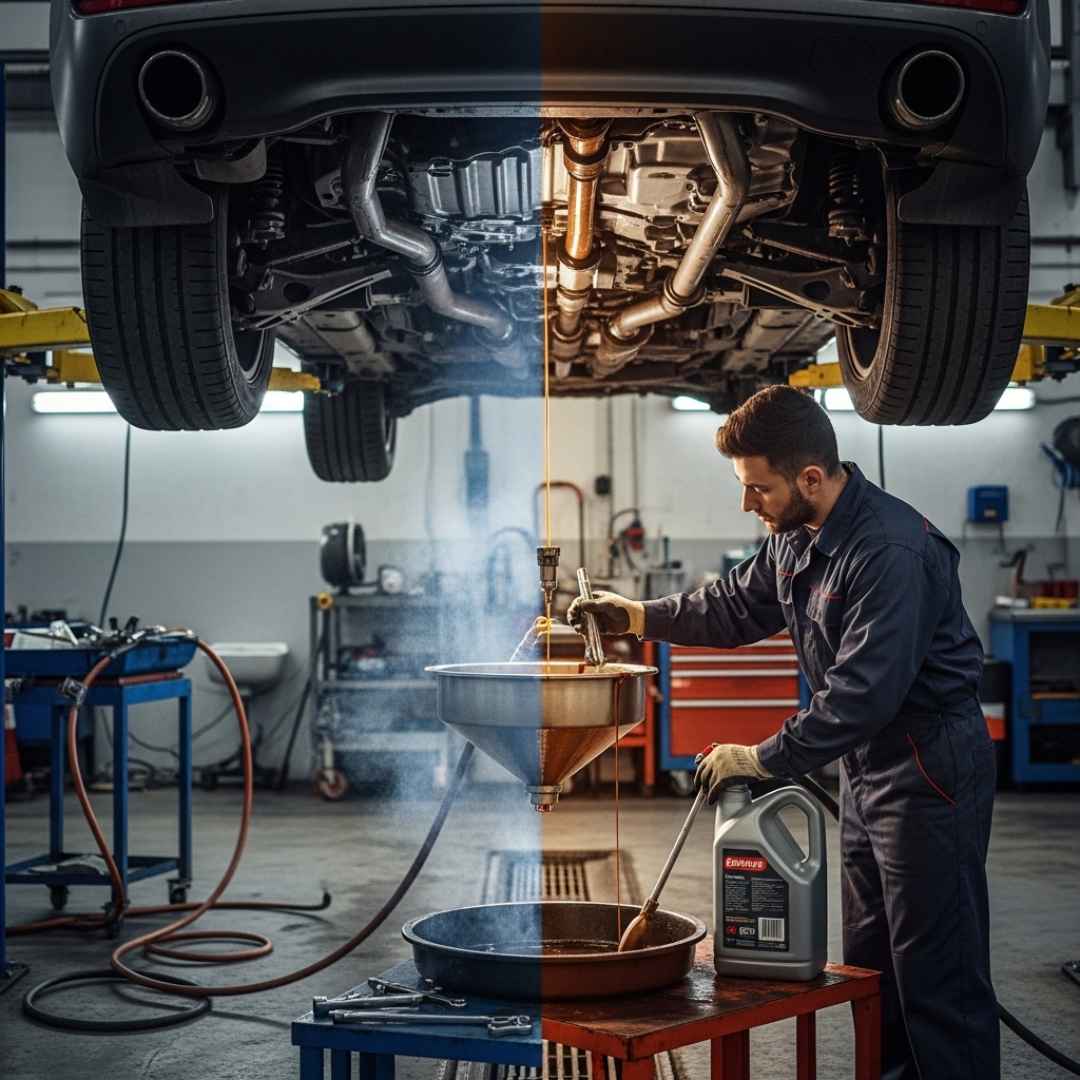
A Transmission Flush, Transmission Fluid Change, or Transmission Fluid Exchange is mainly Preventive Maintenance, not a Corrective Repair. This means it helps stop problems before they happen, but it usually does not fix big Transmission Issues.
If your car already has Transmission Symptoms like slipping or hard shifting, there is only a small chance it will help—and that is mostly when there is a Low Fluid Level. In most cases, the problem is Internal Transmission Failure, Mechanical Failure, or Transmission Damage caused by Lack of Maintenance.
Doing regular Fluid Replacement, checking Fluid Condition, and doing a Fluid Level Check helps keep your Transmission System healthy and improves Transmission Care and overall Vehicle Maintenance.
MANY DRIVERS CHOOSE DIY TRANSMISSION SERVICE
Many people try DIY Transmission Service (Do It Yourself) because it looks like a good cost-saving option. But it is not always easy.
You need proper Automotive Tools and Service Equipment, and it can be a very Messy Procedure. Most cars have a Drain Plug Absence, so you must open the Transmission Pan by removing Pan Bolts while ATF is still inside.
You also need a Catch Pan for Used Fluid Collection. Sometimes there is Fluid Spillage, so Clay Cat Litter Cleanup or other Absorbent Material is used.
This is a Time-Consuming Task and needs good Automotive Knowledge, skill requirements, and proper Safety Precautions. Because of Service Complexity and Job Difficulty, many people prefer a Professional Technician or Certified Mechanic at a Repair Shop or Automotive Service Provider.
WHAT YOU CAN DO
If you are not sure, the best Maintenance Decision is to get Professional Help. A good Workshop Service gives you Trusted Advice and proper Service Assistance.
You can also visit an Auto Parts Store for Replacement Fluid Purchase, but if the job feels hard, choose from Local Repair Shops or Preferred Shops for better Automotive Support and safe Vehicle Service Options.
Regular care keeps your transmission safe and avoids big repair costs.
REAL LIFE EXPERIENCE
A driver came to Shahsspaandtirelube in Bolton, Ontario, Canada. He tried a DIY Transmission Service at home. During the Fluid Drain Process, a lot of ATF spilled, and he could not close the Transmission Pan properly.
After that, his car showed more Transmission Symptoms. Our Certified Mechanic checked it and found low fluid and a loose seal. We fixed it, did a proper Transmission Fluid Exchange, and the car started working fine again.
This shows that sometimes DIY can cause more problems if not done correctly.
Don’t take risks with your car. Get expert service you can trust.
📞 Book Now: +1 (905) 805-1414
📍 Visit Shahsspaandtirelube, Bolton, Ontario, Canada
FAQs About Transmission Oil Change Cost?
Q1. How much does it cost to change transmission oil?
Ans. The cost is different for every car. A simple Transmission Fluid Change (drain and fill) is cheaper. A full Transmission Flush costs more because it cleans the whole Transmission System.
Q2. Why is a transmission flush more expensive?
Ans. A Transmission Flush uses more ATF (Automatic Transmission Fluid) and special machines. It also takes more time and skill, so the price is higher than a basic service.
Q3. Does car type affect the cost?
Ans. Yes. Your vehicle make, model, and type matter a lot. Luxury or European cars need special fluid and tools, so their cost is higher.
Q4. Can I save money by doing it myself?
Ans. Yes, a DIY Transmission Service is cheaper. But you need the right tools and knowledge. If you make a mistake, it can cause Transmission Damage, which will cost more later.
Q5. When should I change my transmission fluid?
Ans. Follow your owner’s manual. Most cars need it every 30,000 to 60,000 miles. Regular Vehicle Maintenance helps avoid big repair costs.
Conclusion: Transmission Oil Change Cost
A transmission oil change cost depends on your car, service type, and location. A simple fluid change is low cost, while a full Transmission Flush is more expensive but gives deep cleaning.
The best way to save money is through regular Preventive Maintenance. It keeps your car running smoothly and protects your Transmission System from damage.
If you are not sure what your car needs, it is always safer to get help from experts.
👉 Keep your car safe and smooth with trusted service at Shahsspaandtirelube, Bolton, Ontario, Canada.
📞 Book Now: +1 (905) 805-1414
Leave a Reply