


In Canada, how often to change transmission oil depends on the Transmission Fluid Change Interval, which is usually every 50,000 to 100,000 kilometres or 2 to 4 years as part of normal Vehicle Maintenance. The exact timing for how often to change transmission oil depends on your Owner’s Manual, Car Manual, and Manufacturer Recommendation.
For most Automatic Transmission, Manual Transmission, and CVT (Continuously Variable Transmission) systems, how often to change transmission oil can vary based on Vehicle Type and Driving Conditions. In Severe Driving Conditions like Stop-And-Go Traffic, Cold Weather Driving, Towing, and Harsh Canadian Winters, the service interval becomes shorter due to faster Fluid Degradation and higher Mechanical Wear.
Signs like Dark Fluid, Burnt Smell, or Harsh Shifting mean you need to check how often to change transmission oil sooner than normal. Regular Fluid Inspection helps protect Transmission Health, Transmission Performance, Transmission Protection, and Vehicle Longevity through proper Preventive Maintenance.
Following the correct how often to change transmission oil schedule improves Lubrication, Fluid Quality, and Transmission Reliability for long-term Transmission Care.
Real-Life Experience: A customer in Bolton, Ontario, came to Shahsspaandtirelube with harsh shifting in cold weather. The fluid was dirty, so we performed a Transmission Fluid Change. Vehicle performance improved after the service, and shifting was smoother again.
📍 Shahsspaandtirelube — Bolton, Ontario, Canada
Book Appointment Now
Why Change Transmission Fluid
Transmission Fluid is very important for your Transmission. Fresh Transmission Fluid helps with Smooth Operation, Hydraulic Pressure, and Smooth Gear Shifts. It works like a Lubricant that reduces Heat and Friction inside the Transmission Components.
Over time, Dirt, Debris, Metal Shavings, and tiny Particles can build up in the fluid. High Temperatures can also cause Oxidation, making the fluid turn into Thickened Fluid or a Varnish-Like Substance. This can slow Fluid Flow and reduce Lubrication.
When Fluid Effectiveness becomes weak, it can lead to Increased Friction, Transmission Wear, Overheating, Excessive Wear and Tear, and even Transmission Failure. These problems may result in Costly Repairs. A regular Transmission Fluid Change helps with Protection, Vehicle Integrity, and better Vehicle Maintenance for both Automatic Transmission and Manual Transmission vehicles.
How Often to Change Transmission Fluid
The best Change Intervals depend on your Car Manual, Vehicle Manufacturer Recommendations, Vehicle Usage, and Driving Conditions. Most Passenger Cars should get a Transmission Fluid Check and service every 50,000 to 100,000 kilometres.
Vehicles using Synthetic Fluids and Advanced Automatic Transmission Systems may last longer before needing service. However, Severe Driving Conditions can cause faster Fluid Degradation. This includes Heavy Traffic, Stop-And-Go Traffic, Towing, Off-Road Driving, Extreme Temperatures, and Mountainous Terrain. These conditions create Additional Stress on the Transmission.
Under Normal Driving Conditions, drivers can follow the Recommended Replacement Intervals in the owner’s manual. But High-Performance Vehicles and cars used for Spirited Driving may need Frequent Fluid Changes and a Shorter Service Interval.
When to Change Your Transmission Fluid
There are some easy signs that show your Automatic Transmission Fluid may need attention. If you notice rough shifting, delayed movement, strange noises, burning smells, or overheating, it may be time for a Fluid Flush or Fluid Drain and Refill.
Old or Contaminated Fluid can collect Sludge and damage the System Integrity of the Transmission. Changing the fluid at the right time helps prevent Premature Wear and keeps your vehicle running smoothly.
Recommended Transmission Fluid Replacement Intervals for Performance Vehicles
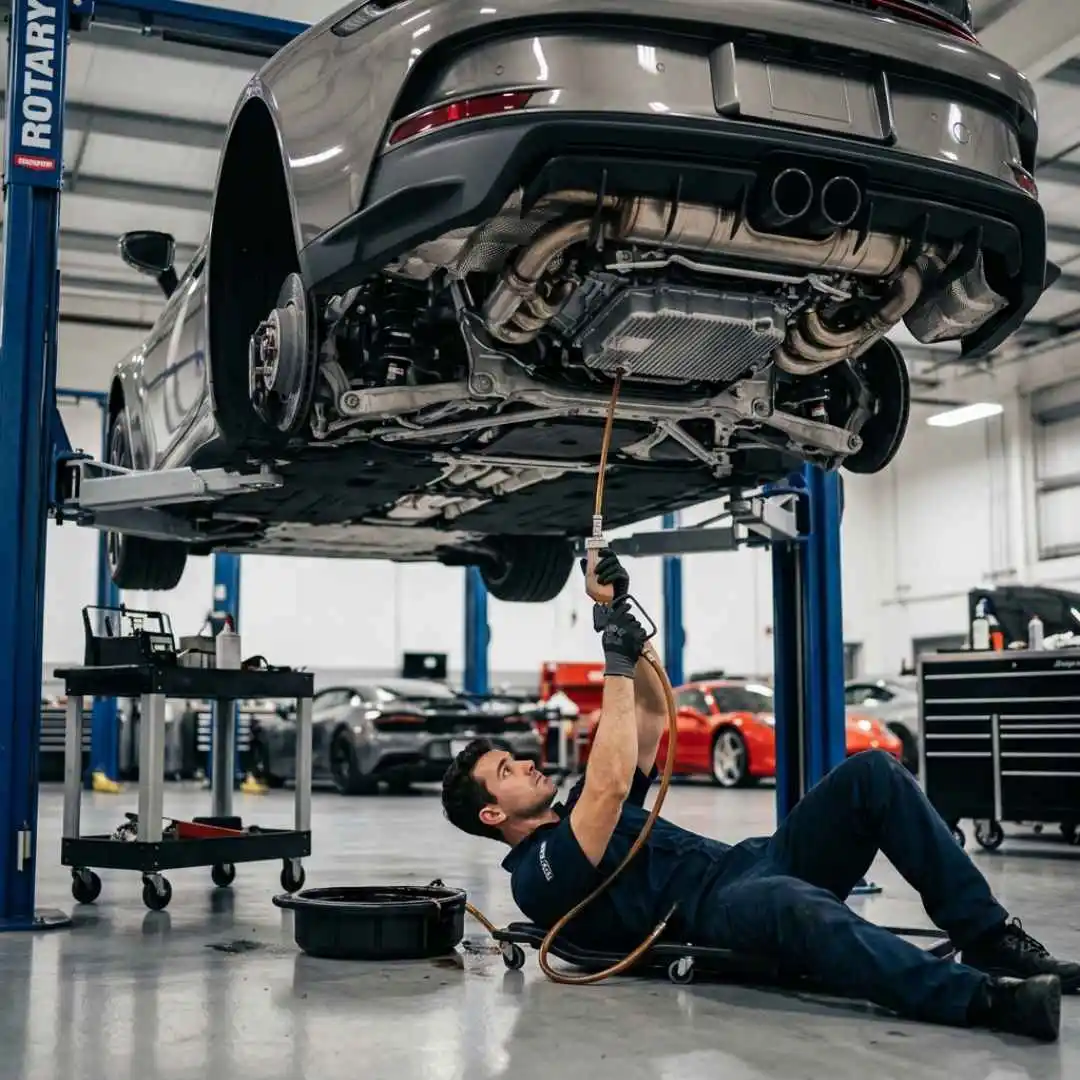
Performance Vehicles and High-Performance Vehicles usually need more care than regular cars because they create more Heat and Friction. Experts often suggest a Fluid Flush every 30,000 to 50,000 kilometres, especially for drivers who tow trailers or drive in heavy traffic.
A Fluid Flush Services process removes old fluid completely, while a Fluid Drain and Refill only replaces part of the fluid. Both services help improve Protection and keep the Transmission working properly.
At Shahsspaandtirelube in Bolton, Ontario, our Technicians provide Expert Care based on your vehicle’s needs. We offer Comprehensive Transmission Service, Cooling System Maintenance, and Auto Tune-Up services while following high Service Standards.
Real-Life Experience
One customer in Canada, Bolton, Ontario, noticed their car shaking during Smooth Gear Shifts while driving in Heavy Traffic every day. After a Transmission Fluid Check, we found dirty fluid filled with Debris and Sludge. Our Technicians performed a Fluid Flush, and the customer said the car felt smooth and quiet again. Regular service helped them avoid Costly Repairs and possible Transmission Failure.
👉 Book Now for trusted transmission service and keep your vehicle safe on the road.
Why Transmission Fluid Matters More in High-Performance Vehicles
Transmission Fluid is very important for High-Performance Vehicles because these cars and trucks face Greater Stress during driving. Higher Speeds, Aggressive Acceleration, Heavy-Duty Use, Towing, and Hauling Heavy Loads create more Heat and Friction inside the Transmission System. This Increased Demand causes Fluid Degradation much faster than in normal vehicles.
Transmission Fluid helps with Lubrication, Cooling, and Protection of the transmission’s internal components. It keeps the Gears, Clutch Plates, Seals, and Meshing Gear Teeth safe from Metal-To-Metal Contact and Gear Wear. Sports Cars often run at Elevated RPMs and need Precise Gear Shifts for Smooth Operation and better Driving Performance.
When the fluid becomes dirty from Contaminants or loses its Fluid Properties, it can reduce Lubrication and cause Transmission Wear, Reduced Lubrication, Overheating, and Internal Wear. If drivers ignore Timely Fluid Replacement, it can lead to Slipping Gears, Costly Engine Repairs, Costly Transmission Repairs, and even Complete Transmission Failure.
Signs Your Transmission Fluid Needs Immediate Attention
Your vehicle may show Warning Signs when the Fluid Condition becomes bad. Common problems include Delayed Shifting, Grinding Noises, Hesitation, surging, Jerky Shifts, Inconsistent Shifts, and a Slipping Sensation where the Engine Revs but the vehicle does not move properly.
A simple Fluid Inspection using the Dipstick can help. Healthy fluid is usually Bright Cherry Red Fluid. Bad fluid may look like Dark Brown Fluid or Black Fluid and may have a Burnt Odour. These signs mean the fluid has lost its Protective Properties.
If you notice these problems, quick Transmission Maintenance can help prevent Accelerated Wear and improve Transmission Health and Vehicle Performance.
Symptoms Of Low Transmission Fluid
Low Transmission Fluid can create many problems during daily driving. Drivers may feel Poor Shifting, Lost Power, Increased Transmission Temperatures, or slow Acceleration. In Extreme Cases, the vehicle may not move unless there is strong Engine Revving.
Transmission Fluid works as a Hydraulic Fluid that creates Hydraulic Pressure for smooth Gear Changes. The Vehicle Computer tells the Transmission Fluid Pump to move fluid through the system. This pressure helps the Clutch Pack connect the Engine to the Transmission Output Shaft for proper Power Transfer to the Wheels.
When fluid is low, Air And Fluid Mix together and create Foam and Foam Bubbles. This reduces pressure and causes rough shifting instead of Crisp Shifts and Consistent Shifts.
Low Transmission Fluid = Poor Shifting
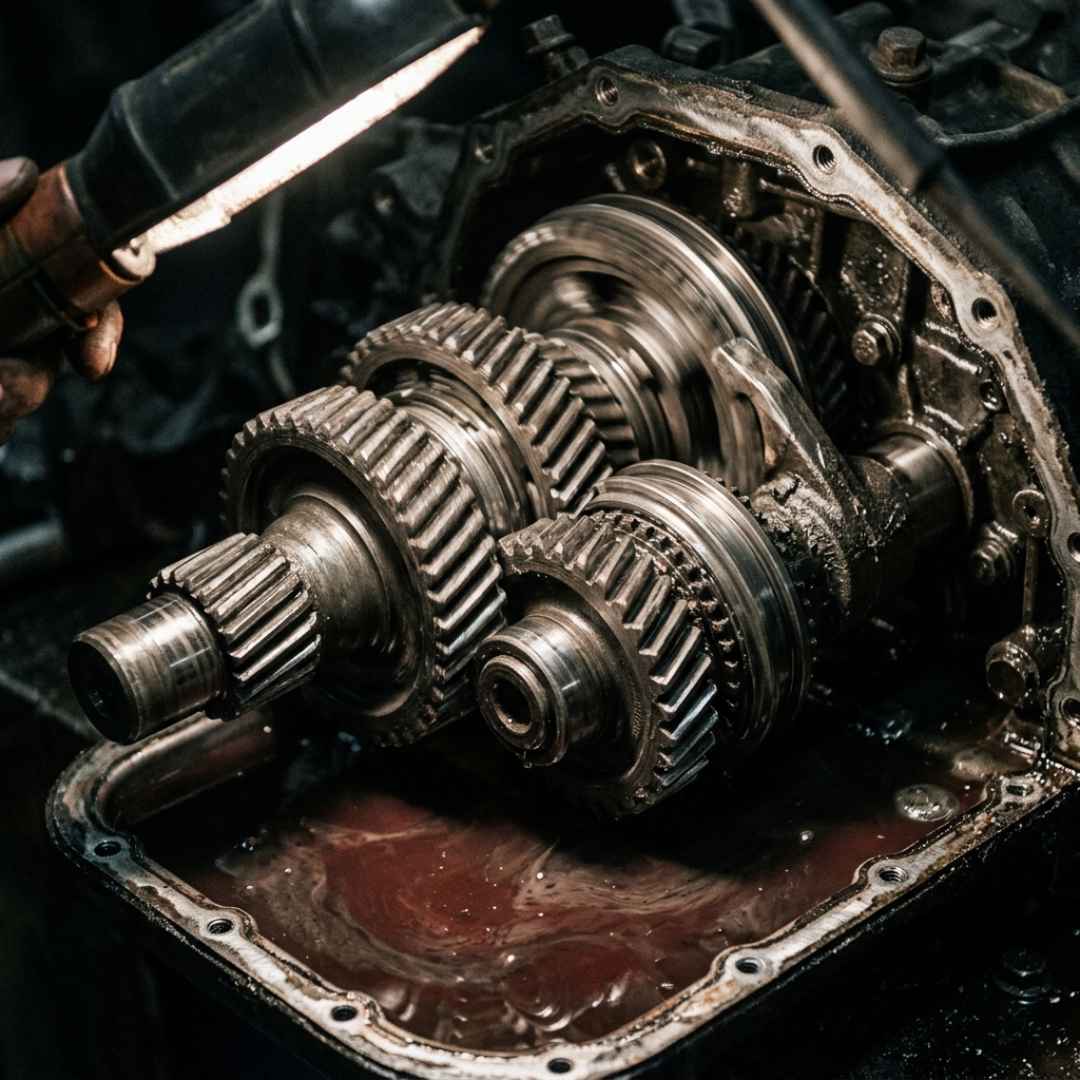
Low fluid can stop the Torque Converter from working correctly, reducing Torque Transfer and causing Hesitation during driving. Drivers may notice rough shifting, delayed response, or shaky movement while changing Gears.
Without enough fluid, the Lubricating Film inside the transmission becomes weak. This can damage Clutch Plates and Seals, leading to Fluid Leaks and Dry Seals. Poor lubrication also increases Significant Friction and causes faster wear on important parts.
Low Transmission Fluid Can Invite Wear
Transmission Fluid creates a Protective Layer between moving parts for Wear Prevention and Mechanical Protection. When the fluid level is too low, Metal-To-Metal Contact can happen between gears and other parts.
This can lead to Gear Wear, Internal Wear, and poor Transmission Efficiency. Regular Automotive Maintenance and checking the fluid on a Mileage-Based Schedule can help avoid expensive problems and keep Reliable Shifting.
Real-Life Experience
A driver in Bolton, Ontario, came to Shahsspaandtirelube after noticing Grinding Noises and Hesitation while towing a trailer. During our Fluid Inspection, we found Low Transmission Fluid that had turned Dark Brown Fluid with a Burnt Odour. Our team replaced the old fluid and checked the Transmission System carefully. After the service, the customer said the truck felt smoother, quieter, and stronger during towing.
👉 Book Now today for trusted transmission care and smooth driving performance.
Prioritizing Transmission Health
Taking care of your Transmission Health is very important for safe and smooth driving. The transmission has many Complex Components, and it is one of the most Expensive Components to repair in a vehicle. Regular Checks, Professional Inspections, and Routine Maintenance can help keep your Transmission Function working properly.
Your Car Manual and Owner’s Manual give Recommendations about the Appropriate Intervals for changing Vehicle Transmission Fluid. Following a Structured Service Schedule helps prevent Fluid Degradation and protects the transmission from damage.
Fresh Fluid provides Hydraulic Pressure, Cooling, and Proper Lubrication for the Gears and clutches. This helps stop Grinding Gears and Slipping Clutches while improving Smooth Shifting during Daily Commutes and Long-Distance Travel. Good Transmission Care also improves Vehicle Reliability, Vehicle Performance, and Reliable Performance.
At Shahsspaandtirelube in Bolton, Ontario, our team provides Automotive Maintenance and Transmission Repair Prevention services to help drivers enjoy Peace Of Mind on the road.
Check Your Transmission Fluid
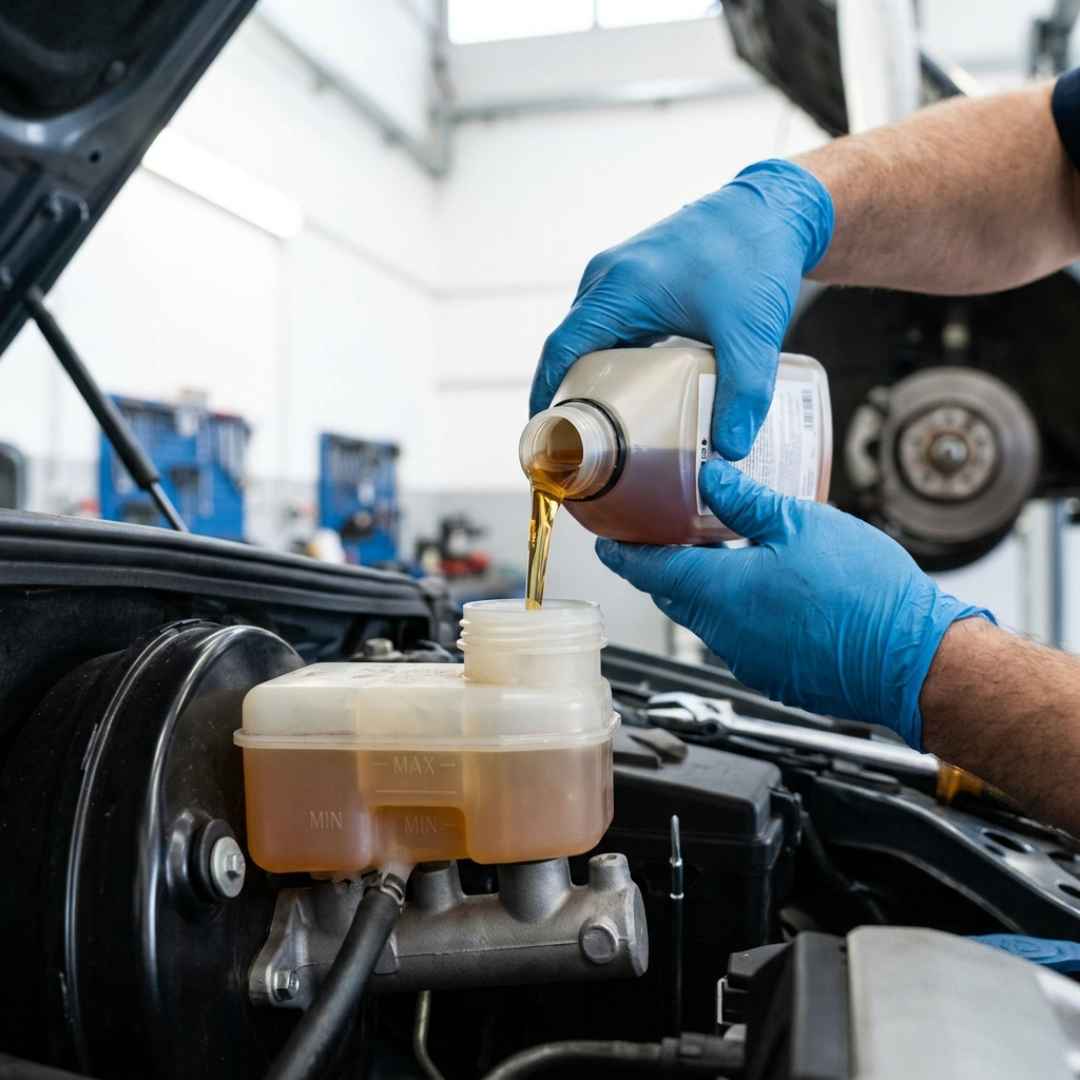
A simple Transmission Fluid Check can help your vehicle stay at Peak Performance. Experts recommend a Monthly Check to make sure the Fluid Level is correct. Low or dirty fluid can lead to poor shifting and transmission problems.
Start the vehicle and let the Car Idle for a few minutes. After the Engine Check, use the dipstick for a quick Fluid Inspection. Healthy fluid should look clean and bright. If you notice dark fluid, a burnt smell, or low fluid, visit a Mechanic for Problem Diagnosis.
Using high-quality Synthetic Transmission Fluid can give extra Reserve Protection and better Transmission Cooling during hot weather or heavy driving.
How to Change Your Transmission Fluid
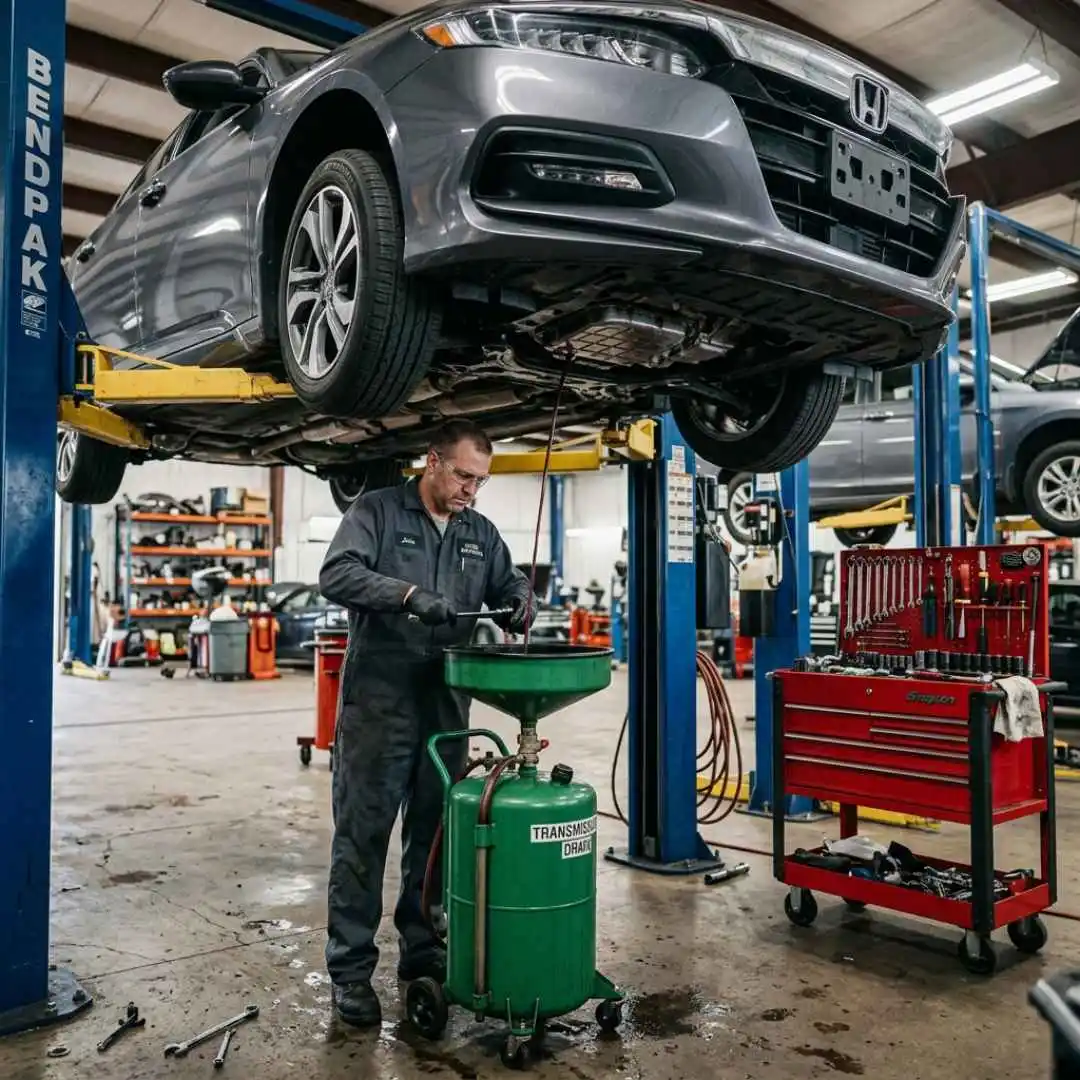
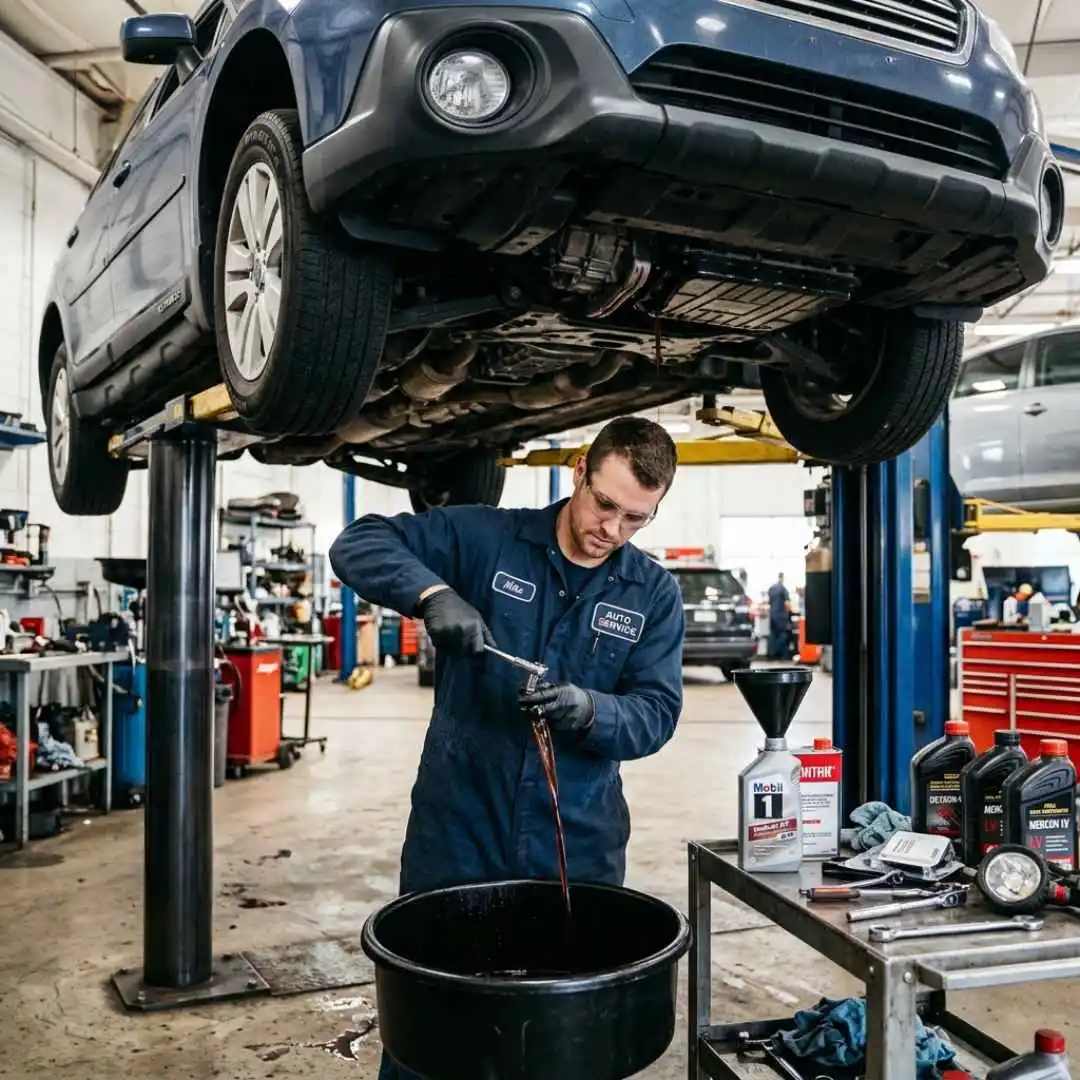
A Transmission Fluid Change should be done carefully to protect the transmission. First, park the car safely, turn the Ignition Off, Raise Vehicle, and Secure Vehicle before starting the Service Procedure.
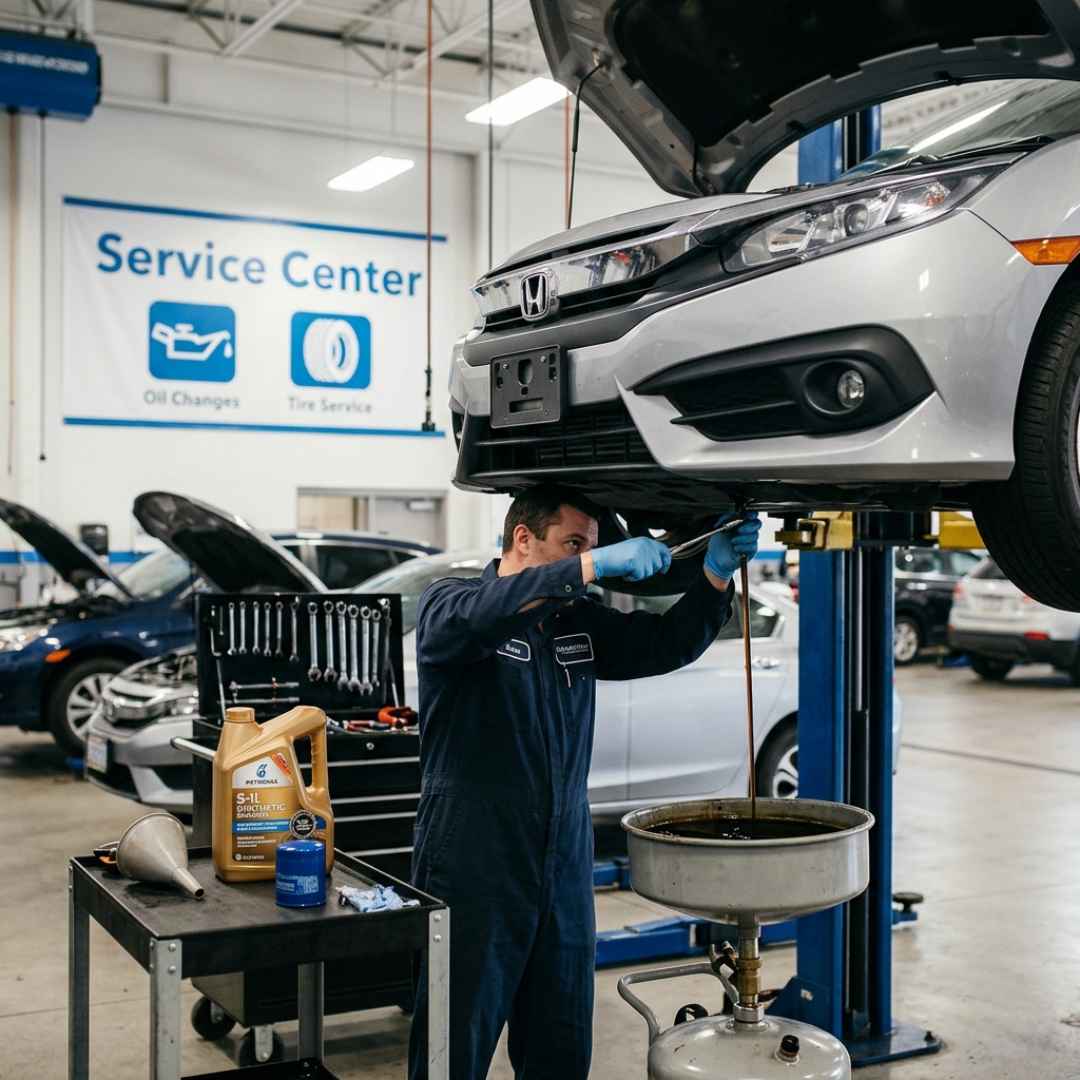
Place a Catch Pan or Drain Pan under the Transmission Pan. Remove the Pan Bolts slowly so the Fluid Drain happens safely. After draining the old fluid, remove the old Transmission Filter and O-Ring.
Next, install the New Transmission Filter and place the New Gasket on the pan using Oil-Soluble Grease. Avoid using Gasket Sealer or Adhesive unless required. Tighten the Fasteners with Finger-Tight Installation first, then follow Torque Specifications using a Spiral Pattern and Center Torque Pattern. The Maximum Torque should match the vehicle instructions.
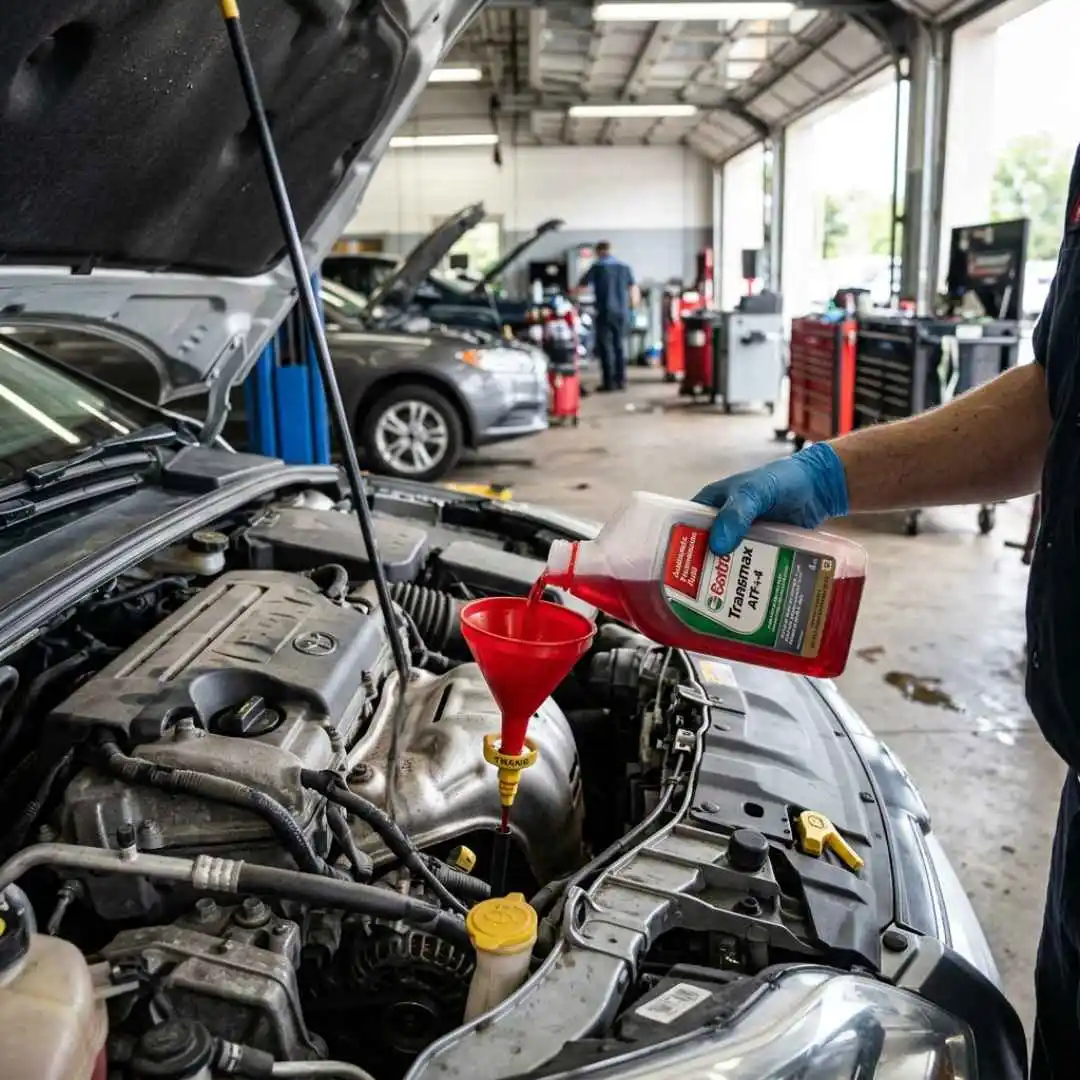
Finally, lower the vehicle, add the Recommended Fluid Amount of New ATF, and perform a Leak Inspection to ensure everything works properly.
Transmission Flush vs. Exchange: At a Glance
A Transmission Flush and Transmission Fluid Exchange are both used for Fluid Replacement, but they work differently.
A Transmission Flush uses a Professional-Grade Flush Machine to remove old Automatic Transmission Fluid (ATF) from the entire system. It performs Complete ATF Removal, including fluid inside the Torque Converter and Cooler Lines. The process also removes Grime Removal, Fluid Contamination, and other Contaminants by using a Special Cleaning Solution before a full System Refill with fresh fluid.
A Transmission Fluid Exchange uses Natural Gravitational Forces to drain fluid from the Transmission Pan Drain area. This method only removes part of the Total ATF Volume, called a Partial Fluid Drain.
A Trained Professional should usually perform a flush service, while some drivers may try a DIY Service at home. In addition to these services, transmission efficiency can be improved, gear protection can be improved, proper lubrication can be provided, and smooth operation can be achieved.
Real-Life Experience
A customer in Bolton, Ontario visited Shahsspaandtirelube because their truck had rough shifting during Long-Distance Travel. During our Fluid Inspection, we found dirty ATF and signs of Fluid Degradation. Our team performed a Transmission Flush and replaced the filter. After the service, the customer said the truck felt smoother and quieter, especially while towing heavy loads.
👉 Book Now today for expert transmission service and smooth driving performance.
Why Are Transmission Flush Services Necessary?
Transmission Flush Services help keep your Transmission Components clean and working properly. ATF, also called Automatic Transmission Fluid, is important for Lubrication, Cooling, Heat Removal, Friction Reduction, and Cleaning Internal Transmission Parts.
Over time, Old ATF collects Contaminants, Sludge, Debris, and dirt from normal Vehicle Operation. High Operating Temperatures and Fluid Degradation can reduce the fluid’s ability to protect the transmission. Dirty fluid may cause Transmission Wear, poor Smooth Shifting, and lower Transmission Efficiency.
Changing the fluid on a regular Maintenance Schedule helps improve Gear Protection, Transmission Reliability, and Vehicle Protection. It may also help maintain your Vehicle Warranty and reduce expensive Automotive Repair costs.
Many drivers choose Synthetic Transmission Fluid or Full Synthetic Transmission Fluid because it offers better Heat Resistance and Friction Protection. However, the Correct Fluid Type should always match the Manufacturer Recommendation in the Owner’s Manual and OEM Specifications.
At Shahsspaandtirelube in Bolton, Ontario, our Trained Technicians provide safe and professional Transmission Care for all types of vehicles, including Older Cars and modern Automatic Transmissions.
What Happens During a Transmission Fluid Flush Service?
A Transmission Fluid Flush Service usually starts with a Test Drive. This helps with Problem Diagnosis and allows the technician to check for Transmission Leaks, Transmission Noises, or other External Signs of trouble.
There are two common flush methods.
The Cooler Flush Method disconnects the Cooler Lines and connects them to a Flush Machine. The Transmission Pump moves Used ATF out while Clean ATF flows into the system. This process follows Normal Operating Conditions and helps with Internal Parts Protection. The Incoming ATF replaces the Outgoing ATF while the dirty fluid is collected for Recycling.
Another option is the Pump Inlet Flush Method. This method performs a Complete System Flush by removing fluid through a Drainage Pan. It often includes Pan Removal and Filter Replacement for better System Cleaning. Although this method uses Additional ATF and has a Longer Service Time, it removes more dirty fluid.
Because of the extra work and higher Fluid Capacity, the Transmission Fluid Flush Cost is usually higher than a basic Transmission Fluid Change Cost. A flush may use many Quarts Of ATF, especially when cleaning the Torque Converter and other parts.
A Closer Look at the Transmission Fluid Exchange
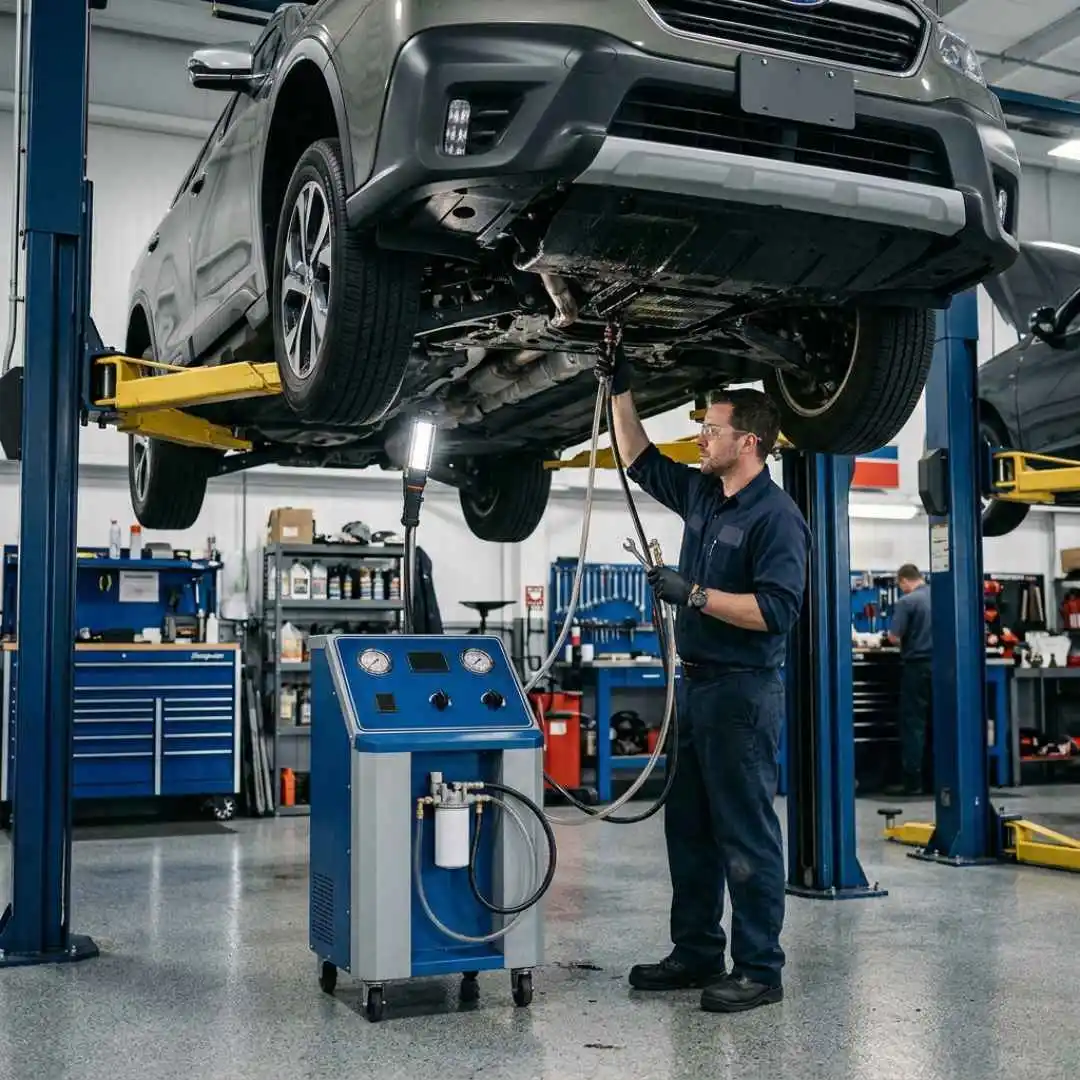
A Transmission Fluid Exchange is another type of Fluid Replacement service. First, the vehicle is warmed up with a short Test Drive. Then the car is placed on a Lifted Vehicle system to allow Transmission Pan Access.
The technician removes the Drain Plug or Transmission Pan so the Old Fluid Drain can happen safely. During this step, the technician checks for Fluid Contamination, Sludge, and Debris. A Thorough Cleaning is done before Gasket Replacement and Filter Replacement.
Next, the Transmission Refill process begins using the Correct Fluid Amount and Correct Fluid Type. After the Engine Start, some Fluid Mixing happens because a small amount of old fluid remains inside the Torque Converter.
The vehicle is then checked for Proper Shifting, ATF Leaks, Dashboard Warning Indicators, Grinding Transmission sounds, or other problems needing Further Attention. This service improves Transmission Performance and helps prevent future issues.
Many Drivers Choose to Perform a Transmission Flush Themselves
Some people try a DIY Transmission Flush or Do It Yourself Service to save money. However, this job needs proper Transmission Service Tools and can become a Messy Procedure.
Most Automatic Transmissions do not have an easy drain system, so drivers may need to loosen Pan Bolts while fluid is still inside. A large Catch Pan is needed for the Old Fluid Drain, and Spilled ATF can make a mess. Some drivers use Clay Cat Litter to absorb leaks and spills.
Without Professional Inspection or proper knowledge, mistakes can happen during the Service Procedure. Using the wrong fluid or missing signs of damage can lead to bigger Maintenance Costs later.
That is why many drivers trust Shahsspaandtirelube in Bolton, Ontario for safe Professional Service and expert Transmission Diagnostics.
Real-Life Experience
A customer in Bolton, Ontario came to Shahsspaandtirelube after noticing rough shifting and strange Transmission Noises during driving. Our team performed a Fluid Inspection and found dirty ATF filled with Debris and signs of Fluid Degradation. After a Complete System Flush and fresh fluid replacement, the customer said the vehicle felt smoother and quieter on the road.
👉 Book Now today for expert transmission service and smooth vehicle performance.
4 Factors That Affect Transmission Fluid Change Cost
Transmission Fluid Change Cost can be different depending on several simple factors. The Procedure Cost is not the same for every car.
First is Labor Costs. If you choose a Do-It-Yourself Job, it may cost less, but a Professional Service from an Independent Shop, Dealership, or Quick Lube Location will include labor charges.
Second is your Make And Model and Vehicle Year. Modern Cars and High-End Car models often need special Automatic Transmission Fluid (ATF), which can be Expensive ATF.
Third is the Transmission Fill amount. Some vehicles need more fluid, which increases cost.
Fourth is extra work like Filter Replacement and Pan Gasket replacement. These Additional Services increase Maintenance Costs but help protect Transmission Life.
7 Factors That Affect Transmission Flush Cost
Transmission Flush Cost is usually higher because it is a Complete Fluid Replacement service.
It depends on the Service Center type, such as Independent Repair Facility or Automotive Maintenance Provider. Location also matters because Urban Areas often have higher labor charges.
The Method used also affects price, such as Cooler Flush Method or Pump Inlet Method. Pump Inlet Method usually costs more.
Type of fluid is important. Synthetic ATF or Synthetic Automatic Transmission Fluid is more expensive but gives better Heat Resistance and Friction Protection.
The Amount Of Fluid Required also affects pricing because a full Transmission Fluid Flush Service uses more fluid than a normal change.
Other Additional Services like Pan Removal and cleaning also increase cost but help improve Transmission Protection and Vehicle Reliability.
Get Reserve Heat Protection For Your Transmission
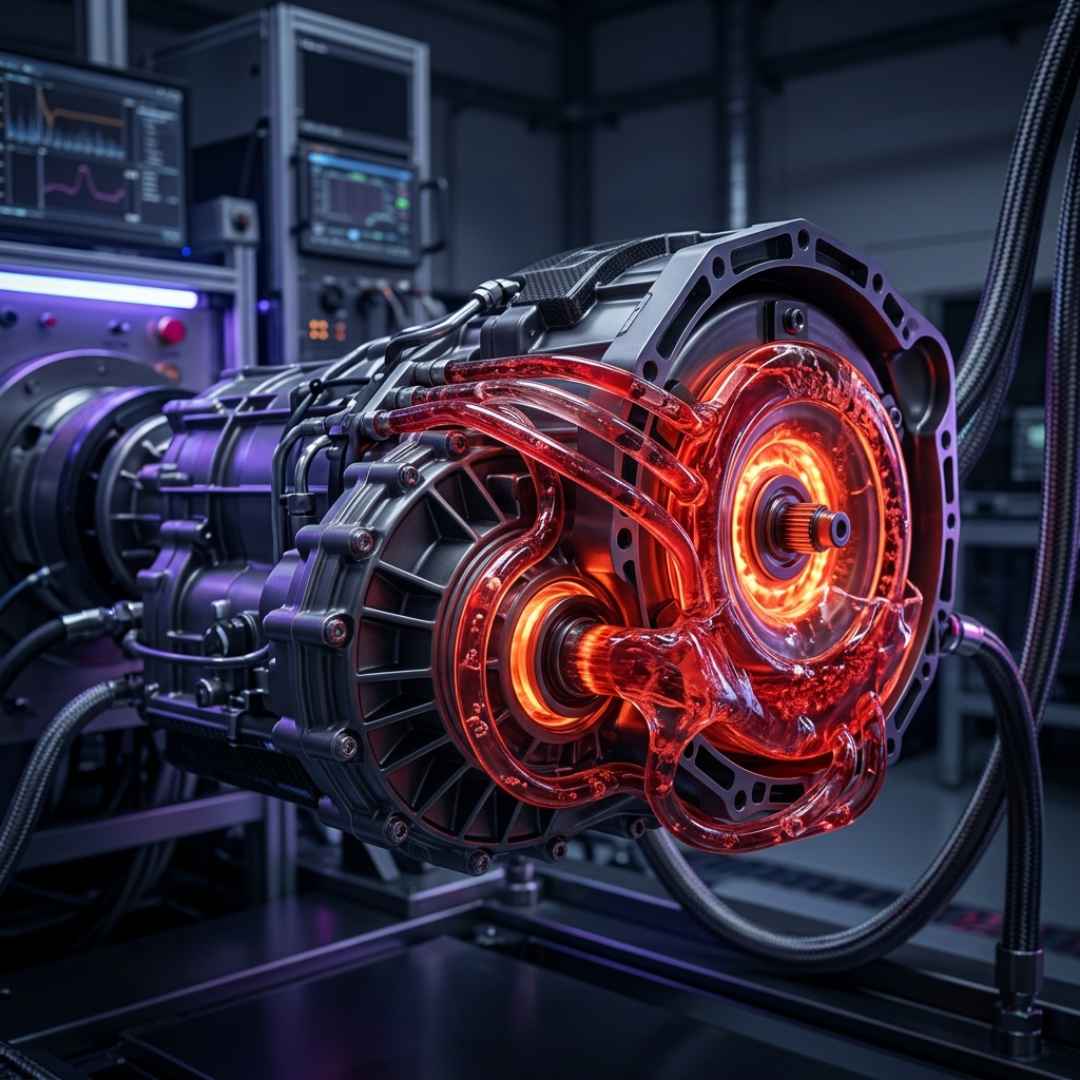
High-quality Synthetic Automatic Transmission Fluid offers Built-In Reserve Protection. It helps protect your Transmission even when service is delayed.
It also improves Heat Resistance, Friction Protection, and overall Transmission Performance. This supports better Transmission Life, Vehicle Performance, and Long-Term Performance.
Following OEM Severe-Service Drain Interval recommendations helps with better Preventive Maintenance and reduces risk of Transmission Damage.
This is especially important for High-Performance Vehicle use, where heat and pressure are higher.
Trust Your High-Performance Vehicle to Experienced Technicians
High-Performance Vehicle care needs Experienced Technicians who understand Transmission Maintenance and Fluid Replacement Service.
Professional Auto Repair helps protect Vehicle Longevity, Mechanical Reliability, and Transmission Performance. It also ensures proper Fluid Quality and correct Service Scheduling.
At Shahsspaandtirelube in Bolton, Ontario, Canada, we focus on Automotive Expertise, Transmission Care, and reliable Automotive Service to improve Vehicle Reliability and Performance Preservation.
Our team provides trusted Fluid Flush Service, helping protect your Transmission System from wear and damage through proper Vehicle Maintenance and Proactive Maintenance.
Real-Life Experience
A driver in Bolton, Ontario came to Shahsspaandtirelube because their car had rough shifting and rising transmission temperature. After inspection, we found old ATF and low fluid quality. We performed a full transmission service with fresh fluid replacement. After the service, the driver said the car felt smooth again and shifting became easy during daily driving.
👉 Book Now for expert transmission service and long-lasting vehicle protection.
FAQs – How Often to Change Transmission Oil
1. How often to change transmission oil in Canada?
In Canada, transmission oil is usually changed every 50,000 to 100,000 km or every 2 to 4 years, depending on your vehicle and driving conditions.
2. Does driving style affect how often to change transmission oil?
Yes. If you drive in heavy traffic, tow loads, or face cold winters, you may need to change transmission oil more often.
3. What happens if I don’t change transmission oil on time?
Old oil can become dirty and cause rough shifting, overheating, and damage to the transmission.
4. How do I know my transmission oil needs changing?
Signs include dark fluid, burnt smell, or gear shifting problems like jerking or delay.
5. Do all vehicles have the same change interval?
No. Each car is different. Always check your owner’s manual or follow professional advice for your vehicle.
Conclusion
Knowing how often to change transmission oil is very important to keep your car safe and smooth. Most cars need service every 50,000 to 100,000 km, but driving conditions can change this time. Regular oil changes protect your transmission, improve performance, and help avoid expensive repairs. Simple checks and timely service keep your car running like new.
Leave a Reply