



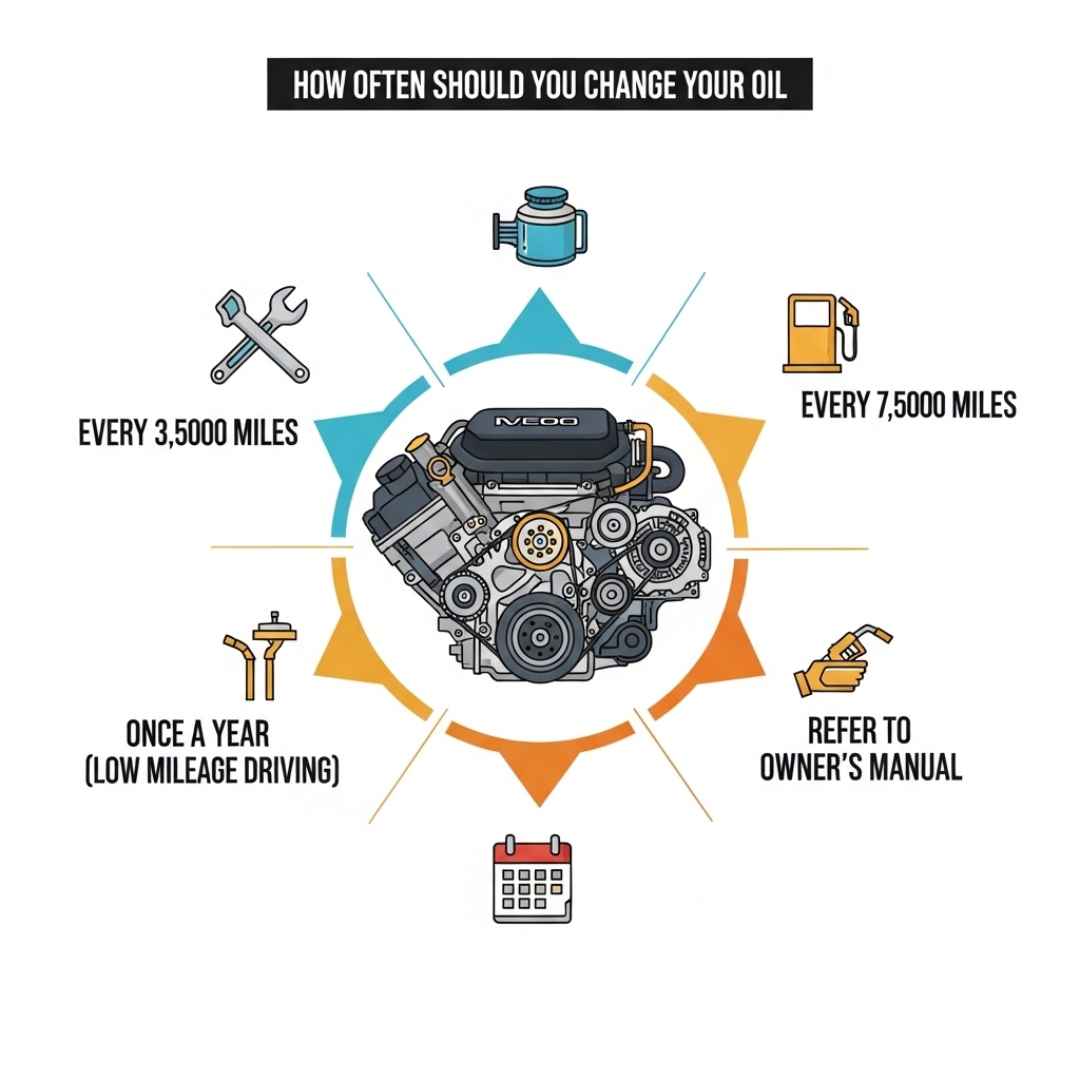
How often to change the oil depends on oil type, driving habits, and manufacturer recommendations. In modern vehicles, the synthetic oil interval is usually 7,500–10,000 miles, while the conventional oil interval is around 5,000–7,500 miles due to faster engine oil degradation and conventional oil wear. In severe driving conditions like stop-and-go traffic, extreme heat or cold, dusty conditions, towing, and frequent short trips, oil change frequency should be earlier at 3,000–5,000 miles.
Time-based maintenance is also important because lubrication breakdown and moisture contamination happen even when driving is low. Always follow the oil life monitoring system, owner’s manual, and manufacturer recommendations for the correct vehicle service interval.
Real experience at Shahsspaandtirelube: a customer ignored the oil change schedule, and engine performance dropped. After the service, the car ran smoothly again.
Call +1 (905) 805-1414 to book now.
When Should You Change Your Oil
You should change your engine oil based on both kilometres (mileage) and time, not just one fixed rule. For most vehicles, the right oil change frequency is every 7,500 to 10,000 kilometres under normal driving conditions. But if your driving habits include a lot of city driving, stop-and-go traffic, or frequent short trips, then your oil interval should be shorter—around 5,000 to 7,500 kilometres.
On the other hand, if you mainly do highway driving or long-distance driving, your oil may last longer because there is less engine wear and smoother engine performance.
Even if you don’t drive much, you should still change your oil every 6 months. This is because oil degradation happens over time, which reduces oil effectiveness and proper lubrication. Factors like temperature effects, moisture, and oil contamination can lead to oil breakdown, affecting important engine components and overall vehicle health.
The most accurate answer is to follow your owner’s manual and manufacturer recommendations, because every vehicle make and model is different. Modern automotive technology also helps through a dashboard alert, service reminder, or dashboard notification. These tools act as a service interval reminder, along with the dealership sticker, making maintenance planning easier and more reliable.
Regular vehicle maintenance and preventive maintenance help protect your engine, improve fuel efficiency, and increase engine reliability. Clean oil ensures better oil efficiency and strong engine protection, which are key parts of proper automotive care and automotive best practices.
Also, remember, changing oil too early creates more oil disposal, increases used oil waste, and negatively impacts the environmental impact and sustainability. So always follow the correct schedule—not too early, not too late.
Real-life example:
[How often to change the oil in a car] A customer at Shahsspaandtirelube ignored his oil change because he only drove short distances. Over time, his engine became noisy due to dirty oil and heavy oil contamination. After a proper oil change, his car ran smoothly again. This shows how important timely oil changes are.
How Often Should You Get Your Oil Changed
The simple answer is:
- 7,500–10,000 km for normal driving
- 5,000–7,500 km for city driving or short trips
- Every 6 months, even if you drive less
Always follow your car’s system alerts and your manual for the best results.
📞 Book Now for your oil change at Shahs Spa and Tire Lube
Call us: +1 (905) 805-1414 🚗
Where Can I Get My Oil Changed?
You can get your oil changed at a car workshop, a service center, or a mechanic shop. The best and safest place is a trusted auto repair shop like Shahsspaandtirelube, where trained people know how to take care of your car properly.
There are three common places where you can go:
- Local mechanic shop – Good for simple and quick oil changes
- Car service center – Best for a full car check and maintenance
- Quick oil change shop – Fast service if you are in a hurry
At these places, they will remove old, dirty oil and add fresh engine oil to keep your car running smoothly.
👉 Simple way to understand:
You can think of oil as your body’s water. When it gets dirty, you need clean water. Your car also needs clean oil to stay healthy.
If you want safe and professional service, visit shahsspaandtirelube. Your car is in good hands with us.
📞 Book Now for your oil change
Call: +1 (905) 805-1414 🚗
Why Is It So Important to Get Your Oil Changed?
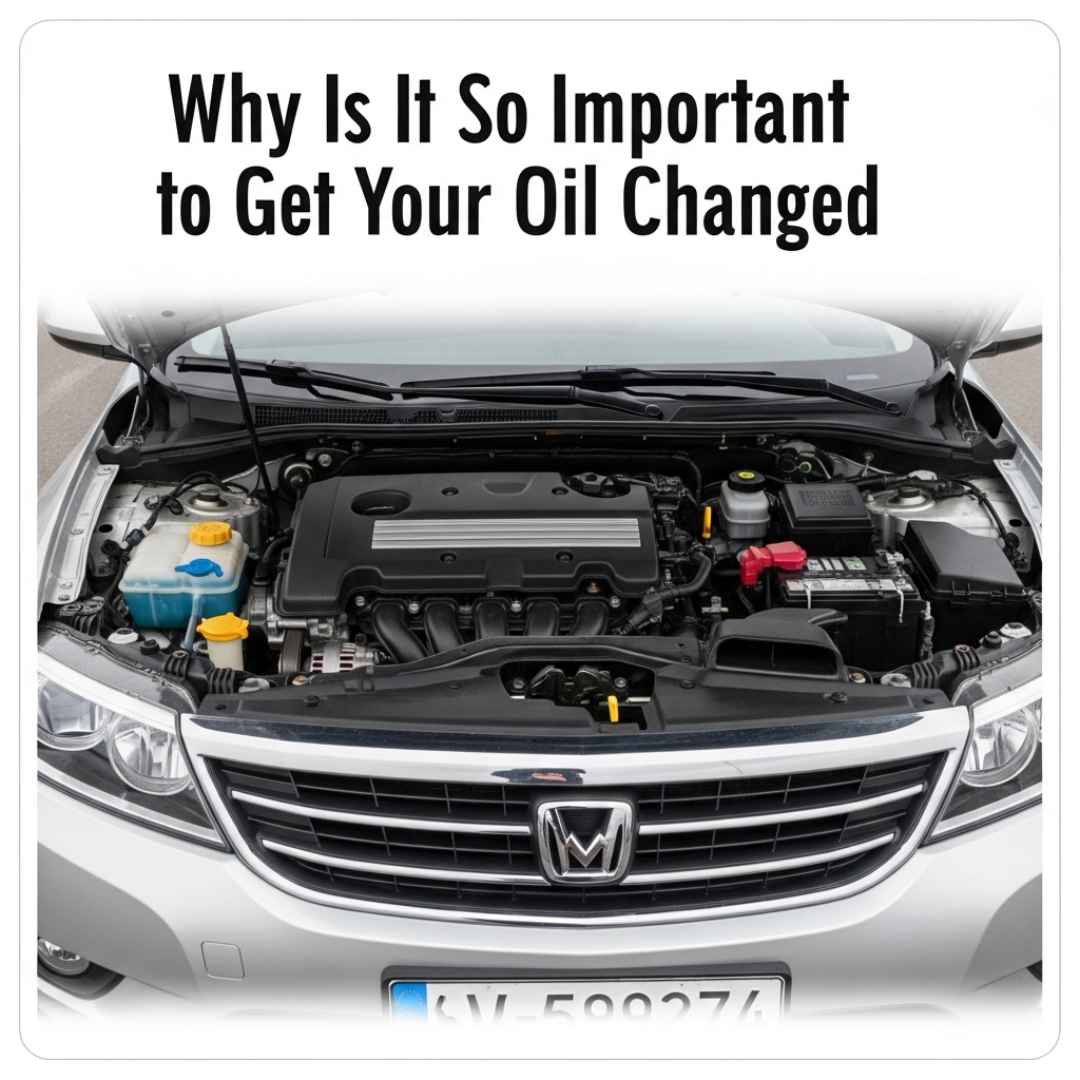
Getting your engine oil changed is very important for your car. Imagine your body’s oil as blood. It helps with engine lubrication, reduces heat, and protects all the engine components. This is why vehicle maintenance is very high in vehicle maintenance. It is important that you always follow your car’s service schedule and do regular oil changes.
Clean oil helps with friction reduction, keeps parts moving smoothly, and improves engine performance. It also gives strong engine protection, improves vehicle reliability, and helps in breakdown prevention. If you ignore oil changes, your engine can get damaged due to wear and tear, and in bad cases, it can lead to engine seizure. That means your car can stop working completely, and car repair or even full replacement costs can be very expensive.
Doing regular oil changes is a simple type of preventive maintenance. It improves your vehicle’s lifespan, keeps your car in good condition, and supports better fuel efficiency and oil efficiency. It also helps with cost savings because small maintenance is always cheaper than big repairs. This is part of smart automotive care, a good maintenance routine, and true automotive responsibility.
So, How Often Should You Change Your Oil?
The best oil change frequency depends on your car and your driving habits. But a simple rule is:
- Change oil every 6 months or twice a year
- Or follow the mileage limit of about 7,500 to 10,000 kilometres for most modern engines
If you do rough driving, like high acceleration, stop-and-go driving, or heavy usage, then you should change oil sooner. Always check your owner’s manual and follow manufacturer guidelines, especially for a newer vehicle.
Good oil keeps your engine clean, supports smooth operation, and makes your car ready for the road (road readiness). It protects the lubrication system, improves vehicle durability, and keeps your engine healthy for a long time. This is key for long-term affordability and long-term savings.
Real-Life Example
One customer came to Shahsspaandtirelube after ignoring his oil change for a long time. He had a very busy driving style with short trips and traffic. As a result of dirty oil, the engine started making noises. When we checked, there was heavy damage starting inside the engine. After a proper oil change and service, the car improved, but he had to pay extra for repairs. If he had followed regular car servicing, he could have saved money.
📞 Book Now for your oil change at Shahs Spa and Tire Lube
Call: +1 (905) 805-1414 🚗
Take care of your car today for a smooth and safe drive tomorrow!
Do You Recommend Oil Changes Frequently?
The best oil change interval depends on your car, but a simple rule is:
👉 Change engine oil every 5,000 to 10,000 miles (8,000 to 16,000 kilometres)
👉 Or at least every 6 months, even if you don’t drive much
This is called your maintenance frequency, and it is part of your vehicle maintenance and service schedule. Always follow your manufacturer recommendations and check your owner’s manual, because every car model is different.
Modern engine technology and better oil chemistry mean that fully synthetic oil lasts longer than conventional oil. Synthetic oil gives better engine protection, improves engine performance, and increases vehicle reliability. It also slows down oil degradation and reduces engine wear, helping your engine lifespan.
But your driving habits also matter a lot:
- 🚗 Daily driving / highway driving → oil lasts longer
- 🚦 Short trips / stop and go traffic → oil breaks down faster
- 🛻 Harsh driving / off-road driving → needs earlier oil changes
If you have a Kia Forte 2017 (4 cylinder engine) or similar modern cars, oil monitoring systems can help. Many cars now have oil monitoring alerts or oil change reminders that tell you when service is needed.
⚠️ Important Problems if You Delay Oil Change
If you delay too much, oil consumption and oil burning can increase. Dirty oil can cause sludge buildup, leading to engine damage, oil leak, or even engine failure. Problems like oil pan damage or gasket/sealant leaks can also appear. This increases repair risk and expensive automotive repair costs.
That’s why preventive maintenance is always cheaper than fixing big engine problems later. Even something small like checking oil level regularly, adding oil when needed, and replacing a good oil filter makes a big difference. A cheap filter or poor oil quality can reduce protection.
💡 Simple Rule
Think of engine oil like water in your body:
- Clean oil = healthy engine
- Dirty oil = sick engine
So always change oil on time to protect your car and save money (cost saving vs high maintenance cost / oil change cost / oil service pricing).
Some people try DIY oil change using tools like a vacuum extractor, but many prefer service technician or dealership service for safety and proper automotive maintenance practices.
👨🔧 Real-Life Example
A customer with a Kia Forte 2017 came to shahsspaandtirelube. He was following long oil change intervals because someone told him “synthetic oil lasts very long.” But he mostly drove in city traffic with short trips. His oil became dirty, and the engine started losing performance.
When we checked, there was early oil degradation and risk of engine wear. After a proper oil change and filter replacement, his engine performance improved, and the car became smooth again. He learned that even good synthetic oil benefits only work if you follow correct timing.
👉 Change oil every 5,000–10,000 miles or 6 months, depending on driving
👉 Follow your owner’s manual for exact timing
👉 Adjust based on your driving habits
📞 Book Your Oil Change Now at shahsspaandtirelube
Call: +1 (905) 805-1414 🚗
Factors That Affect Oil Change Frequency
The oil change frequency depends on many important things like your engine oil, driving habits, and your car’s vehicle technology. It is not the same for every vehicle, because every engine works differently and faces different driving conditions.
1. Vehicle Technology and Oil Monitoring Systems
Modern cars use advanced dashboard systems and vehicle computer systems to track oil health. The oil life monitor shows oil life percentage, which tells how healthy your oil is. This is part of smart vehicle technology and engine diagnostics.
When the oil life percentage goes down, it means oil degradation is happening. The system acts as a service reminder, maintenance indicator, and sometimes shows a warning message or oil change indicator on the vehicle dashboard.
However, this system checks oil condition, not oil amount. So you should still check oil manually using the dipstick reading. Always follow your owner’s manual and manufacturer recommendation for the correct oil change schedule and mileage interval or time interval.
2. Driving Conditions and Driving Style
Your driving conditions affect oil life a lot.
- Normal driving (highway, steady speed) = longer oil life
- Severe driving (stop and go traffic, short trips) = faster oil breakdown
Other tough conditions include:
- Towing heavy load
- Carrying weight on rooftop rack
- Driving in mountainous terrain
- Driving on dusty roads or gravel roads
- Extreme heat or cold weather
These all increase engine wear, reduce lubrication, and affect engine performance. Bad driving habits can also increase oil degradation and reduce engine protection.
3. Oil Type and Oil Quality
[How often i need to change the oil] The type of motor oil also changes how often you need an oil change.
- Fully synthetic oil → lasts longer, better protection
- Synthetic blend oil → medium performance
- Conventional motor oil → needs more frequent changes
- High-mileage oil → for older engines with wear
Good oil formulation uses chemical engineering, balanced oil molecules, and strong motor oil additives. These help with oxidation resistance, rust protection, and better temperature performance.
Choosing the right viscosity rating, like low-viscosity oil, multi-grade oil, or resource-conserving oil, improves fuel economy oil and reduces friction.
4. Vehicle Age and Engine Condition
Your vehicle age and engine age matter too.
- Newer vehicles → longer intervals due to better systems
- Older vehicles → shorter intervals due to wear
- High engine degradation or oil burn-off means more frequent oil changes
- Problems like leaks also affect oil usage
Older engines may need more careful oil level check and frequent service.
5. Maintenance System and Service Schedule
Every car has a different maintenance schedule. Some use mileage-based service, others use smart oil system monitoring.
A proper vehicle maintenance behavior includes:
- Regular oil level check
- Following maintenance intervals
- Resetting oil change reset after service
- Doing proper oil life system reset by a technician service
Ignoring maintenance can lead to engine damage, warranty void, and expensive repair cost or high maintenance cost. That’s why preventive maintenance is very important for vehicle health and engine reliability.
Real-Life Example
[How often do you have to change the oil] A customer came to shahsspaandtirelube with a family car. He was driving mostly in city traffic with short trips and stop-and-go driving. He thought his oil was still fine because the dashboard didn’t show a warning message.
But when we checked, the oil life monitor was already low, and the oil had started breaking down. The engine was losing smoothness, and there was early engine wear.
After an oil change and proper service, the car became smooth again, fuel use improved, and engine performance came back to normal. He learned that even if the dashboard looks fine, real driving conditions matter.
Simple Summary
👉 Oil changes depend on:
- How and where you drive
- What oil you use
- How old your car is
- What your car system shows
Clean oil = happy engine 😊
Dirty oil = weak engine 😟
📞 Book Your Oil Change Now at shahsspaandtirelube
Call: +1 (905) 805-1414 🚗
How to Extend Time Between Oil Changes
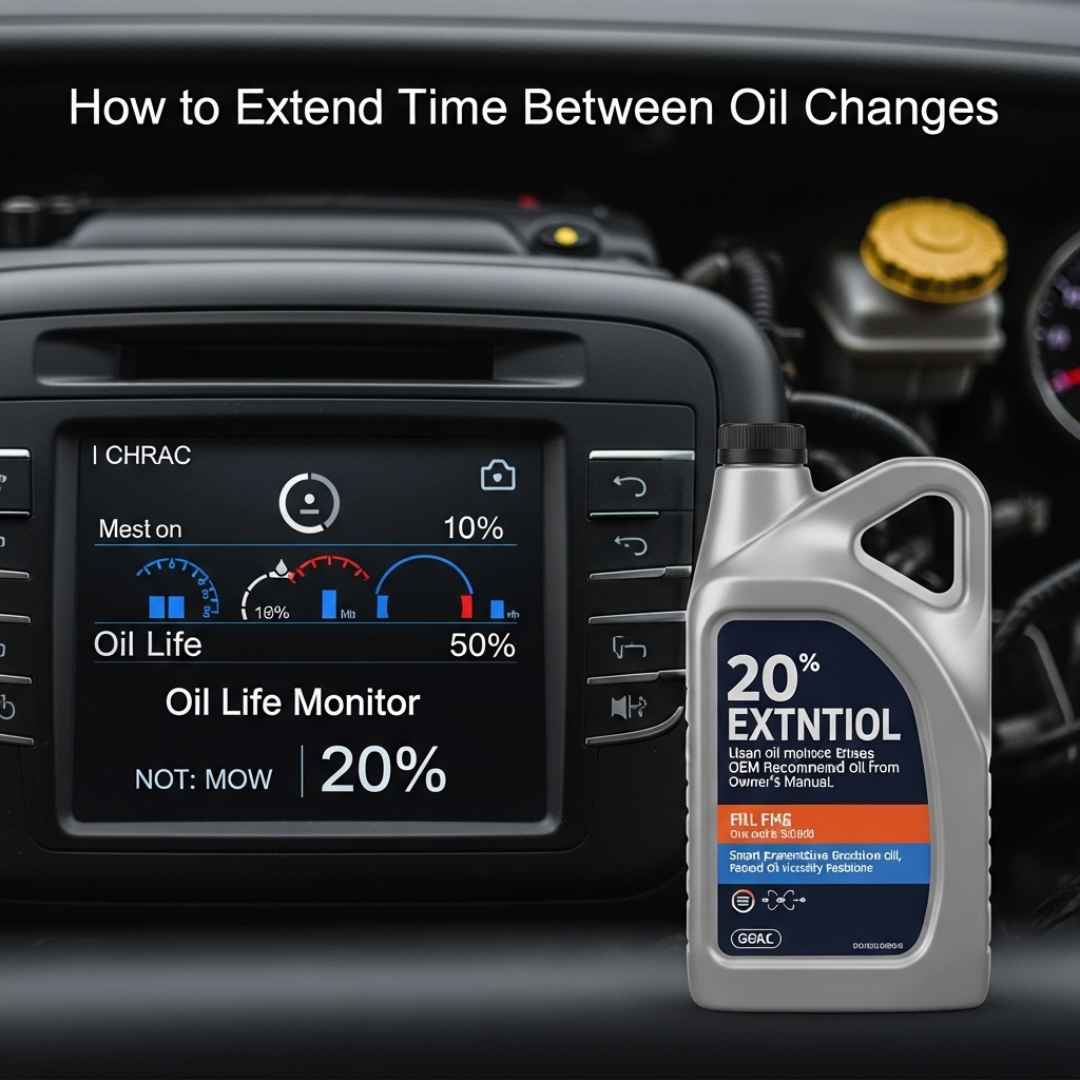
You can increase time between oil changes (oil change extension) by taking care of your engine oil and improving your driving habits. Clean motor oil lasts longer when your driving style is smooth, with smooth acceleration, steady speed, and less stop-and-go traffic or short trips. Long distance and highway driving are better because they help maintain proper engine lubrication, reduce engine wear, and improve engine performance.
Modern cars use an oil life monitor, which shows oil life percentage through your vehicle maintenance system. This oil monitoring tool tracks oil quality, not oil quantity. But you should still do a regular oil check routine, using the oil dipstick, especially at fuel stops. This is part of smart preventative maintenance for better engine health and vehicle reliability.
Using the correct synthetic oil, conventional oil, or oil blend based on OEM recommended oil from your owner’s manual also helps extend oil life. Proper oil type, oil weight, and oil volume improve lubrication efficiency, reduce oil breakdown, and slow engine sludge formation.
Good oil with strong oil additives and stable oil formulation helps with chemical stability and oxidation resistance, while reducing viscosity breakdown and keeping the engine clean.
Give Your Vehicle the Professional Care It Deserves at shahsspaandtirelube (Bolton, Ontario)
At shahsspaandtirelube, we provide full professional oil change service to improve engine protection, engine cleanliness, and engine reliability improvement. Our technician service includes:
- Full oil change interval service
- Proper oil filter replacement
- Safe used oil disposal for environmental safety
- Windshield cleaning and fluid top-off
- Reset of digital oil reset and maintenance reminder sticker
- Full engine system check for better performance
We follow manufacturer recommendation and vehicle manual instructions to protect your engine components and improve engine lifespan. This ensures proper preventative service, better fuel economy, and long-term cost saving by preventing expensive engine damage or engine sludge prevention issues.
Why Do Repair Shops Say I Should Change My Oil So Often?
Some quick lube or repair shop advice suggests frequent oil changes because they follow a quick lube service model. Their recommendation sometimes includes the old 3000 miles rule, which is a very strict maintenance category called severe driving service classification.
However, modern automotive technology and better synthetic oil durability mean most cars can safely go longer—often 7500 miles to 10000 miles under normal conditions. Sometimes this becomes maintenance upselling, so the best authority is always your owner’s manual, not just shop advice.
How Are Mileage-Based and Time-Based Oil Change Recommendations Calculated?
Oil changes are given in both mileage (kilometres) and time because engine oil naturally breaks down even when a car is not driven. This is called time-based maintenance.
Over time, oil degradation happens due to heat, moisture, and air exposure. This reduces oil viscosity, increases oil thickness changes, and weakens lubrication efficiency. Even with good oil quality tracking, oil can still lose strength.
That is why both mileage interval and service schedule / maintenance schedule are important for proper engine protection and engine system health.
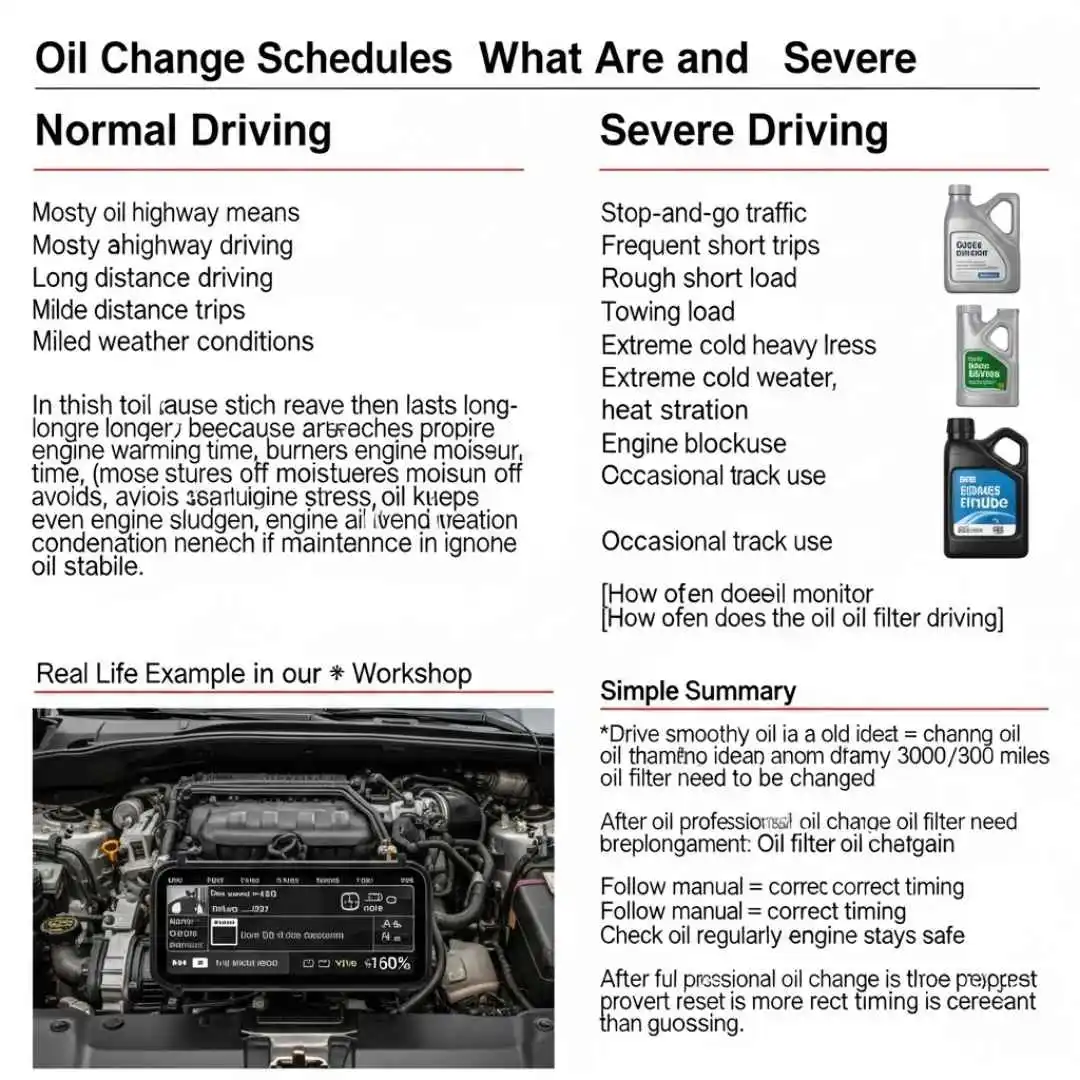
Oil Change Schedules: What Are “Normal” and “Severe”?
Normal Driving
Normal driving means:
- Mostly highway driving
- Steady speed driving
- Long distance trips
- Mild weather conditions
In this case, oil lasts longer because the engine reaches proper engine warming time, burns off moisture (moisture burn-off), and avoids condensation buildup. This reduces engine stress and keeps oil stable.
Severe Driving
Severe driving includes:
- Stop-and-go traffic
- Frequent short trips
- Rough roads or dusty roads
- Towing load or heavy load
- Extreme cold weather or heat stress
- Occasional track use
These conditions increase engine stress, reduce lubrication, and speed up oil breakdown. It can also cause faster engine wear, oil flow blockage, and even engine sludge formation if maintenance is ignored.
Real-Life Example in our Workshop
A customer came to shahsspaandtirelube in Bolton, Ontario with a family car. He was following the old idea of changing oil every 3000 miles, but he also sometimes delayed it too long because he thought modern cars don’t need frequent service.
He mainly drove in city traffic with short trips, which is actually severe driving. His oil became dirty, and the oil life monitor showed low oil life percentage. When we checked, the oil had started breaking down and engine performance was dropping.
[How often does the oil filter need to be changed] After a full professional oil change, oil filter replacement, and proper reset of the digital oil reset, his engine became smooth again. This showed him that correct timing is more important than guessing.
Simple Summary
👉 Drive smoothly = oil lasts longer
👉 Follow manual = correct timing
👉 Check oil regularly = engine stays safe
👉 Wrong timing = expensive repairs
📞 Book Your Oil Change Now at shahsspaandtirelube
Call: +1 (905) 805-1414 🚗
How Can I Check My Oil?
Checking your engine oil is very simple and very important for good vehicle maintenance and engine safety.
👉 First, park your car on flat ground and turn off the engine. Let the oil settle in the pan for a few minutes.
👉 Open the hood and find the dipstick. Pull it out and wipe it clean. Then insert it again and pull it out for a proper oil level check.
👉 This is called a visual inspection. You are checking both oil level check and oil condition.
What to Look For:
- Normal oil = smooth and amber color
- Low oil = needs oil top-off
- Cloudy oil or frothy oil = possible coolant leak or head gasket problem
- Metal particles or glittery oil = possible internal engine damage or lubrication failure
- Bad smell or thick oil = oil contamination or fluid mixing
These are warning signs of engine damage warning, engine lubrication issues, or engine performance issues. Ignoring them can lead to serious engine protection failure and costly repairs.
Regular checking based on your driving habits (at least once a month) helps with preventive maintenance, better engine reliability, and avoids sudden breakdowns.
How To Get Your Oil Tested
If your oil looks strange or you are unsure about its oil condition, you can do an oil analysis (also called oil testing).
This is a professional engine diagnostics method that tells you the real health of your engine oil. Companies like Blackstone Laboratories provide oil testing and send you an oil condition report.
Simple Steps:
👉 Step 1: Warm the engine
Start your car so the engine oil circulation improves. Warm oil flows better through the lubrication system.
👉 Step 2: Take an oil sample
Open the oil drain plug and collect oil during the middle flow. This is called mid-flow sampling. Use a clean container for sample collection.
👉 Step 3: Seal the sample properly
Place the oil sample in a sealed bag with absorbent material. This prevents leaks during shipping.
👉 Step 4: Send it for testing
This is called postal shipment oil sample. Follow safety and USPS regulations when packaging and shipping.
👉 Step 5: Get report
You will receive a diagnostic report showing oil degradation, contamination detection, and engine health results.
This helps you make better maintenance planning, avoid unnecessary oil change procedure, and save money through service cost savings. It also helps with repair prevention and improves long-term engine reliability.
Real-Life Example (Simple Story)
A customer came to shahsspaandtirelube because his car felt weak and noisy. He checked the dipstick and saw slightly cloudy oil but ignored it. After some time, the engine performance got worse.
We did a proper mechanical inspection and suggested an oil analysis. The report showed early coolant mixing and a possible head gasket issue causing fluid contamination.
Because he caught it early, we fixed the problem before it became full internal engine damage. If he had ignored it longer, the repair cost would have been very high.
Simple Summary
👉 Check oil using dipstick every month
👉 Look for color, level, and smell
👉 Send oil for testing if it looks strange
👉 Clean oil = healthy engine
👉 Dirty oil = danger for engine
📞 Now is the time to schedule your oil change & service at Shahs Spa & Tire Lube
Call: +1 (905) 805-1414 🚗
Why Is Motor Oil So Important?
Motor oil / engine oil is very important because it keeps your engine alive and healthy. When your car runs, many parts move fast and create heat, engine friction, and pressure. Oil works like a protector. It helps engine lubrication, reduces heat, improves engine cooling, and keeps everything moving smoothly.
Good oil improves engine performance, protects engine wear, and prevents engine damage. It also keeps the engine clean by removing dirt particles, improving engine cleanliness, and preventing oil sludge. If oil becomes old, it loses its oil viscosity, becomes thick, and cannot protect the engine properly. This leads to poor engine protection and shorter engine lifespan.
How Frequently Should You Be Changing Your Oil?
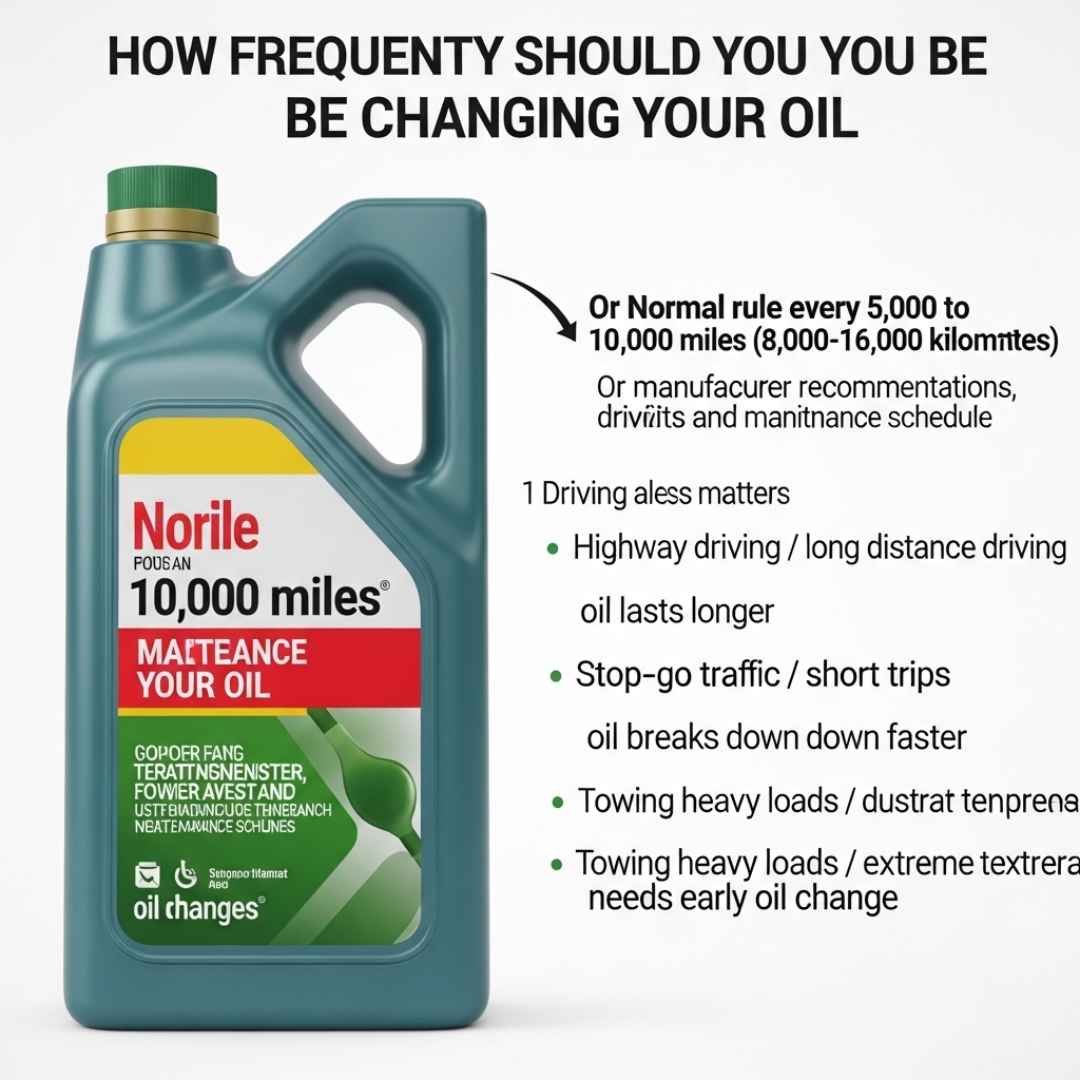
The correct oil change frequency depends on your vehicle maintenance, driving habits, and driving conditions.
👉 Normal rule:
- Every 5,000 to 10,000 miles (8,000–16,000 kilometres)
- Or based on your service schedule and maintenance schedule
Your manufacturer recommendations and owner’s manual are the most accurate guide because every vehicle make and model is different.
Driving also matters:
- Highway driving / long distance driving → oil lasts longer
- Stop-and-go traffic / short trips → oil breaks down faster
- Towing heavy loads / dusty roads / extreme temperatures → needs early oil change
This is called preventive maintenance using both mileage-based maintenance and time-based maintenance.
How Often Should You Change Your Synthetic Oil (In Months)?
Even if you don’t drive much, synthetic oil / synthetic motor oil still breaks down over time. This is called oil degradation.
👉 Simple rule:
- Change synthetic oil every 6 months
This helps maintain proper oil quality, prevents oil contamination, and keeps the engine protected. It also supports stable oil circulation and reduces engine stress.
How Often Do You Need to Change The Oil If You Drive Less Than Average?
Even if you drive less, oil still gets old because of moisture buildup and contaminants.
👉 You should still change oil:
- Every 6–12 months
If a car sits too long, it can still develop oil sludge, moisture, and reduced oil quality. That is why oil change timing is important even without high mileage.
Using the oil life monitoring system and checking the oil life percentage helps track when service is needed.
Signs You Might Need an Oil Change
Your car gives warning signs when oil is bad:[How often i need to change the oil]
- Dirty oil / dark oil on dipstick
- Low oil level check needed
- Engine noise / knocking sound
- Burning smell from engine
- Exhaust smoke
- Oil warning light / check engine light
- Engine overheating
- Vibration or sluggish acceleration
- Reduced power or stalling
These signs show possible oil contamination, lubrication failure, or engine overheating risk. Ignoring them leads to engine damage.
Why Skipping Oil Changes Can Be a Big Problem
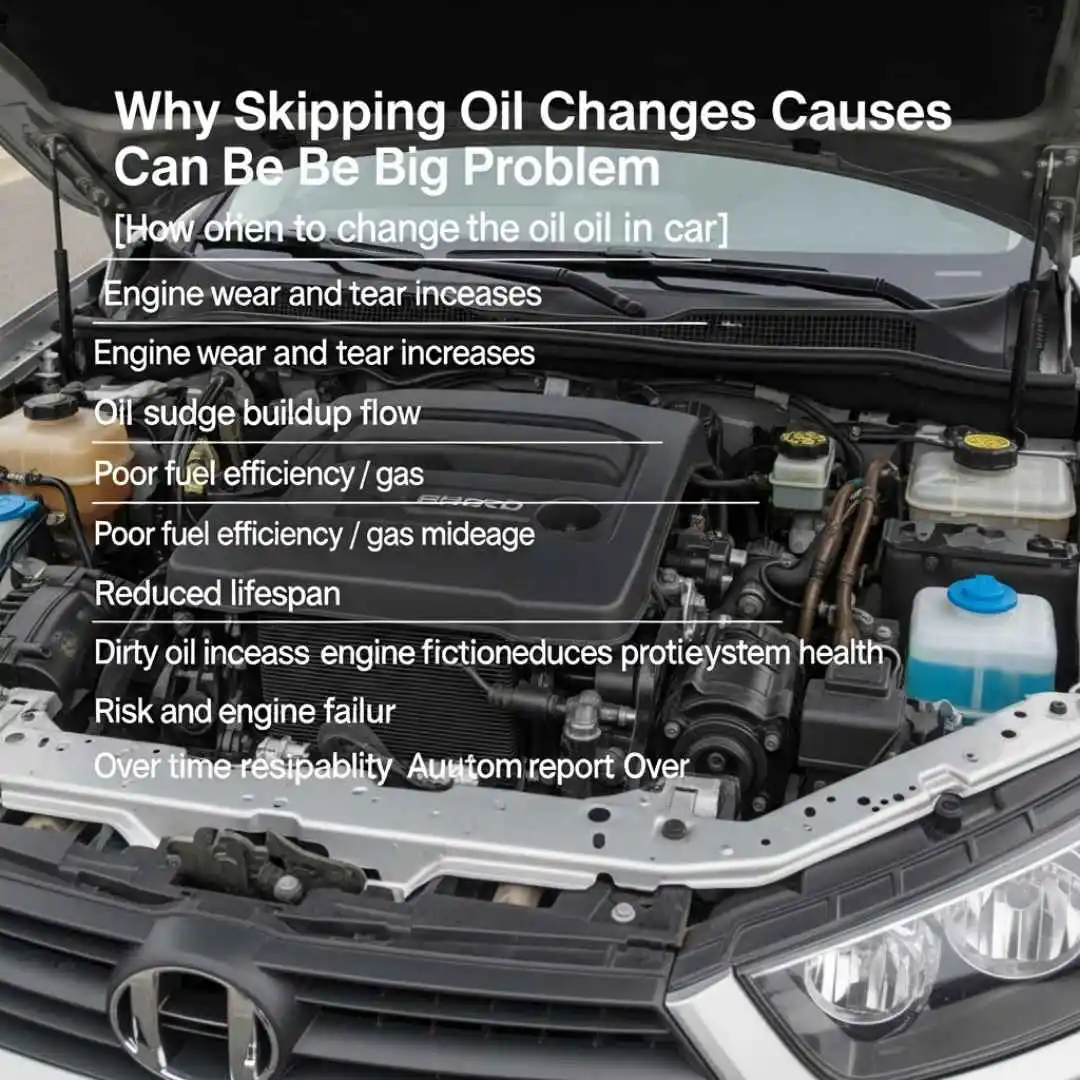
Skipping an oil change causes serious problems like:[How often to change the oil in a car]
- Engine wear and tear increases
- Oil sludge buildup blocks oil flow
- Poor fuel efficiency / gas mileage
- Reduced engine lifespan
- Higher repair cost and automotive repair
- Risk of engine failure
Dirty oil increases engine friction, reduces protection, and harms engine system health. Over time, this reduces vehicle reliability and overall vehicle health.
Let shahsspaandtirelube Help With Your Next Oil Change
At shahsspaandtirelube, we provide full professional vehicle maintenance for all types of cars, including Ford F-150, Ford Escape, and many other models.
Our certified technicians / Ford-certified technicians perform:
- Proper oil replacement
- Full vehicle inspection
- Accurate oil level check
- Engine oil monitoring
- Reset of oil monitoring alerts
- Complete preventive service
We also check engine diagnostics, oil condition, and ensure smooth engine performance and safe driving. Our service experts help improve fuel efficiency, reduce maintenance stress, and extend your engine lifespan.
This is part of smart automotive care, vehicle upkeep, and long-term maintenance planning.
Real-Life Example (Simple Story)
[How often do you have to change the oil] A driver came to shahsspaandtirelube with a Ford vehicle. He mostly did short trips and stop-and-go driving in city traffic. He ignored oil changes because he thought the engine was fine.
Later, his car started showing engine noise, weak acceleration, and oil warning light. When we checked, the oil was very dirty with signs of sludge and low oil quality.
After a full oil change and proper service, his car became smooth again, fuel use improved, and engine noise disappeared. He realized that even small delays in oil service can cause big engine problems.
Simple Summary
👉 Oil = engine life
👉 Clean oil = smooth car
👉 Dirty oil = engine damage
👉 Change oil on time = save money
📞 Book Your Oil Change Now at shahsspaandtirelube
Call: +1 (905) 805-1414 🚗
Types of Car Oil and When to Change Them
Types of Car Oil are very important because modern engines go through rigorous testing and must meet exacting standards, industry specifications, and manufacturer specifications to ensure long service life.
That is why oil must follow the SAE viscosity grade set by the Society of Automotive Engineers and must meet performance standards from the American Petroleum Institute with API certification, the International Lubricant Specification Advisory Committee with ILSAC standards, and the European Automobile Manufacturers Association with ACEA standards.
Auto repair shop recommendations also help choose the correct oil specifications for each vehicle.
Conventional Oil
Conventional Oil or conventional motor oil is made from refined crude oil. It works well in normal service conditions and is a cheaper oil option, but it has faster engine oil degradation. Because of this, its oil change frequency is usually around five thousand miles interval. It is best for simple daily driving but not for extreme conditions.
Synthetic Oil
Synthetic Oil is a lab-created oil made through synthetic oil manufacturing using chemical ingredients and engineered for better performance. It gives impurity reduction, sludge prevention, better thermal stability, viscosity performance, high temperature resistance, low temperature flow, and strong engine lubrication. It is best for severe driving conditions, high-performance engines, high-mileage engines, and older engine protection because it helps prevent engine damage.
It is more expensive but lasts longer, usually with an interval of 10,000 to 15,000 miles. It may also require air filter replacement for dust control, debris protection, and engine contamination prevention.
Semi Synthetic Oil
Semi-synthetic oil or synthetic blend oil is a mixed oil composition of conventional and synthetic oil. It gives balanced performance, better price efficiency, and a moderate oil change cycle of about six thousand miles.
Real Life Experience
At Shahsspaandtirelube, a customer came with a noisy engine and low performance. After inspection, we found old and dirty oil affecting engine lubrication. We changed the oil with the right type, and the engine became smooth again with better pickup. The customer was very happy and said it felt like driving a new car.
Book now at Shahs Spa and Tire Lube or call +1 (905) 805-1414 for professional oil change service and complete engine care.
How to Check Your Oil Level
Oil level checking is very easy. First park your car on flat ground and turn off the engine. Open the hood and pull out the dipstick. Clean it, put it back, and remove it again for dipstick reading. This helps you see the oil level clearly. Always check oil consistency and oil smell inspection at the same time.
Good oil looks amber oil condition, while dark oil condition means it is dirty and needs change. Monthly oil check is a good engine maintenance routine to keep the vehicle safe.
What Happens If You Don’t Change Your Oil?
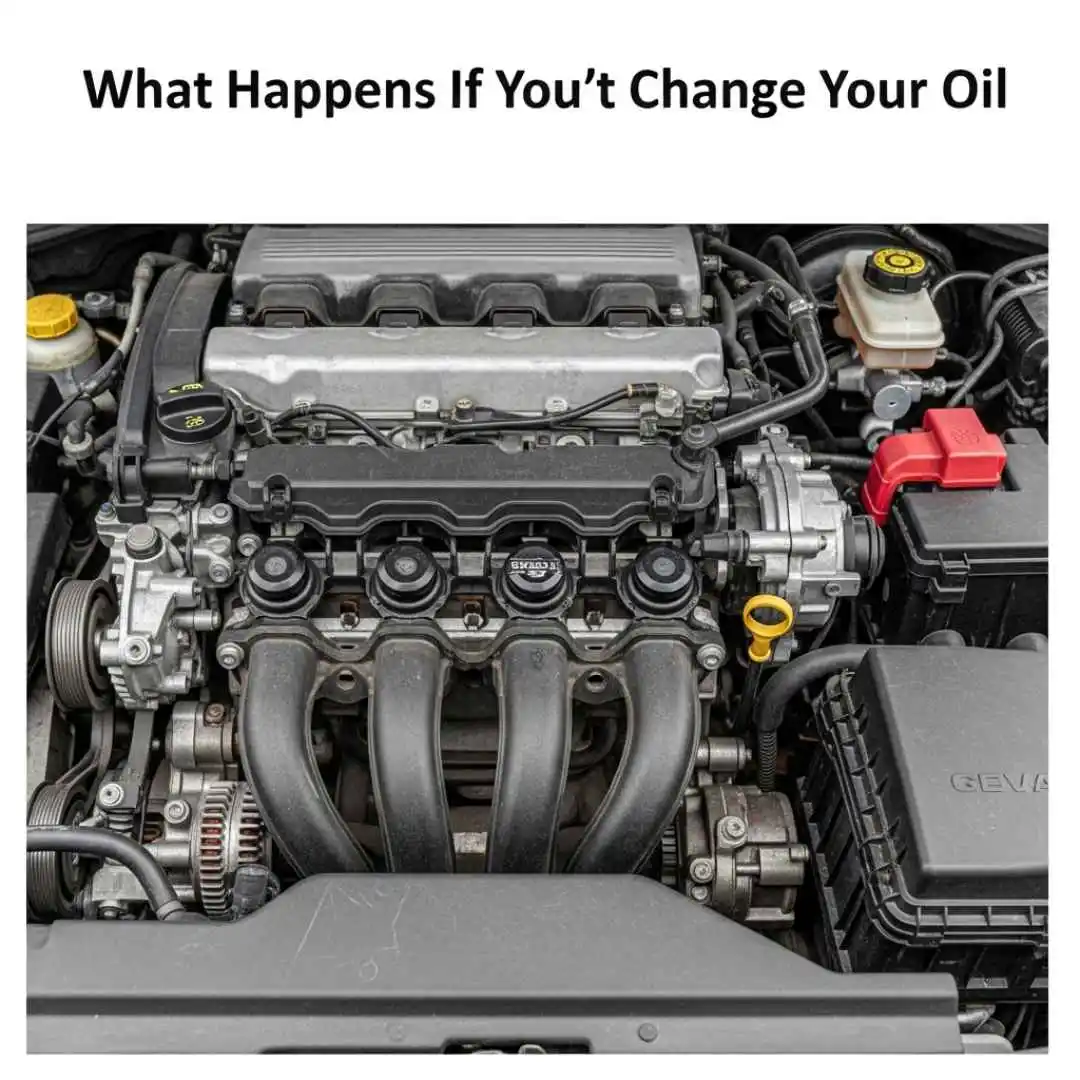
If you ignore oil change interval, the engine starts losing engine protection. Friction reduction becomes weak, wear and tear prevention fails, and cooling function reduces. This can lead to engine overheating risk, engine damage risk, and even warranty void risk.
Dirty oil also causes sludge formation, which blocks oil circulation flow and reduces engine component protection. Over time, fuel efficiency reduction happens and the engine can stop working properly.
Engine Oil Maintenance Tips
Good engine oil maintenance is simple but important. Always follow your vehicle service schedule and change oil on time, especially for high performance engines, high mileage engines, severe driving conditions, and older engine protection needs. Regular air filter replacement helps dust protection and prevents debris contamination.
Always check oil color inspection, oil consistency check, and oil smell inspection during service. Clean oil ensures better lubrication properties and smooth engine operation.
One real life experience at shahsspaandtirelube workshop: a customer came with engine noise and poor performance. After checking, we found very dark oil with poor flow. We changed the oil and did full maintenance. The engine became smooth again and fuel performance improved. The customer said it felt like a brand new car.
Book now at shahsspaandtirelube or call +1 (905) 805-1414 for professional oil change and complete engine care.
Frequently Asked Questions (FAQs)?
How often do you need to change the oil?
In modern vehicles, oil change frequency depends on synthetic oil or conventional oil, your driving habits, and manufacturer recommendations. Usually, synthetic oil lasts 7,500–10,000 km or more, while conventional oil needs earlier changes around 5,000 km. Severe driving conditions like stop-and-go traffic, towing, extreme temperatures, short trips, and dusty conditions can reduce the oil change interval.
Always follow the owner’s manual, oil life monitor, or dashboard alert for correct service reminder. This helps prevent oil degradation, sludge buildup, lubrication breakdown, and protects vehicle health, engine protection, and fuel efficiency.
How long will 1 litre of engine oil last?
1 litre of engine oil does not have a fixed time because it depends on engine wear, oil viscosity, driving conditions impact, and oil performance. In some cases, it may last a few thousand km as top-up oil, but in high mileage usage or severe driving conditions, it can be used faster. Always check oil level using oil monitoring system or dipstick and follow preventive maintenance for engine reliability and cost saving.
Is every 4 months good for oil change?
Yes, for most cars, changing oil every 4–6 months is safe time based maintenance, even if mileage is low. This helps avoid oil oxidation, thermal breakdown, and oil contamination. It is a good oil change best practice for better engine protection and repair prevention.
Is it good to change oil every 5000 km?
Yes, 5000 km is a safe mileage based maintenance rule, especially for conventional oil or city driving. It helps reduce engine wear, oil degradation, and improves engine reliability. It is very useful in stop-and-go traffic and short trips.
Is 10,000 km too long for an oil change?
No, 10,000 km is normal for modern vehicles using synthetic oil with good oil life calculation and oil monitoring system. But if you drive in severe driving conditions, towing, or dusty areas, the service interval should be shorter. Always check manufacturer recommendations for best results.
Conclusion:How Often to Change the Oil
Changing engine oil on time is very important for every car. Clean oil keeps your engine safe, smooth, and strong. It helps reduce heat, protects engine parts, and improves fuel efficiency. If you use the right oil and follow the correct oil change schedule, your car will run better and last longer.
Always check your oil regularly using the dipstick and follow your car’s manual for the right time to change it. Never ignore dirty or low oil because it can damage the engine and cost a lot of money.
Think of oil like blood for your car—clean oil means a healthy car, dirty oil means a sick car.
For safe and professional oil change service, visit shahsspaandtirelube or call +1 (905) 805-1414.
Leave a Reply