



Brake pads are one of the most important parts of a vehicle’s brake system because they create the friction needed to stop your car safely. Yet many drivers in Bolton, Ontario, wait until they hear grinding noises before checking their brakes — and by then, expensive rotor damage may already be happening.
Learning how to check brake pads at home can help you catch problems early, improve stopping performance, and avoid costly repairs. Whether you want to know how to check brake pads without removing the wheel, how to inspect brake pads visually, or how to tell if brake pads are worn, Drivers will find everything they need to know in this complete guide.
At Shahsspaandtirelube, we help drivers across Bolton, Ontario perform professional brake inspections, brake pad replacements, rotor checks, and complete brake safety services. If your brakes feel unsafe or worn, Book Now for a full inspection before minor wear turns into major repair costs.
What Are Brake Pads and Why Are They Important?
Brake pads press against the brake rotors whenever you press the brake pedal. This friction slows the wheels and safely stops the vehicle.
Over time, heat and friction gradually wear down the brake pad material. That’s why knowing how to check brake pad wear, how to check brake pad life, and how to check if brake pads need replacing is essential for every vehicle owner.
Worn brake pads can cause:
- Longer stopping distance
- Brake squealing
- Grinding noise
- Brake vibration
- Rotor scoring
- Uneven brake wear
- Brake warning lights
- Reduced emergency braking performance
Drivers searching for:
- Checking brake pads on a car
- How to check brake pads in a car
- How to check your brake pads
- How to check your own brake padsThey They
are usually trying to avoid dangerous braking issues before they become expensive repairs.
For a professional brake inspection, visit Shahsspaandtirelube in Bolton, Ontario, and Book Now.
Common Signs Your Brake Pads Are Worn
Before learning how to visually check brake pads, you should understand the warning signs of worn brake pads.
Common Brake Pad Wear Signs
- Squeaking or squealing brakes
- Grinding sounds while braking
- Pulsating brake pedal
- Longer stopping distances
- Brake warning lights
- Excessive brake dust
- Vehicle pulling during braking
- Vibration when slowing down
Many drivers ask:
- Checking brake pads for wear
- How to check if your brake pads are worn
- How to check worn brake pads
- What to look for when checking brake pads
These symptoms are often the first clue your brake system needs attention.
Grinding noise is especially dangerous because it usually means the brake pad friction material is gone, and metal is scraping directly against the rotor.
If your vehicle is making grinding sounds, Book Now at Shahsspaandtirelube in Bolton, Ontario, before rotor replacement becomes necessary.
How Thick Should Brake Pads Be?
One of the most searched questions is how to check brake pad thickness and how thick brake pads should actually be.
New brake pads are typically:
- 10–12 mm thick
Brake pads should usually be replaced around:
- 3–4 mm
Unsafe brake pads are:
- Below 2 mm
Here’s a quick brake pad thickness guide:
| Brake Pad Thickness | Condition | Recommended Action |
|---|---|---|
| 10–12 mm | Excellent | No service needed |
| 6–8 mm | Good | Monitor condition |
| 4–5 mm | Moderate wear | Plan replacement soon |
| 2–3 mm | Worn out | Replace immediately |
| Below 2 mm | Unsafe | Emergency replacement |
Understanding:
- How to check brake pad depth
- How to check the thickness of brake pads
- How to check brake pad thickness at home
- How to check brake pads’ thickness without removing the wheel It
can help drivers prevent serious brake damage.
Without removing the wheel, check the brake pads
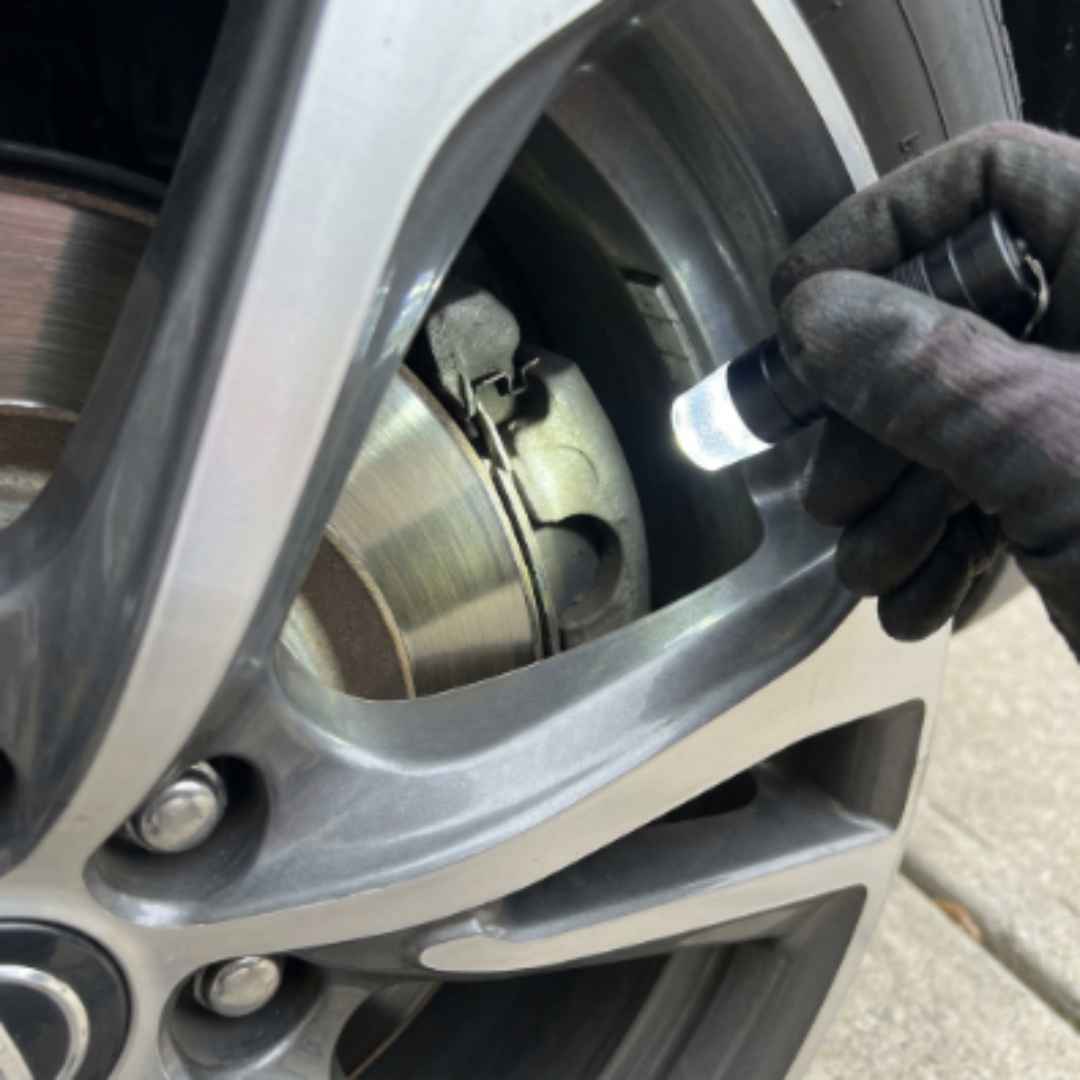
Many drivers want to know how to check brake pads without removing the wheel because it’s faster and easier.
You can often inspect brake pads visually without removing the tire or caliper.
This method is useful if you want to learn:
- Keeping brake pads in good condition without removing the tires
- How to check brake pads without taking the wheel off
- How to check brake pad wear without removing the wheel
- When the wheels are on, how to check the brake pads
- How to check brake pads without removing the caliper
Step 1: Park Safely
Before starting:
- Park on flat ground
- Turn off the engine
- Engage the parking brake
- Let the brakes cool completely
Step 2: Turn the Steering Wheel
Turn the wheel fully left or right to expose the brake assembly behind the wheel spokes.
Step 3: Locate the Brake Caliper
The brake caliper surrounds the brake rotor.
Inside the caliper window, you’ll see:
- Brake rotor
- Brake pad friction material
This is where drivers learn how to check brake pads visually and how to check brake pad condition.
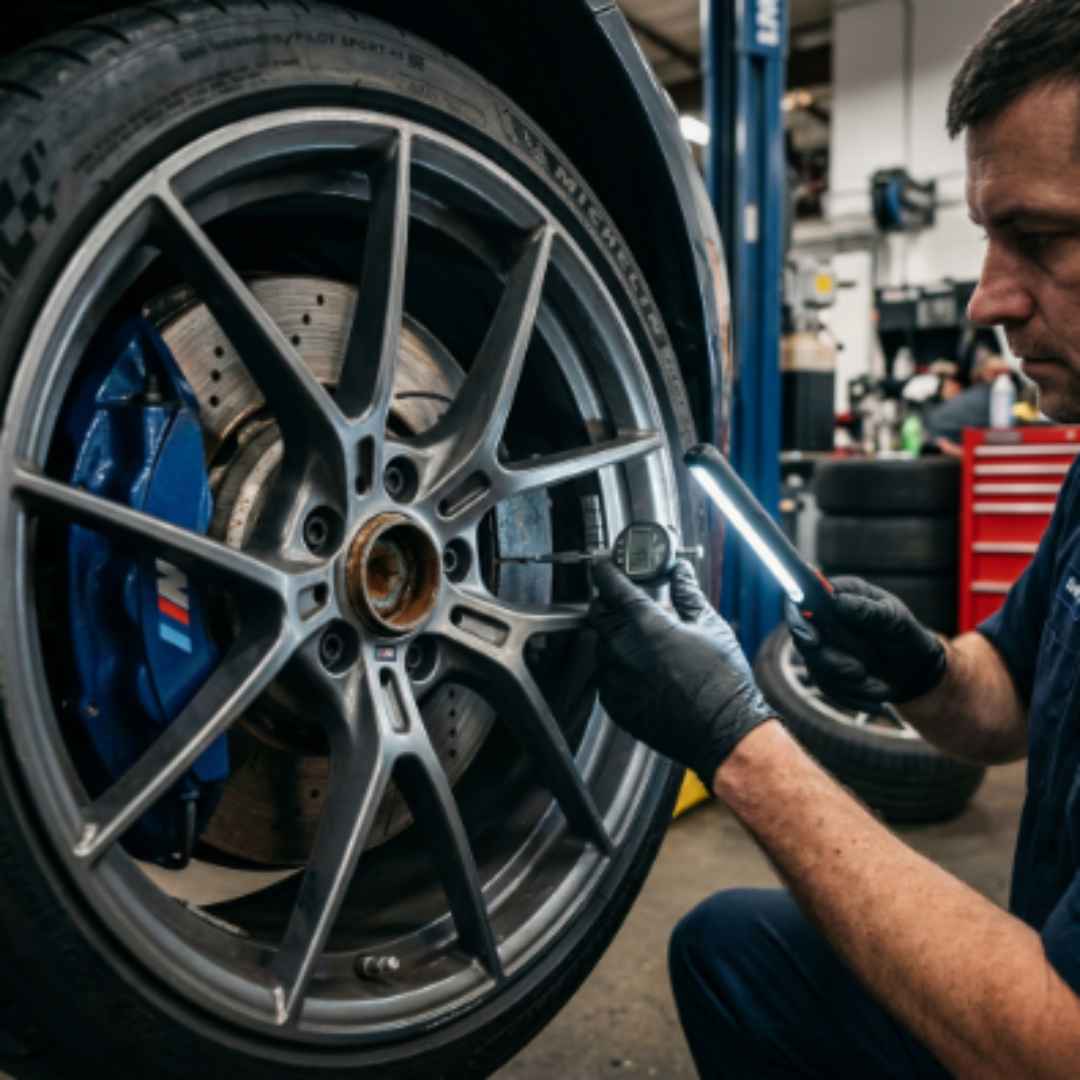
Step 4: Inspect Brake Pad Thickness
Use:
- Flashlight
- Phone camera zoom
- Brake pad gauge
You’re checking the thickness of the friction material — not the metal backing plate.
If the visible pad material appears under 3–4 mm, the brake pads may need replacement.
This method helps answer:
- How to visually check brake pads
- Checking the remaining brake pad life
- How to check the brake pad wear indicator
If you’re unsure about the condition, Book Now with Shahsspaandtirelube in Bolton, Ontario for a full brake safety inspection.
How to Check Brake Pads by Removing the Wheel
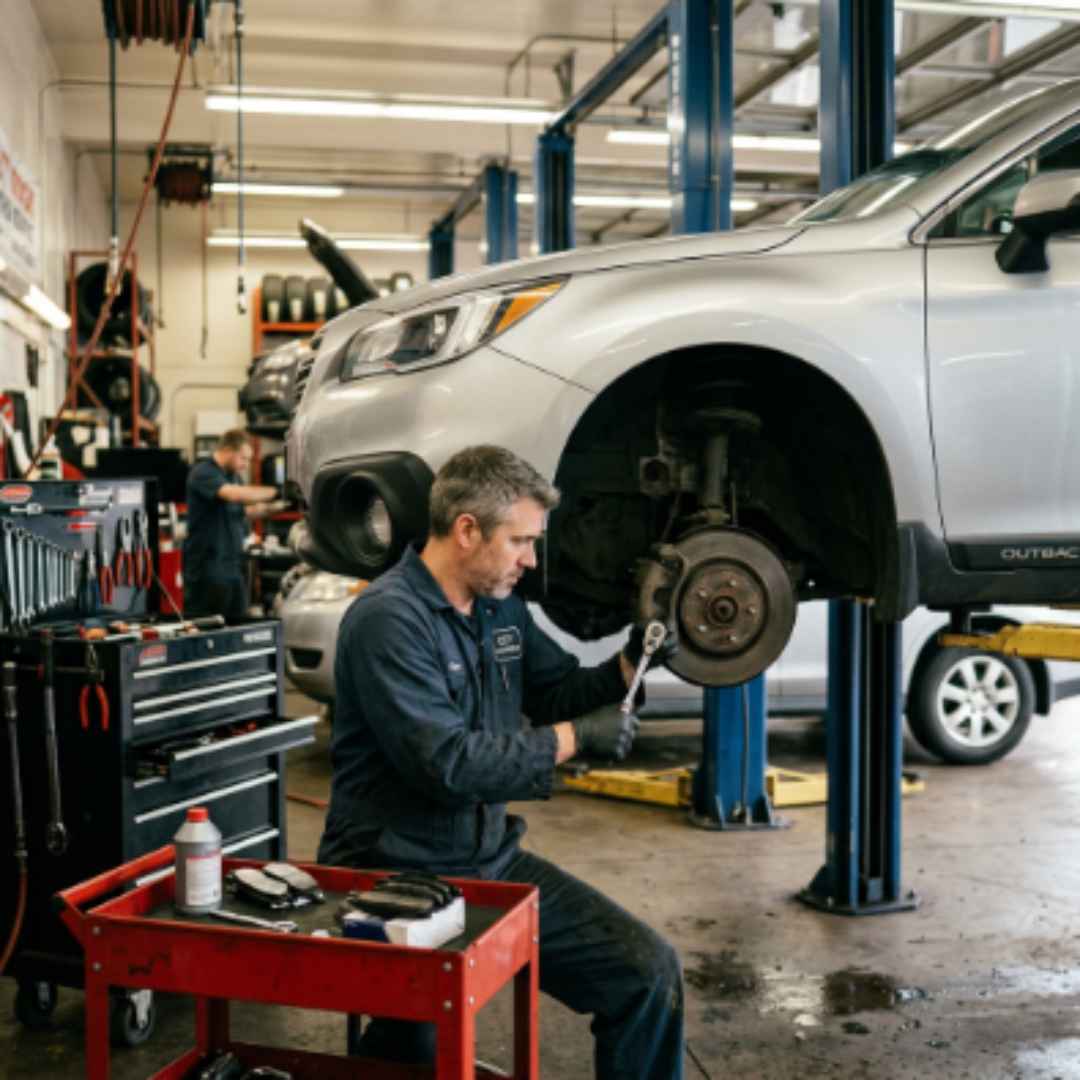
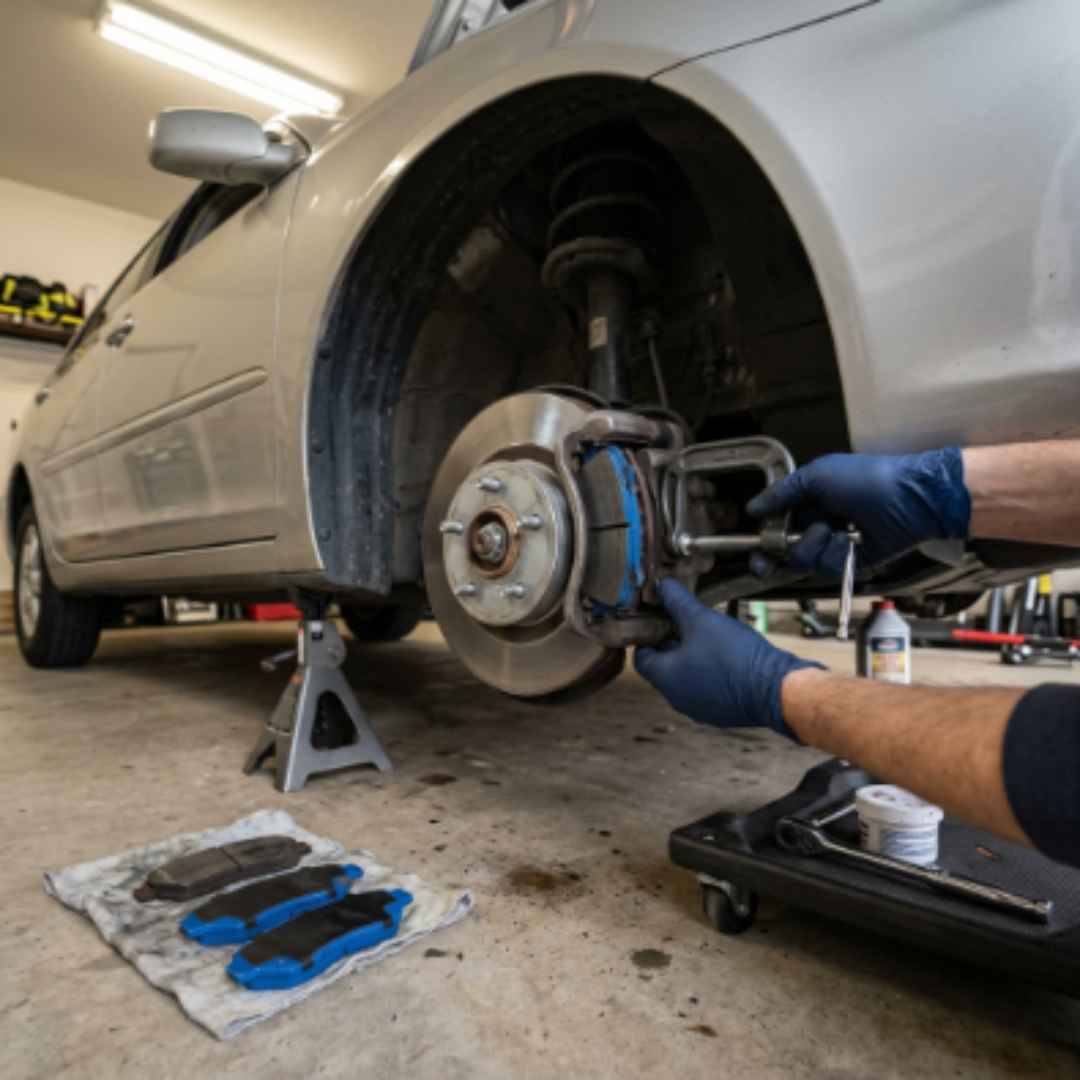
For the most accurate inspection, remove the wheel completely.
This process is ideal for drivers searching:
- How to check brake pads and rotors
- How to check your brake pads and rotors
- How to check front brake pads
- How to check rear brake pads
- How to check inner brake pads
- How to check brake pads with a caliper
Tools Needed
- Vehicle jack
- Jack stands
- Lug wrench
- Flashlight
- Gloves
- Torque wrench
- Brake pad gauge
Step-by-Step Brake Inspection
1. Loosen Lug Nuts
Loosen the wheel lug nuts before lifting the vehicle.
2. Raise the Vehicle Safely
Always use jack stands. Don’t rely solely on hydraulic jacks.
3. Remove the Wheel
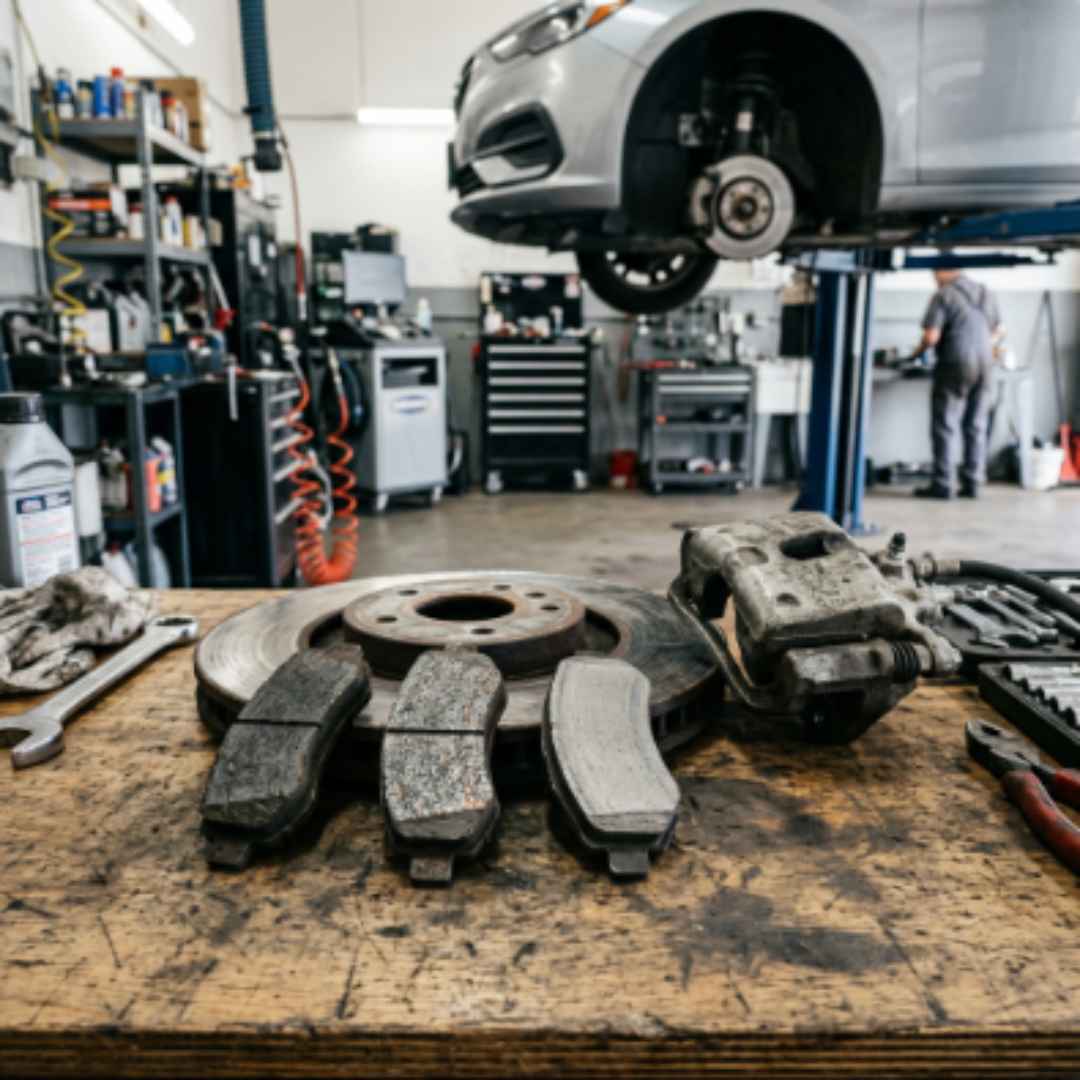
Now you can inspect:
- Brake pads
- Brake rotors
- Brake calipers
- Brake lines
- Disc brakes
4. Inspect Both Brake Pads
Check for:
- Thin friction material
- Uneven brake wear
- Cracks
- Glazing
- Contamination
Inner brake pads often wear faster than outer brake pads.
5. Check Brake Rotors
Inspect for:
- Deep grooves
- Heat spots
- Rotor scoring
- Cracks
- Uneven rotor surfaces
Drivers asking how to check brake pads and rotors should always inspect both parts together because damaged rotors can ruin new brake pads quickly.
If you notice uneven wear or severe rotor damage, Book Now at Shahsspaandtirelube in Bolton, Ontario for expert brake repair service.
How Often to Check Brake Pads
Many drivers ask:
- How often to check brake pads
- How often should brake pads be checked
Most mechanics recommend brake inspections:
- Every 10,000–15,000 miles
- During tire rotations
- At oil changes
- Before long road trips
- Before the Canadian winter driving season
Driving conditions heavily affect brake lifespan.
Brake pads wear faster if you:
- Drive in stop-and-go traffic
- Too heavy loads
- Brake aggressively
- Drive in the mountains
- Carry heavy cargo regularly
Brake Pad Lifespan by Type
Different brake pad materials have different lifespans and performance levels.
| Brake Pad Type | Average Lifespan |
|---|---|
| Organic Brake Pads | 20,000–40,000 miles |
| Semi-Metallic Brake Pads | 30,000–50,000 miles |
| Ceramic Brake Pads | 40,000–70,000 miles |
Vehicle brands like Toyota, Honda, Ford, Chevrolet, and Tesla may also have different brake service intervals.
Tesla regenerative braking systems can reduce brake wear, but drivers still need regular brake inspections.
The Best Way to Check if You Need New Brake Pads
You likely need new brake pads if:
- Pad thickness is below 3 mm
- You hear grinding noises
- The brake warning light appears
- Braking feels weak
- Rotors show scoring
- The brakes vibrate while stopping
Drivers often search:
- How to check if your brake pads need replacing
- How to check if you need new brake pads
Ignoring these symptoms can lead to costly brake rotor replacement.
If your brakes feel unsafe, Book Now at Shahsspaandtirelube in Bolton, Ontario, for a complete brake inspection.
Brake Wear Indicators and Modern Brake Systems
Modern vehicles may include:
- Electronic brake wear sensors
- ABS system monitoring
- Dashboard brake warning lights
- Smart brake life monitoring systems
However, technology is not always perfect.
Drivers should still learn:
- How to inspect brake pads
- How to check brake pad condition
- How to check the brake pad wear indicator
because physical inspections remain the best way to detect uneven wear and hidden brake problems.
DIY Brake Inspection vs Professional Brake Service
DIY brake inspections are helpful for routine maintenance, but professional inspections are important when you notice:
- Soft brake pedal
- Brake fluid leaks
- ABS warning lights
- Severe grinding
- Burning smells
- Uneven braking
- Rotor vibration
At Shahsspaandtirelube, our technicians perform complete brake safety inspections in Bolton, Ontario including:
- Brake pad inspection
- Rotor measurements
- Brake fluid checks
- Caliper inspections
- ABS system checks
- Brake wear analysis
Book Now to keep your braking system safe and reliable year-round.
FAQ: How to Check Brake Pads
How long does it take to check brake pads?
A visual brake inspection usually takes 10–15 minutes. A complete inspection with wheel removal may take 30–45 minutes, depending on vehicle condition.
Can I inspect brake pads myself?
Yes. Many drivers can safely learn how to check brake pads at home using a flashlight and basic tools. However, serious brake problems should always be inspected professionally.
How do I check brake pad wear without removing the wheel?
You can inspect brake pads through the wheel spokes using a flashlight to view the caliper window and friction material thickness.
What are the signs that my brake pads are worn out?
Common signs include squealing, grinding, vibration, longer stopping distance, uneven braking, and visible thin brake pad material.
How do I check brake pads on a car safely?
Always park on level ground, use jack stands if lifting the vehicle, and inspect both brake pads and rotors carefully before driving.
Final Thoughts
Learning how to check brake pads is one of the smartest forms of preventive vehicle maintenance. Regular brake inspections improve safety, reduce repair costs, and help drivers avoid dangerous braking failures.
Whether you’re learning:
- How to check brake pads visually
- How to check brake pad thickness
- Without removing the wheel, how to check the brake pads
- How to check brake pads and rotors
- How to inspect brakes at home
Routine brake maintenance can significantly extend the life of your brake system.
If you need expert brake service in Bolton, Ontario, trust Shahsspaandtirelube for professional brake inspections, brake pad replacement, rotor service, and complete brake repair solutions.
Are you ready to ensure your safety and the safety of your vehicle?
Leave a Reply