If you are wondering how to repair a car tire, don’t worry—it’s simple if the damage is small and in the tread (middle part).
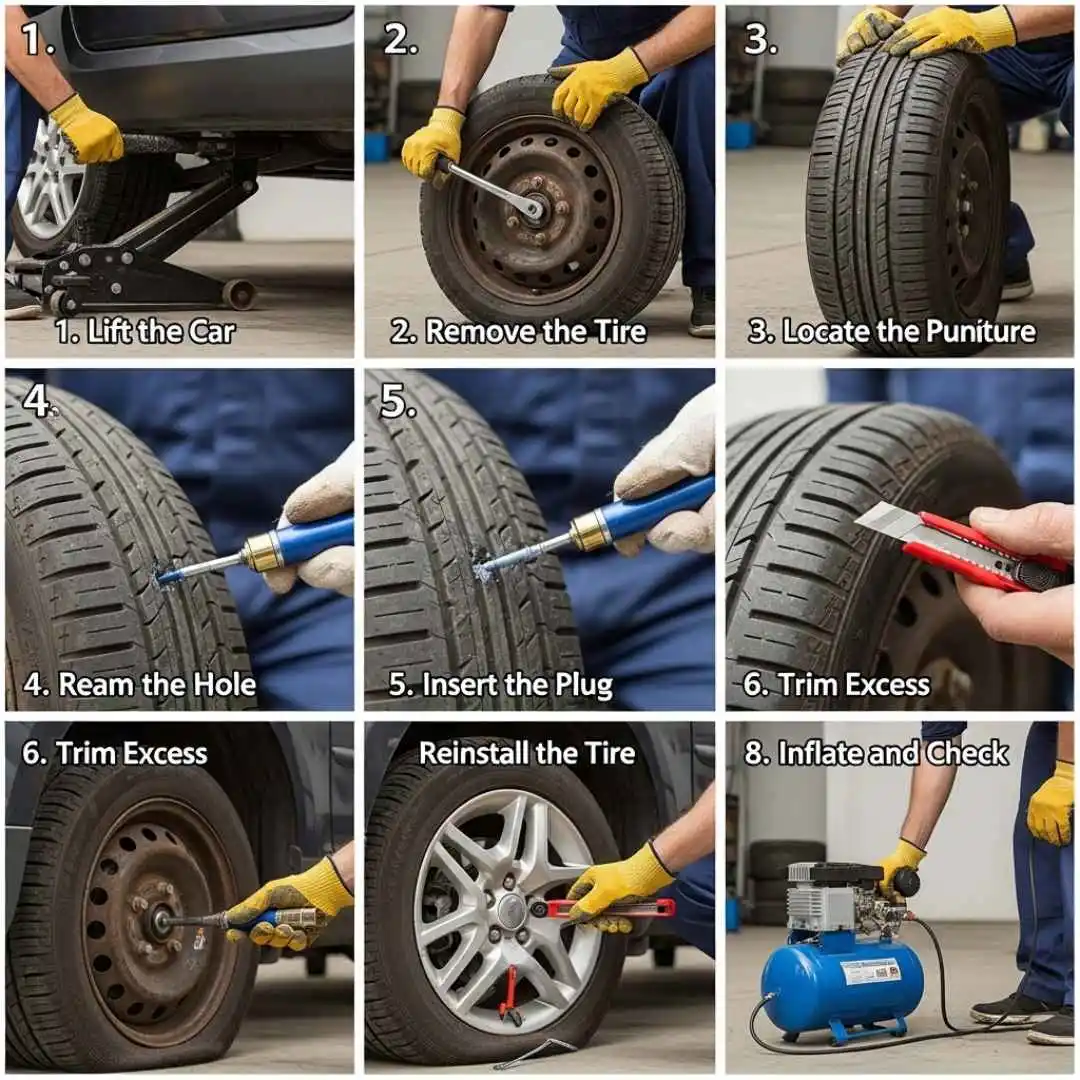
- Find the leak
Spray soapy water on the tire. Bubbles will show where the air is coming out. - Remove the object
Use pliers to pull out the nail or screw carefully. - Clean the hole
Use the rough tool (reamer) from your repair kit to clean the hole by moving it in and out. - Prepare the plug
Take the sticky rubber strip and place it into the insertion tool. - Insert the plug
Push the tool into the hole and leave a small part of the plug outside. - Remove the tool
Pull it out quickly. The plug stays inside and seals the hole. - Trim and inflate
Cut the extra rubber and fill the tire with air to the correct level. - Check again
Spray soapy water again. If no bubbles appear, your repair worked.
👉 Important tip:
When learning how to repair a car tire, remember you can only fix damage in the tread. If the sidewall is damaged, you must replace the tire for safety.
Real-life experience
A driver once noticed his tire getting flat every morning. He learned how to repair a car tire using a small kit. After removing a tiny nail and adding a plug, the tire worked perfectly again. He saved money and avoided buying a new tire.
Damaged Car tires: What causes them
Car tires don’t get damaged for no reason—there’s always a clear cause behind it. Understanding these causes makes DIY tire repair easier and safer. The most common issue is a tire puncture, usually caused by sharp objects like nails, screws, or broken glass. These are types of road hazards, often called road debris, and when your tire rolls over them, they pierce the rubber and slowly release air.
According to the U.S. Tire Manufacturers Association, most punctures happen in the tread area, which is the middle part of the tire and is usually safe to repair if handled properly.
Another big cause is driving on rough roads. Potholes, broken streets, and uneven surfaces put stress on your tires, just like walking barefoot on stones hurts your feet. Over time, this pressure weakens the tire and can cause cracks or sudden failure. Also, incorrect tire pressure—either too high or too low—can damage your tire faster. Think of it like a balloon: too much air and it bursts, too little and it becomes weak and unstable.
👉 Need quick help with a damaged tire? Book now with Shahsspanadtirelube or call +1 (905) 805-1414 for fast service.
Common Reasons for Tire Punctures
Most tire problems come from everyday driving situations. Small objects like nails and glass are the biggest reason behind a tire puncture, especially in busy areas or construction zones. These objects are not always visible, which makes them even more dangerous.
Driving habits also play a role. Fast driving over speed breakers or hitting curbs can damage the tire structure. Overloading your car puts extra pressure on the tires, increasing the chances of failure. Poor maintenance is another major reason—if you ignore regular checks, your tire becomes weak over time.
👉 Avoid bigger problems later—book now with Shahsspanadtirelube at +1 (905) 805-1414.
Signs Your Tire Needs Repair
Your car gives warning signs—you just need to notice them. If your car starts pulling to one side, it usually means one tire has lost air. You may also feel vibration in the steering wheel, which can indicate an uneven tire condition.
Visible damage is another clear sign. If you see a nail stuck in your tire or notice a bulge, it could be serious. A bulge often means sidewall damage, which cannot be repaired and requires replacement. Sometimes, you may even hear a hissing sound, meaning air is leaking. According to The AA (Automobile Association), these early signs should never be ignored.
👉 Don’t ignore warning signs—book now with Shahsspanadtirelube at +1 (905) 805-1414.
Can All Car Tires Be Repaired?

Repairable vs Non-Repairable Damage
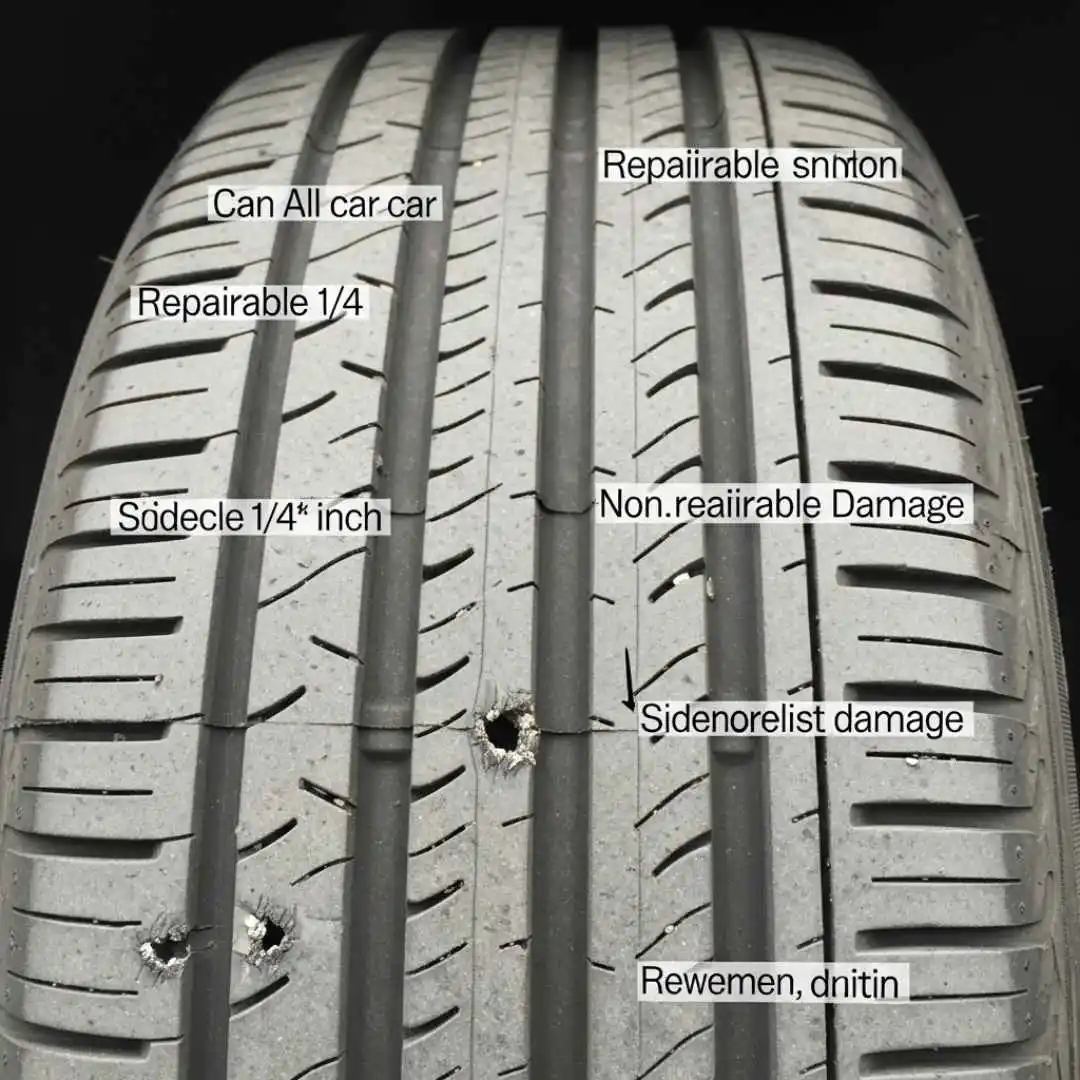
Not every tire can be repaired, and this is very important for safety. If the damage is small and located in the tread area, it can usually be fixed. A hole smaller than 1/4 inch is considered safe for repair.
But if the damage is on the side, it is called sidewall damage, and it is not repairable. Also, if the tire has multiple punctures or is too worn out, it is better to replace it.[How to Repair a Flat Car Tire] Driving on a flat tire for too long can damage its inner structure, making repair impossible.
👉 Not sure if your tire can be repaired? Contact Shahsspanadtirelube and book now at +1 (905) 805-1414.
Safety Limits You Must Know
There are strict safety rules for tire repair. Experts recommend:
- Larger holes should not be repaired
- Do not repair sidewall damage
- Do not repair worn-out tires
- Do not rely on external plugs permanently
These rules are important because a weak tire can fail suddenly while driving. Safety should always come first.
👉 Stay safe on the road—book your professional tire repair with Shahsspanadtirelube now at +1 (905) 805-1414.
Tools You Need to Repair a Car Tire
Basic DIY Repair Kit Items
If you want to fix a tire yourself, you need a few simple tools. The most important item is a tire repair kit, which usually includes a tire plug and sometimes tire sealant. The plug blocks the hole, while the sealant seals it from the inside.
You will also need an air compressor to refill the tire and a tire pressure gauge to check the air level. Tools like pliers help remove nails, and a jack helps lift the car if needed. These tools make DIY tire repair possible even for beginners.
👉 Don’t have the tools? Let Shahsspanadtirelube handle it—book now at +1 (905) 805-1414.
Step-by-Step Guide to Repair a Car Tire
Step 1 – Find the Leak
First, locate the problem. Look for nails or screws in the tire. If you can’t see it, use soapy water—bubbles will show the leak.
Step 2 – Prepare the Tire
Clean the area and remove the object carefully. Make sure the surface is ready for repair.
Step 3 – Use a Tire Plug or Sealant
Insert a tire plug into the hole or use tire sealant to seal it internally. Both methods help stop air leakage, but they are temporary.
Step 4 – Inflate the Tire
Use an air compressor to fill the tire. Check the pressure using a tire pressure gauge to ensure it is correct.
Step 5 – Test and Recheck
Drive a short distance and check again to make sure the repair is working.
👉 For a safer and long-lasting solution, book now with Shahsspanadtirelube at +1 (905) 805-1414.
Professional Tire Repair vs DIY
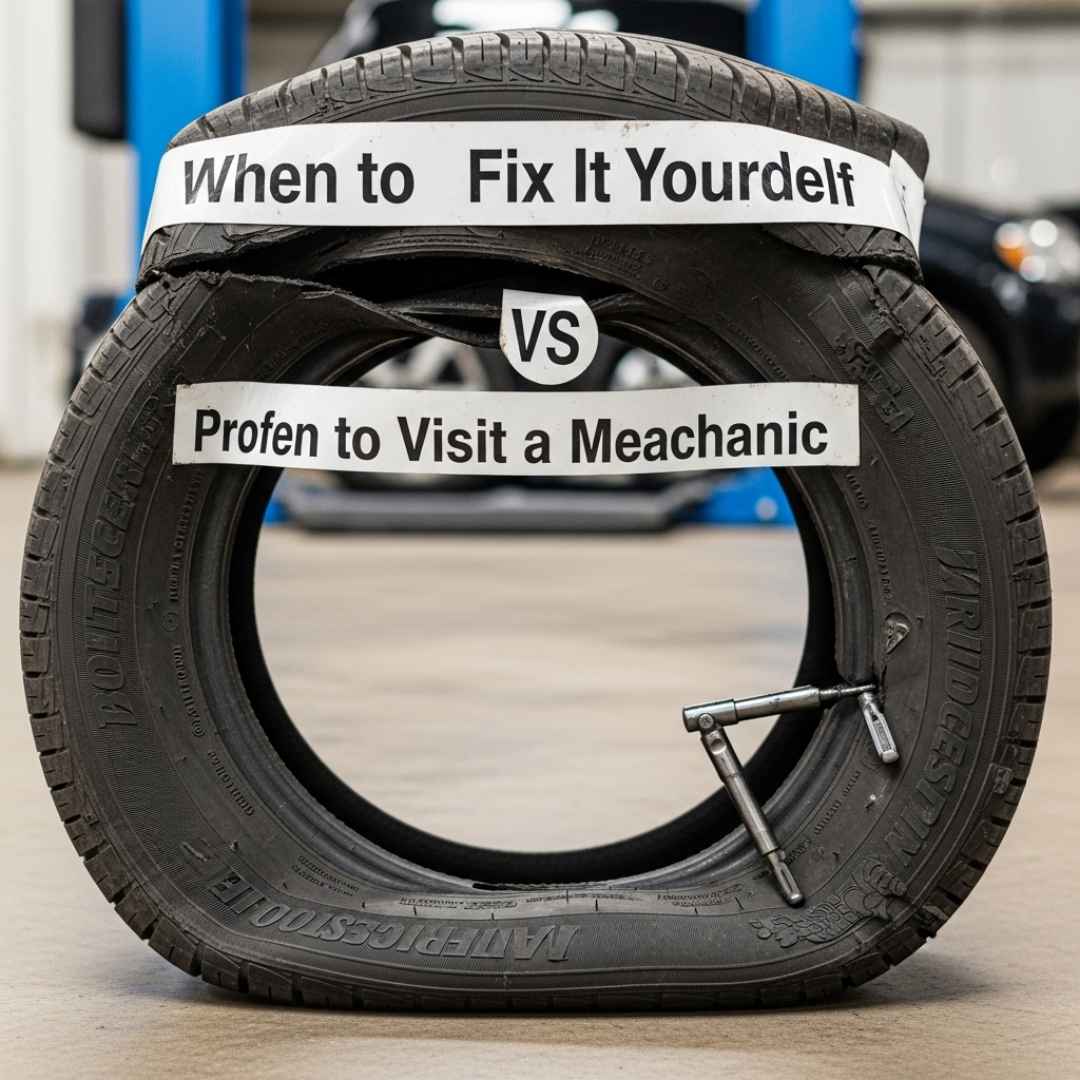
When to Fix It Yourself
DIY tire repair is useful in emergencies. It helps you reach a safe place without waiting for help.
When to Visit a Mechanic
A professional mechanic provides a permanent solution. They remove the tire, inspect it from the inside, and repair it properly. Experts from the Tire Industry Association and the National Highway Traffic Safety Administration recommend internal repairs for safety. Major brands like Michelin and Bridgestone also follow these standards.
👉 Get expert help from Shahsspanadtirelube—book now at +1 (905) 805-1414.
Real-Life Experience
One day, I was traveling with a friend when our car suddenly started pulling to one side. We stopped and found a nail stuck in the tire—a clear tire puncture. Luckily, we had a tire repair kit. We used pliers to remove the nail, inserted a tire plug, and filled the tire using an air compressor.
It worked, and we safely reached home. But the next day, we visited a mechanic who repaired it properly from the inside. That experience taught me a simple lesson—temporary fixes help you in emergencies, but professional repair keeps you safe.
👉 Don’t wait for trouble—book your tire service with Shahsspanadtirelube now at +1 (905) 805-1414.
How to Prevent Tire Damage
Maintenance Tips
Taking care of your tires can save you from problems. Always check tire pressure, avoid rough roads, and inspect your tires regularly. Rotating tires every few months also helps them last longer.
Modern systems like TPMS can warn you about low pressure before it becomes dangerous. Prevention is always better than repair.
👉 Keep your tires in top condition—book now with Shahsspanadtirelube at +1 (905) 805-1414.
Roadside Car Repair Safety
Fixing a car tire on the roadside can be risky, so you must stay safe first. Before you start any repair, park your car in a safe place away from traffic. Turn on your hazard lights so other drivers can see you clearly. If you have a warning triangle, place it behind your car to alert others. Experts like the National Highway Traffic Safety Administration say staying visible is one of the most important safety steps.
Always make sure your car is stable.[How to Repair a Flat Car Tire] Use a jack carefully and place it on a flat surface so the car doesn’t slip. If you have a tire repair kit, keep all tools like pliers, a tire plug, and an air compressor close to you so you don’t have to move around too much near traffic. Never put your hands or body under the car while it is lifted.
Important Safety Points
- Park your car away from moving traffic
- Turn on hazard lights immediately
- Use a warning triangle for visibility
- Wear bright or reflective clothing if possible
- Keep tools nearby to avoid unnecessary movement
- Use the jack on a flat and stable surface
- Never go under the car while it is lifted
- Avoid repairing tires on busy or dark roads
If the road is too busy or dark, it’s better not to fix the tire yourself. In that case, call a professional service instead of taking a risk.
👉 Stay safe and avoid danger—book roadside help now at +1 (905) 805-1414.
Real-Life Experience
One time, I saw a man trying to fix his car tire on a busy road. Cars were passing very fast, and it looked dangerous. He didn’t turn on his hazard lights, and other drivers couldn’t see him properly. Suddenly, a car came very close to him, and he had to quickly move away. It was a scary moment.
What Went Wrong (Learning Points)
- He did not turn on hazard lights
- He parked too close to traffic
- No warning sign was placed behind the car
- He tried to fix the tire in a dangerous spot
After that, another person stopped and helped him move the car to a safer place. Then they used a tire repair kit and fixed the tire carefully. This showed me something simple—your safety is more important than fixing the tire quickly. Always choose a safe place first, then repair your tire.
👉 Don’t risk your life—book safe roadside service now at +1 (905) 805-1414.
Tire Service in Bolton, Ontario
Getting a tire service in Bolton, Ontario, is very important to keep your car safe and running smoothly. Tires help your car move, stop, and stay balanced on the road. If your tire gets flat, damaged, or worn out, it can be dangerous to drive. That’s why many people choose a trusted service like Shahsspanadtirelube to fix their tire problems quickly and safely.
[How to Repair a Car Tire Puncture]Tire services include fixing a tire puncture, checking tire pressure, replacing damaged tires, and rotating tires so they last longer. Skilled workers use tools like a tire repair kit, air compressor, and tire pressure gauge to do the job properly. If there is serious damage like sidewall damage, they will suggest replacing the tire instead of repairing it.
Living in a place like Bolton, Ontario, where roads can sometimes have debris or rough patches, makes regular tire checks even more important. Good tire service helps you avoid accidents and saves money in the long run.
👉 Need fast and reliable tire service in Bolton? Book now with Shahsspanadtirelube at +1 (905) 805-1414.
Real-Life Experience
One day, a man in Bolton, Ontario, was driving to work when his car suddenly felt heavy. He noticed the car was pulling to one side. When he stopped, he saw a nail stuck in his tire—a clear tire puncture. At first, he didn’t know what to do.
Instead of taking a risk, he called Shahsspanadtirelube for help. The team arrived quickly, checked the tire, and used the right tools to fix it safely. They also checked the tire pressure and made sure everything was perfect before he continued driving.
This simple experience teaches an easy lesson—if you are not sure how to fix a tire, it’s always better to call experts. It keeps you safe and saves time.
👉 Don’t wait for trouble—book your tire service now at +1 (905) 805-1414.
How to Repair a Flat Tire on a Car with a Safe, Permanent Fix
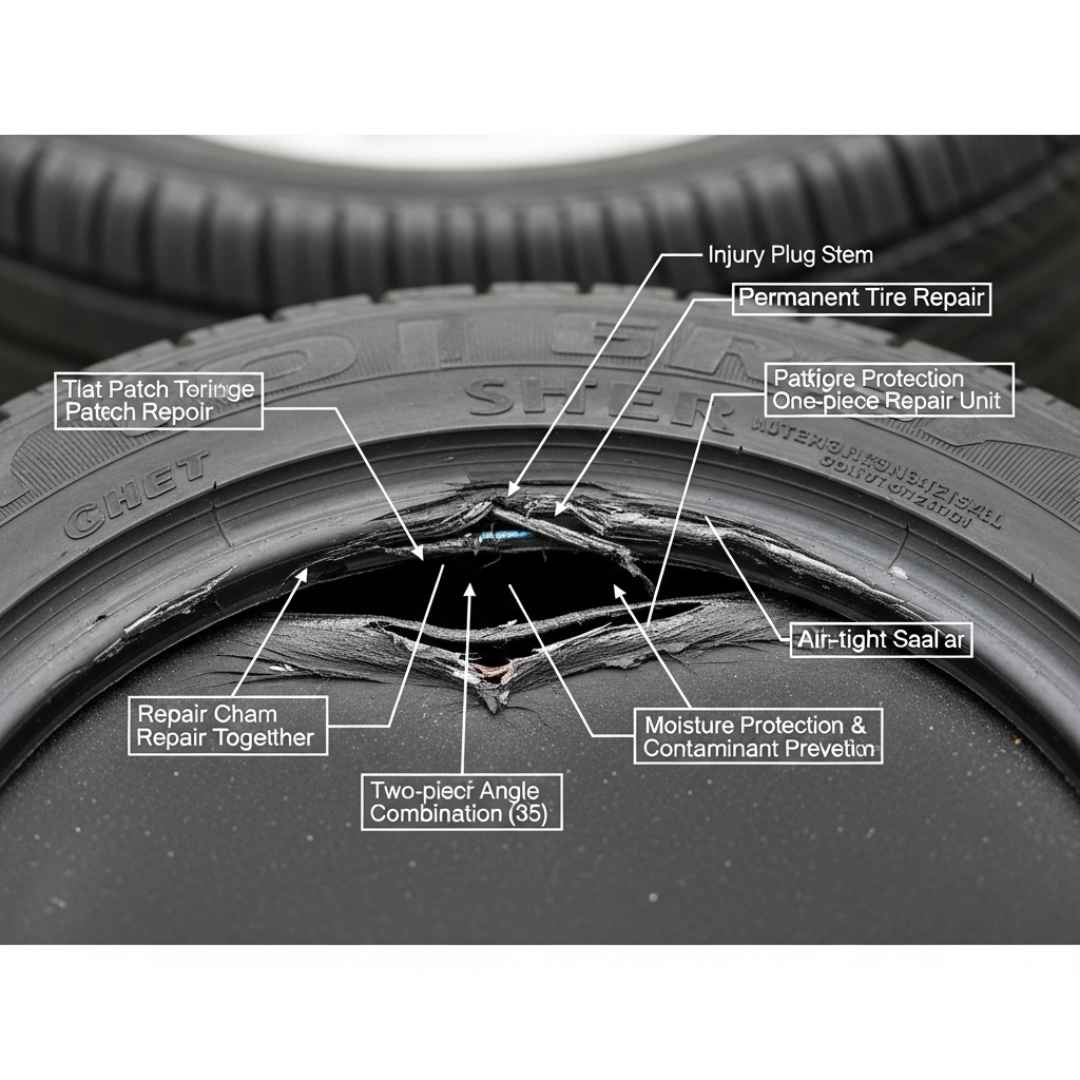
A Flat Tire or Tire Puncture happens when something sharp, like a nail, goes inside your tire. Sometimes people try a Temporary Tire Repair like a String Plug Repair, but this is not always safe for long use. A stronger and safer way is a Permanent Tire Repair, such as a Tire Patch Repair or Patch Plug Repair.
Experts recommend a Combination Repair, which uses both a Repair Stem and a Repair Patch together. This is called a Patch/Plug Unit or One-piece Repair Unit. In some cases, workers use a Two-piece Combination Repair if the damage is difficult or the Repair Angle Limitation (35 Degrees) is too high.
The damage inside the tire is called the Injury Channel. When fixing it, the goal is to create an Air-tight Seal so air does not leak out. This also gives Moisture Protection and Contaminant Prevention, so dirt and water cannot enter the tire.
The repair is done using a Chemical Vulcanizing Process (also called Cold Vulcanization), which is a Tire Bonding Process. This helps the repair become strong inside the tire. It becomes part of Internal Tire Repair, making the tire safe again.
Good Tire Safety Standards and Automotive Safety Guidelines are followed to make sure everything is safe. This includes Repair Standards Compliance, Tire Inspection Process, and Damage Assessment before fixing the tire.
Inside the tire, there is an Internal Liner Repair area where the patch sticks using strong Rubber Adhesion. Modern Sealant Technology also helps improve Leak Prevention and Air Retention, so the tire keeps proper air pressure and strength.
A proper repair improves Tire Structure Integrity, supports Tire Maintenance, and ensures Cost-effective Repair using Safe Tire Repair Methods. A professional job also improves Tire Performance Safety.
If you are not trained, it is always better to call Shahsspandtirelube for help instead of trying risky repairs.
👉 Book now with Shahsspandtirelube at +1 (905) 805-1414 for safe tire service.
What are Tire Patches? Can I Patch My Tire?
[How to Repair a Punctured Car Tire] Tire Patches are repairs that fix a puncture by sealing the hole from inside the tire, on the tire’s inner lining. Most punctures happen because of Road Debris Damage, like a Nail Puncture or Screw Puncture on the Tread Surface.
Yes, you can patch a tire, but only if it is done correctly. Proper Tire Patching is not a simple job. It needs full Tire Removal from the rim, Tire Inspection, and Damage Inspection first. Then, workers use a Die Grinder Tool for the Buffing Process, making the inner surface rough so the patch can stick.
After that, Vulcanizing Cement is applied for strong Adhesive Bonding and Patch Adhesion. A Pressure Roller Tool is used to press the patch firmly, followed by a Patch Curing Process. Finally, the tire goes through Tire Remounting and a Tire Inflation Test to ensure it is safe.
A proper patch can last a long time, giving good Tire Repair Longevity and strong Tire Structural Integrity. However, not every tire can be patched. If there is Sidewall Damage or multiple holes too close together (Repair Overlap Limitation), the tire must be replaced (Tire Replacement Requirement).
A good repair usually costs around Cost of Tire Repair ($20–$50), depending on damage and location.
Guide to Tire Patches
A correct patch repair is usually a Permanent Tire Repair, not a Temporary Tire Repair. Sometimes, professionals use a Tire Plug Patch Combo (also called Plug-Patch Combination Repair) for extra safety.
Important points:
- Only safe in Tread-only Repair Zone
- Not safe for shoulder or sidewall damage
- Requires a full Tire Safety Evaluation
- Must follow Tire Safety Standards and Tire Manufacturers’ Standards
- Final decision depends on Tire Condition Assessment
If done properly, the tire becomes safe for driving again, but a wrong repair can reduce safety and lead to a Tire Replacement Decision.
What Are Tire Plugs? Are They Reliable?
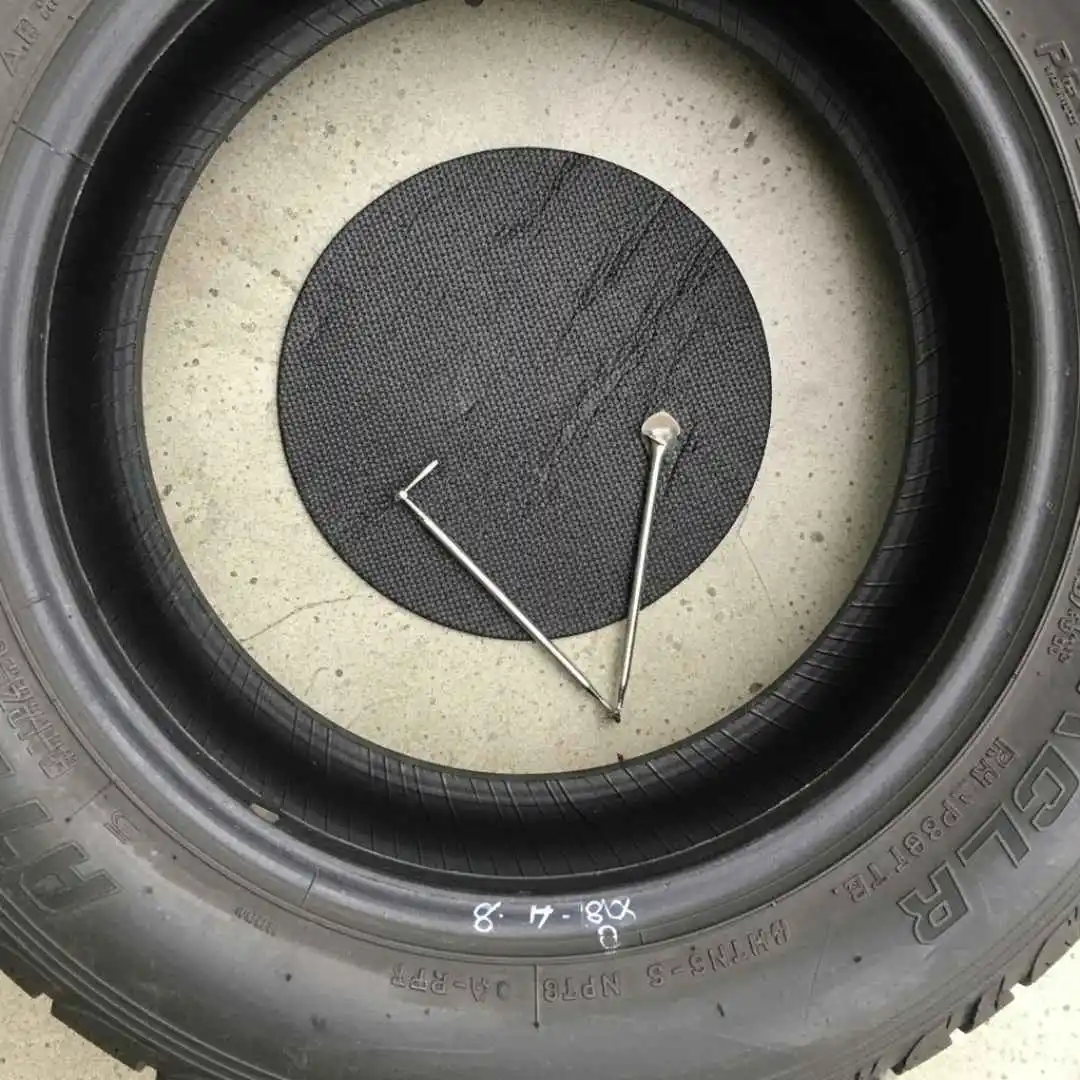
A Tire Plug is a quick repair method where a sticky rubber strip is pushed into the hole from outside the tire using a Tire Plug Kit, Insertion Tool, and Spiral Probe Tool. The strip is made of Rubber Repair String.
This method is called Tire Plugging or External Tire Plugging, and it is often used as an Emergency Tire Fix or Quick Fix Repair.
Plugs help stop air loss by improving Air Leak Prevention, but they are not as strong as patches. That’s why they are considered a Temporary Tire Repair, not a full safe solution.
According to the U.S. Tire Manufacturers Association, plugs alone are not fully approved as a permanent fix under strict Tire Safety Approval rules. They are only reliable for short-term use, depending on the damage size and location.
Guide to Tire Plugs
A tire plug can:
- Work for small holes in the tread area
- Be installed quickly without removing the tire
- Provide temporary sealing for air loss
But:
- Not safe for sidewall damage
- Not long-lasting like a patch
- Best used with a Plug-Patch Combination Repair for safety
Plugs are cheaper, usually part of Tire Maintenance Practices, but not a permanent solution for safe driving.
Real-Life Experience
[How to Repair a Flat Car Tire] One day, a driver got a flat tire on the road because of a Nail Puncture. He used a simple plug for a Quick Fix Repair, but after a few days, the tire started losing air again.
Then he visited Shahsspaandtirelube, where experts did a full Tire Inspection and Damage Inspection. They found that the tire needed a proper Plug-Patch Combination Repair instead of only plugging.
They cleaned the inside, used the Buffing Process, applied Vulcanizing Cement, and installed a proper patch for strong Patch Adhesion. After the Tire Inflation Test, the tire was safe again.
His simple lesson: quick fixes aren’t always safe. A proper repair protects your life and ensures long-term Tire Safety Standards.
👉 Don’t risk your safety—book professional tire service now with Shahsspaandtirelube at +1 (905) 805-1414.
Tire Plugs and String Repairs are Temporary Repairs
Tire Plug Repair and string repairs are quick fixes used in Tire Puncture Repair when a tire gets damaged by nails or screws. These methods only seal the hole from the outside of the tire on the Tire Tread Surface, but they do not fully fix the inside Tire Inner Liner or the full Injury Channel.
Because of this, they are only Plug-Only Repair methods and are considered temporary. They may cause Tire Air Leakage, Moisture Seepage, and even long-term Tire Structural Damage. That is why they are not a safe, permanent solution for Tire Repair Safety.
Patch-only tire repairs leave your tires Vulnerable to Damage
A Tire Patch is placed inside the tire on the inner surface after the tire buffing process and cleaning. It helps stop air loss, but a Patch-Only Tire Repair Limitation is that it does not fully seal the complete Injury Channel.
This means air or moisture can still enter, causing hidden Tire Interior Damage, Tire Cord Damage, or Tire Belt Damage over time.
Proper Adhesion Preparation is needed using tools like the Carbide Cutter Tool, Inner Liner Cleaning, and Surface Roughening. Then Vulcanizing Fluid is applied and allowed for the Adhesive Drying Process.
A patch alone is better than a plug, but still not the safest full repair method.
The Proper Tire Repair Process According to Industry Guidelines
The safest method follows a full Repair Process Steps (R.E.P.A.I.R.) system:
- Remove: Tire is removed from the rim for full inspection
- Evaluate: Full Tire Evaluation Process checks Injury Size Measurement and Injury Angle Assessment
- Prepare: Cleaning, buffing, and removing Rubber Contamination
- Apply: Vulcanizing fluid is applied for strong bonding
- Install: The patch/plug is installed using the Tire Stitcher Tool for the Patch Installation Process
- Return to Service: Tire is remounted, inflated, and balanced (Tire Remounting, Tire Inflation Process, Tire Balancing)
This full method ensures Air Trapping Prevention, a strong Rubber Sealant Layer, and correct sealing of the tire for safe driving.
This is approved under Tire Industry Standards and ensures strong Tire Reliability and proper Tire Safety Compliance.
When is it Safe to Repair Your Tire?
Not every tire can be repaired. Safety depends on:
- Repairable Area (Crown Area): Only the tread area is safe
- Tire Shoulder Damage: Not repairable
- Tire Sidewall Damage: Must replace the tire
- Puncture Size Limit (¼ inch / 6mm) for normal tires
- Heavy Duty Tire Repair Limit (3/8 inch / 10mm) for large tires
- Overall Tire Wear Condition
- Tire Casing Separation or Impact Damage means replacement
- Proper Tire Inspection Standards and Tire Maintenance Conditions are required
Final decision depends on Tire Safety Assessment. If unsafe, it leads to a Tire Replacement Decision.
Real-Life Experience
One day, a driver had a nail in his tire and used a simple Plug-Only Repair to fix it quickly. At first, the tire looked fine, but after a few days, he noticed air was slowly leaking again due to hidden Moisture Seepage and internal damage.
He went to Shahsspaandtirelube, where experts did a full Tire Evaluation Process. They checked the injury size, removed the tire, and followed the full R.E.P.A.I.R. steps.
They used proper buffing, cleaning, and a full patch installation for strong sealing. After the Return to Service process, the tire was safe again and passed all Safe Driving Conditions checks.
This taught him a simple lesson: quick fixes are not always safe, but professional repair protects your life.
👉 Stay safe—book professional tire repair now with shahsspaandtirelube at +1 (905) 805-1414.
Why Avoid Plug-Only or Patch-Only Tire Repairs
A Tire Plug Repair or Plug-Only Repair may look like a quick fix, but it is not fully safe for long-term driving. It only fills the hole from outside the tire, so it can cause Air Leakage and reduce Tire Structural Integrity.
A Patch-Only Tire Repair also has a weakness.[How to Repair a Car Tire Puncture] It covers the inside, but does not fully seal the full Tire Puncture Repair path. This can lead to hidden damage, causing Tire Integrity Compromise, Tire Performance Degradation, and even Tire Failure Risk while driving.
Both methods alone do not properly protect Tire Damage Prevention, which is why experts do not recommend them separately.
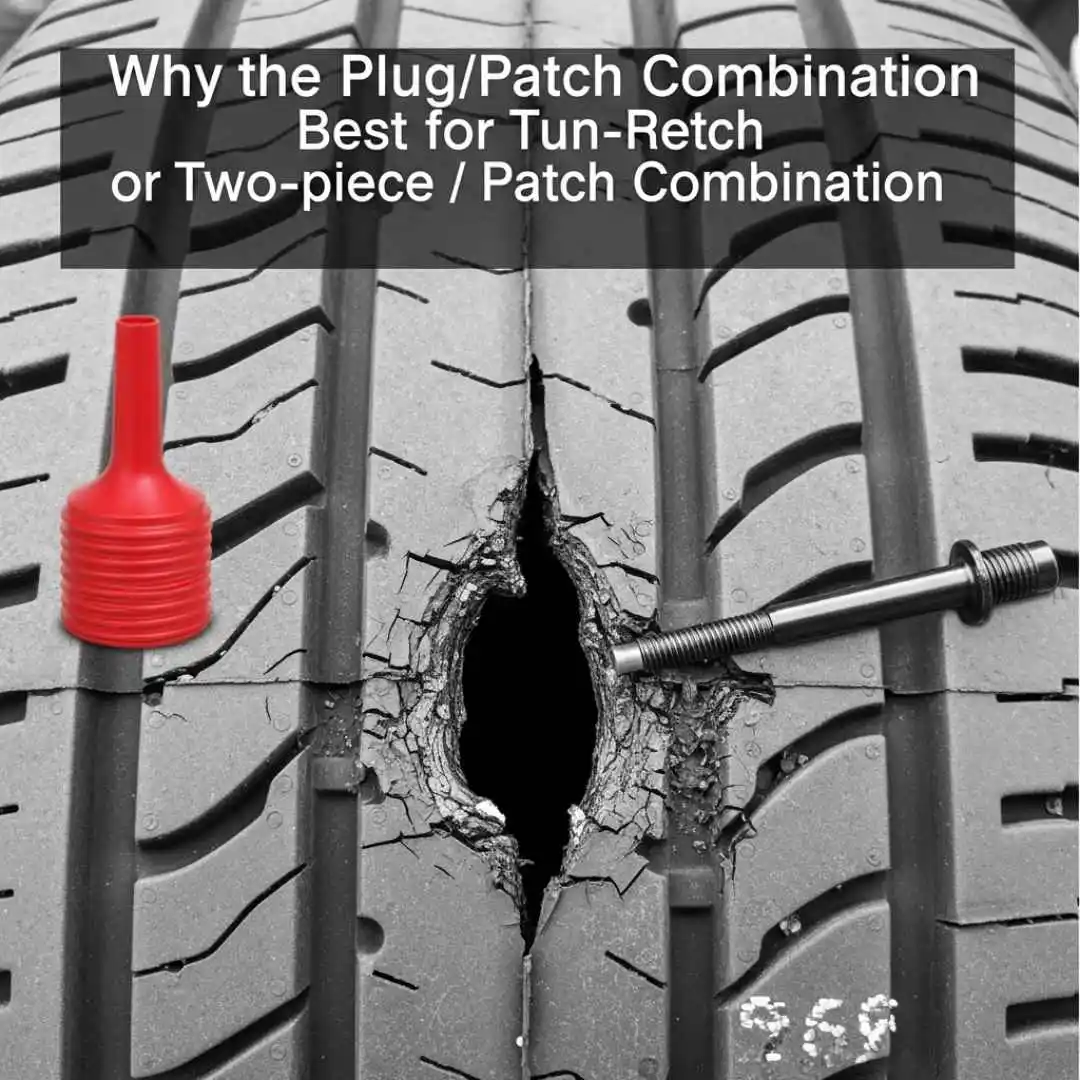
Why the Plug/Patch Combination is Best for Puncture Repairs
The safest method is the Tire Plug Patch Combination, also called One-piece Plug Patch Repair or Two-piece Plug Patch Combination.
This method fully seals the tire from inside and outside. It fills the full injury path and protects the Tire Tread Area and Tire Internal Support Cords.
It follows the Rubber Manufacturers’ Association, Tire Repair Guidelines, and Tire Repair Safety Standards. This ensures strong Tire Leak Resistance, reduces Tire Blowout Risk, and protects Vehicle Safety and Passenger Safety.
A proper repair also improves Tire Durability and maintains long-term safe driving conditions.
When a Tire Puncture Should Not Be Repaired
A tire cannot always be fixed. According to Passenger Tire Standards and Light Truck Tires rules:
- If the puncture is larger than the Puncture Size Limit (¼ inch) for passenger tires
- If damage is larger than the Light Truck Tire Repair Limit (3/8 inch)
- If there are Overlapping Repairs already
- If the tire shows a heavy Tire Wear Time Limit or aging
- If there is severe Flat Tire Driving Damage
- If there is an internal Tire Inspection Failure
- If there are Non-repairable Tire Conditions
In these cases, experts recommend Tire Replacement Requirement instead of repair.
Why Tires with Punctured Sidewalls Can’t Be Repaired
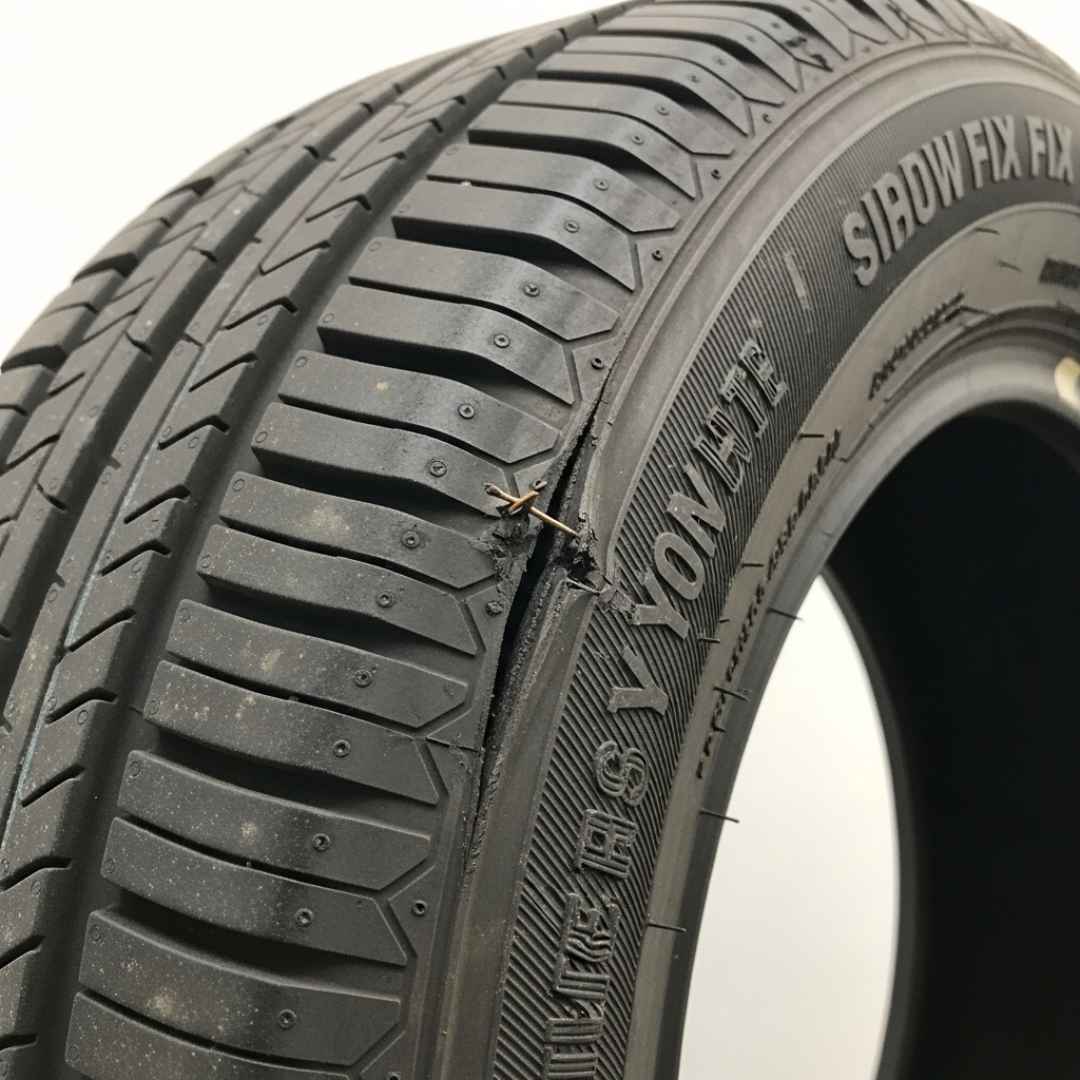
[How to Repair a Punctured Car Tire] A tire with Tire Sidewall Damage or Tire Shoulder Area Damage cannot be repaired safely.
The reason is simple: the sidewall has no strong road-contact Tire Cords like the Tire Tread Area, so a plug or patch cannot hold properly. This creates high Tire Safety Risk and can lead to sudden Tire Blowout Risk.
Even if repaired, it reduces Tire Structural Integrity, causing unsafe driving and possible accidents. That is why professionals always recommend replacement instead of repair.
Some drivers use All-terrain Tires with 3-ply Sidewall Construction for better Puncture Resistance, but even then, sidewall damage is not repairable.
Real-Life Experience
One day, a driver had a nail in his tire and used a Plug-Only Repair because it was quick. At first, it worked, but after a few days, the tire started leaking air again due to weak sealing.
He went to Shahsspaandtirelube, where experts checked the tire using full Tire Repair Safety Standards and Tire Inspection. They explained that only a Tire Plug Patch Combination is safe for long-term use.
They replaced the damaged section using proper repair tools and ensured full sealing of the tire. After that, the car became safe again with strong Road Safety Risk protection removed.
This taught him a simple lesson: quick fixes are not always safe—proper repair protects life.
👉 Don’t risk your safety—book professional tire repair now with shahsspaandtirelube at +1 (905) 805-1414.
Tire Patches vs Tire Plugs: What’s the Difference?
A Tire Plug is a quick Tire Puncture Repair method where a rubber strip is pushed into the hole from the outside using an Outside-in Repair Method. It is fast, usually a Repair Time Duration (5–10 minutes), and is used as an Emergency Tire Fix or Short-term Tire Repair. It does not require full Tire Removal Requirement, so it is cheaper, around Tire Repair Cost ($10–$20).
A Tire Patch is different because it is installed from inside the tire using an Inside-out Repair Method. It needs tire removal and takes longer, about Repair Time Duration (20–30 minutes). It gives better sealing and more Tire Durability, with a cost around Tire Repair Cost ($20–$40).
The best method is a Plug-Patch Combo, which is a Permanent Tire Repair. It uses both methods together, giving the highest Tire Safety Level, strong Tire Air Retention, and long-lasting repair. It takes Repair Time Duration (25–35 minutes) and costs Tire Repair Cost ($25–$60).
According to USTMA Tire Standards, the combo repair is the safest and most reliable method for proper Tire Repair Effectiveness and long-term safety.
Can You Fix Tire Sidewall Damage?
No, Tire Sidewall Damage or Tire Shoulder Damage cannot be repaired. The sidewall is a Tire Structural Weak Point and a high Tire Flexing Area that handles heavy Tire Pressure Stress.
Even a small Nail in a tire, Screw in a tire, or a tire cut damage in this area leads to high Tire Failure Risk. That is why experts always recommend Tire Replacement Requirement instead of repair.
Only the Tire Tread Repair Zone is safe for repair, not the sidewall.
Common Questions About Sidewall Damage
- A nail in the sidewall = not repairable
- Screw in the sidewall = must replace the tire
- Any cut in the sidewall = unsafe for repair
- Repair is only allowed in the Tire Repair Zone
Sidewall damage increases Tire Deflation Risk, reduces Tire Safety Guidelines, and makes driving unsafe.
Can You Repair a Tire with Shahsspaandtirelube?
Yes, a tire can be repaired safely by Shahsspa and tire lube, but only after a full Tire Inspection Process.
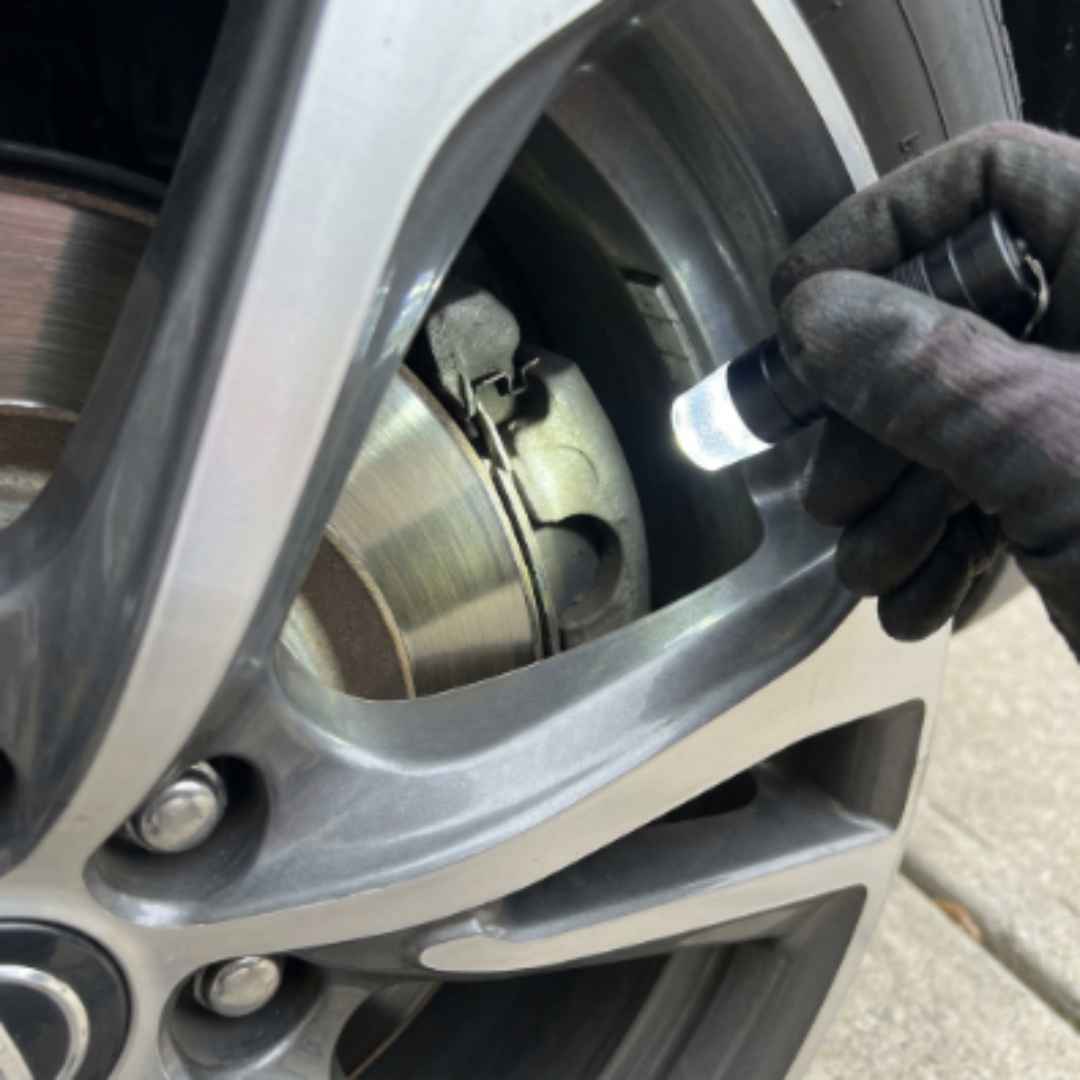
[How to Repair a Slow Leak Car Tire] Technicians first do Foreign Object Detection, Slow Leak Detection, and a Soapy Water Test to check leaks like a Rim Leak or puncture. Then they perform a full Tire Damage Assessment and Tire Safety Check.
If repairable, they use proper tools and follow Tire Repair Recommendation, ensuring safe Tire Driving Safety, proper Vehicle Safety Check, and correct Tire Maintenance Practices.
If damage is severe, they recommend replacement for safety.
Trust Shahsspaandtirelube for Tire Repair Needs
At Shahsspaandtirelube, trained Tire Technician staff provide Professional Tire Repair Service and full Tire Maintenance Service.
They focus on:
- Road Safety Inspection
- Tire Repair Decision Making
- Tire Repair Reliability
- Tire Damage Severity Assessment
- Safe Roadside Tire Safety support
- Help with Tire Emergency Handling
They ensure your vehicle passes full safety checks before returning to the road.
Real-Life Experience
One day, a driver had a Nail in a tire and tried a quick plug repair. At first, it worked, but later he faced a Slow Leak Risk and unsafe driving.
He visited Shahsspaandtirelube, where experts did a full Tire Inspection Process and found the tire needed a proper Plug-Patch Combo for safe Tire Air Retention.
They repaired it properly, checked for TPMS (Tire Pressure Monitoring System) warning, and ensured full safety before sending him back on the road.
This showed him a simple lesson: quick fixes are not always safe, but professional repair protects your life.
👉 Stay safe—book your tire service now with shahsspaandtirelube at +1 (905) 805-1414.
Frequently Asked Questions (FAQs): How to Repair a Flat Tire on a Car?
Q1.Who patches tires?
Ans. A tire professional at a tire repair shop is the best person for flat tire repair. They do a full tire inspection and check the tire condition to decide if your punctured tire needs a tire patch, tire plug, or tire replacement. This keeps your vehicle safety strong.
Q2.Is it illegal to plug or patch a tire?
Ans. No, it is not illegal. But there are industry best practices for safe puncture repair procedures. Experts like the U.S. Tire Manufacturers Association guide proper repair for better tire safety and safe driving.
Q3.Can my tire be patched? Can a flat tire be fixed?
Ans. Yes, a repairable tire can be fixed if:
The damage is in the crown area (the tread surface that touches the road contact area)
The hole is small and not deep
There are no tire wear bars showing
A tire professional confirms it after a tire damage assessment
If not, it becomes a non-repairable tire, and you need tire replacement.
Q4.What about run-flat tires? Can a run-flat tire be patched or plugged?
Ans. Some run-flat tires allow tread-only repair, but only if the structural integrity is still strong and you didn’t drive too far while flat. Always check manufacturer guidelines before any repair.
Q5.Can you plug a tire after using Fix-a-Flat?
Ans. Fix-a-Flat is an emergency tire repair product with a tire sealant used for a temporary tire fix. You can repair it later, but many shops avoid it because it affects repair reliability. It’s best used in a roadside emergency to help with tire inflation and reach a shop safely.
Q6.How much does it cost to fix a flat or plug a punctured tire?
Ans. The tire repair cost is usually low. The average repair cost is about $20–$50, making it an affordable repair compared to buying a new tire. A plug-patch combo is the safest permanent repair.
Real-Life Experience
One driver noticed a slow leak during daily vehicle maintenance. Instead of ignoring it, he went for a quick tire shop consultation. The shop found a nail in the tread surface and fixed it using a plug-patch combo. It costs less than $30 and helps improve tire durability and tire lifespan, saving money and avoiding danger.
Conclusion: How to Repair a Car Tire
A flat tire can happen anytime, but making the right repair decision is important. Always choose proper automotive service, follow proper repair procedure, and never ignore a damaged tire. Good care means better leak prevention, longer tire lifespan, and safer driving.
👉 Don’t wait for trouble—get expert help today for safe and reliable repairs.
📞 Book now: +1 (905) 805-1414




Leave a Reply